






Spanische Marken: Damen x Herren – Mode von Balenciaga, Loewe & Manolo Blahnik
Spanische Mode steht für mehr als nur Sommer und Sonne – sie verkörpert eine Haltung. Wer die großen spanischen Marken kennt, weiß: Hier trifft handwerkliche Präzision auf emotionale Ausdrucksstärke, avantgardistisches Design auf tiefe kulturelle Wurzeln. Von den kühnen Silhouetten eines Balenciaga über die lederverliebte Eleganz von Loewe bis hin zu den ikonischen Absätzen von Manolo Blahnik – Spanien hat die globale Modewelt wie kaum ein anderes Land geprägt. Dieser Guide zeigt dir, welche Marken du kennen musst, was sie so besonders macht und wie du ihren Look authentisch in deinen Alltag integrierst.
Die Geschichte spanischer Modemarken – Tradition trifft Avantgarde
Die Modelandschaft Spaniens ist erstaunlich vielfältig. Auf der einen Seite stehen Luxusmarken mit jahrzehntelanger Geschichte, auf der anderen schnelllebige Fast-Fashion-Giganten wie Zara oder Mango, die den globalen Markt revolutioniert haben. Was alle verbindet: ein ausgeprägtes Gespür für Form, Farbe und Qualität, das tief im spanischen Kulturerbe verwurzelt ist.
Kräftige Farben wie Weinrot und Safrangelb, fließende Stoffe, Volant-Details und Blumenprints – das sind die klassischen Erkennungszeichen spanischer Mode. Doch das ist nur die halbe Wahrheit. Die Couture-Häuser aus Spanien haben sich längst als globale Avantgarde-Treiber etabliert. Wer sich für internationale Modekarrieren interessiert, sollte unbedingt die Big 4 Fashion Weeks im Blick behalten – dort präsentieren spanische Labels regelmäßig ihre stärksten Kollektionen. Die Paris Fashion Week Termine und die Mailand Fashion Week Termine sind dabei besonders relevant für spanische Designerstars.
Balenciaga – Revolutionär aus dem Baskenland
Cristóbal Balenciaga gilt als der Architekt unter den Modedesignern. Sein Haus aus dem Baskenland hat mit radikalen Schnittführungen und skulpturalen Silhouetten Designgeschichte geschrieben. Heute führt Demna das Erbe fort – mit einem Mix aus Street-Culture, Ironie und hohem Handwerk, der die Modewelt spaltet und fasziniert zugleich. Balenciaga ist eine Masterclass darin, wie ein spanisches Haus globale Kulturströmungen absorbiert und transformiert. Models, die auf internationalen Laufstegen reüssieren wollen, finden in unseren Laufsteg und Catwalk Tipps wertvolle Orientierung für solche Auftritte.
Loewe – Das stille Luxushaus
Loewe ist das Leder-Genie unter den spanischen Marken. Gegründet als Lederwarenmanufaktur in Madrid, hat sich das Haus unter Kreativdirektor Jonathan Anderson zu einem der aufregendsten Luxuslabels der Welt entwickelt. Charakteristisch sind skulpturale Handtaschen, außergewöhnliche Texturen und eine tiefe Wertschätzung für Kunsthandwerk. Für Modelanwärter, die auf diesem Niveau arbeiten möchten, lohnt ein Blick auf Model werden in New York – denn Loewe ist auf den wichtigsten Märkten weltweit präsent.
Manolo Blahnik – Der König des Absatzes
Kein Schuh symbolisiert weibliche Eleganz so sehr wie ein Manolo Blahnik. Der aus Gran Canaria stammende Designer hat mit seinen handgefertigten High Heels Popkultur geschrieben. Jedes Paar ist ein Kunstobjekt – gefertigt in einer Manufaktur in Norditalien nach Entwürfen, die er bis heute selbst zeichnet. Wer träumt davon, für solche Marken zu modeln, sollte sich über Voraussetzungen Model werden informieren.
Spanische Marken im Vergleich – Damen und Herren auf einen Blick
Die spanische Modewelt bedient sowohl Damen als auch Herren mit unterschiedlichen Schwerpunkten. Nachfolgende Tabelle gibt dir einen schnellen Überblick über die wichtigsten Marken, ihre Positionierung und Zielgruppe:
| Marke | Segment | Zielgruppe | Stärke |
|---|---|---|---|
| Balenciaga | Ultra-Luxus / Avantgarde | Damen & Herren | Skulpturale Silhouetten, Street Couture |
| Loewe | Luxus / Artisan | Damen & Herren | Lederhandwerk, innovative Formen |
| Manolo Blahnik | Luxus / Footwear | Damen | Handgefertigte High Heels, Ikonik |
| Zara (Inditex) | High Street / Fast Fashion | Damen & Herren | Trend-Speed, globale Verfügbarkeit |
| Mango | Contemporary / Mid-Range | Damen & Herren | Wearable Trends, Preis-Leistung |
| Adolfo Domínguez | Premium / Nachhaltig | Damen & Herren | Minimalismus, natürliche Materialien |
Diese Bandbreite macht Spanien so einzigartig: Du findest hier sowohl zugängliche Alltagsmode als auch kompromisslosen Luxus. Ähnlich vielfältig ist übrigens die deutsche Modedesigner-Szene – ein spannender Vergleich für alle Modeinteressierten.
Style-Tipps – So trägst du spanische Mode richtig
Spanische Mode will getragen und gespürt werden – nicht nur bewundert. Dabei gibt es einige Grundregeln, die helfen, authentische Looks zu kreieren, ohne in die Kostümfalle zu tappen.
Damen-Looks mit spanischen Labels
Der klassische spanische Damen-Look lebt von Kontrasten: ein strukturiertes Loewe-Blazer-Kleid kombiniert mit flachen Espadrilles, oder ein fließendes Volantkleid gebrochen durch einen cleanen Balenciaga-Sneaker. Das Geheimnis liegt im Spannungsfeld zwischen Tradition und Moderne. Wer sich als Model für solche Editorial-Looks interessiert, findet in der Modelmappe für Casting wertvolle Hinweise, wie man solche Styles überzeugend präsentiert.
- Volants gezielt als Akzent einsetzen
- Kräftige Farben mit Nude kombinieren
- Manolo Blahnik sparsam und bewusst wählen
- Loewe-Taschen als Statement-Piece nutzen
- Layering mit strukturierten Stücken spielen
Herren-Mode aus Spanien
Spanische Herrenmode ist weniger laut, aber nicht weniger charakterstark. Loewe bietet eine der besten Herrenkollektionen im Luxussegment – mit natürlichen Materialien, weichen Silhouetten und einer fast meditativen Ästhetik. Balenciaga dagegen pusht mit Oversized-Shapes und Logo-Pieces den urbanen Streetwear-Code für Männer. Adolfo Domínguez positioniert sich mit seinem Leitspruch “La arruga es bella” (Falten sind schön) als Gegenpol zur perfektionierten Hochglanzwelt.
- Naturtöne und Erdfarben als Basis wählen
- Loewe-Leder als Qualitätsinvestment nutzen
- Balenciaga-Pieces gezielt als Statement setzen
- Iberische Proportionen: locker, aber nie schlampig
„Spanische Mode lebt von einem Widerspruch, der eigentlich keiner ist: Sie ist gleichzeitig sinnlich und präzise, leidenschaftlich und diszipliniert – genau wie das Land selbst.”
Karriere in der spanischen Modewelt – Was du wissen musst
Wer davon träumt, für spanische Luxusmarken zu modeln oder in der iberischen Modewelt Fuß zu fassen, braucht mehr als ein gutes Aussehen. Der Einstieg in die professionelle Modelkarriere ist strukturiert und erfordert Vorbereitung. Zunächst solltest du dich über die konkreten Model werden Schritte informieren. Dazu gehören Kenntnisse über Model Maße und Voraussetzungen sowie die Mindestgröße Modelagentur – denn die Anforderungen variieren je nach Segment erheblich.
Erfreulicherweise hat sich die Branche diversifiziert. Auch wer nicht den klassischen Runway-Maßen entspricht, hat heute Chancen: Informiere dich über Curvy Model werden und Model werden große Größen. Spezialisierte Agenturen wie eine Modelagentur ohne Mindestgröße öffnen Türen, die früher verschlossen schienen.
Für den praktischen Einstieg sind folgende Schritte entscheidend: Ein gutes Casting vorbereiten ist die Basis. Agenturen in deiner Nähe zu finden – ob Modelagentur Berlin, Modelagentur Hamburg oder Model werden Frankfurt – vereinfacht den Start. Internationale Optionen wie Model werden in London sind für Fortgeschrittene spannend. Wer wissen möchte, was am Ende finanziell drin ist, findet die Antwort unter Was verdient ein Model?
Spanische Marken als Karriere-Sprungbrett
Wer ein Casting bei CM Models erfolgreich meistert, kann schnell in internationale Editorial-Produktionen für Marken wie Loewe oder Balenciaga aufsteigen. Wichtig dabei: eine professionelle Modelmappe für Casting und der Blick auf seriöse Modelagentur-Kriterien. Finger weg von Agenturen, die vorab Gebühren verlangen – mehr dazu unter Modelagentur Geld bezahlen? und Modelagentur ohne Gebühren.
Für alle, die zunächst nebenberuflich starten möchten: Modeln nebenberuflich ist ein realistischer Weg, um erste Erfahrungen zu sammeln und ein Portfolio aufzubauen, das für spanische Modeproduktionen relevant ist.
Spanische Mode shoppen – Checkliste für deinen ersten Kauf
Bevor du in spanische Designermode investierst, solltest du folgende Punkte durchgehen:
- ☐ Budget definieren: Luxus vs. High Street?
- ☐ Authentizität prüfen – nur autorisierte Händler
- ☐ Größentabellen beachten (spanische Größen weichen ab)
- ☐ Pflegehinweise für Loewe-Leder vorab lesen
- ☐ Saison-Kollektionen vs. Klassiker abwägen
- ☐ Kombinations-Potenzial mit vorhandenem Kleiderschrank prüfen
- ☐ Rückgaberecht und Garantiebedingungen klären
Häufige Fragen zu spanischen Modemarken
Ist Balenciaga wirklich noch eine spanische Marke?
Balenciaga wurde im Baskenland gegründet und trägt spanische DNA in seiner DNA – heute gehört das Haus zur Kering-Gruppe und hat seinen Sitz in Paris. Die kreative Leitung liegt bei Demna, der die avantgardistische Vision des Hauses konsequent weiterentwickelt. Die spanischen Wurzeln sind kulturell präsent, auch wenn das operative Business längst international aufgestellt ist.
Welche spanische Marke eignet sich für einen Einstieg?
Für einen erschwinglichen Einstieg in den spanischen Look bieten sich Zara und Mango an – beide aus Spanien stammend, beide mit ausgeprägtem Trendgespür. Wer direkt in den Luxusbereich einsteigen möchte, beginnt am besten mit einem klassischen Loewe-Accessoire oder einem zeitlosen Balenciaga-Piece, das Saison-übergreifend tragbar bleibt.
Wie unterscheidet sich Loewe von anderen Luxuslabels?
Loewe setzt konsequent auf Handwerk, Materialität und eine gewisse intellektuelle Distanz zum schnellen Trend. Das Haus arbeitet mit Künstlern zusammen, produziert limitierte Handwerks-Editionen und behandelt Mode als kulturellen Ausdruck – weniger als Statussymbol. Das macht Loewe zu einem der “Quiet Luxury”-Labels mit dem stärksten kreativen Profil weltweit.
Kann man als Model speziell für spanische Marken arbeiten?
Ja – spanische Luxuslabels wie Loewe und Balenciaga buchen für internationale Kampagnen weltweit über renommierte Agenturen. Ein starkes Portfolio, professionelle Agenturanbindung und idealerweise Erfahrung auf internationalen Laufstegen sind entscheidend. Wer sich konkret bewerben möchte, kann direkt jetzt bewerben und den ersten Schritt machen. Auch ein Überblick über die Top 10 Modelagenturen hilft bei der richtigen Agenturwahl.
Als eine der führenden Modelagenturen in Deutschland arbeitet CM Models regelmäßig mit den bekanntesten Modemarken und deren Kampagnen zusammen. Du möchtest selbst Model werden oder ein Model für deine nächste Kampagne buchen? Jetzt kostenlos bewerben.
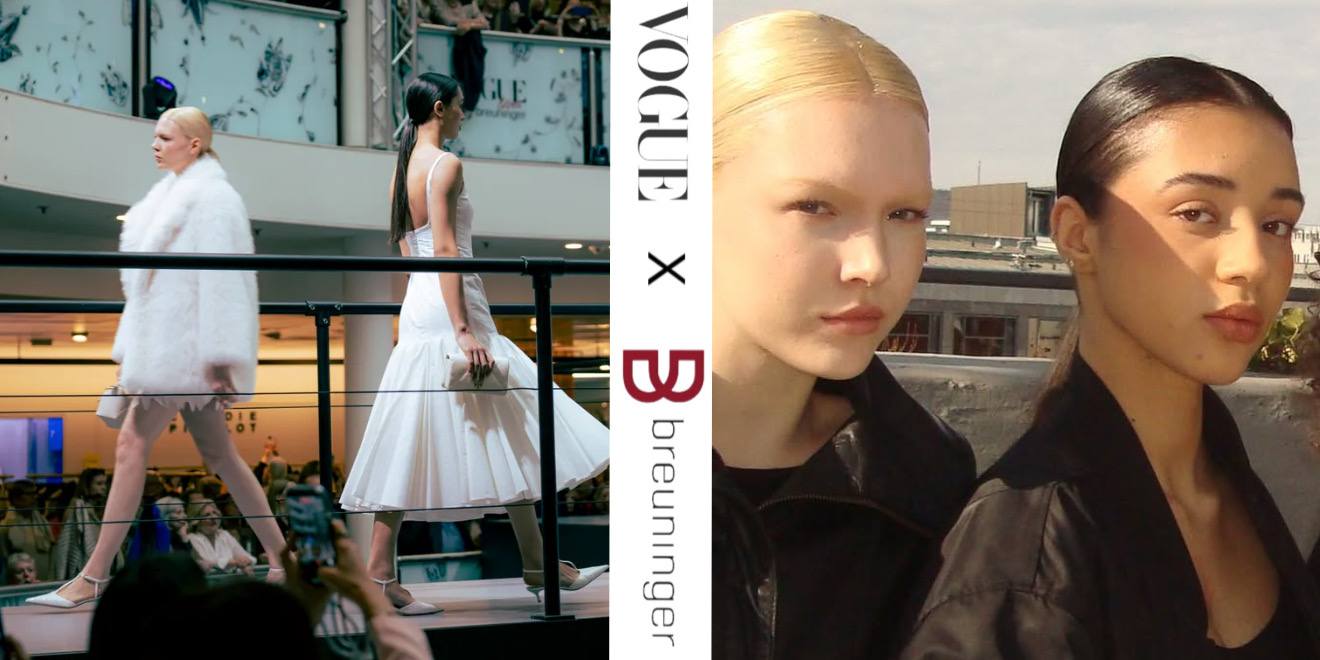
Runway Debut: Ariane and Luisa for Vogue x Breuninger
Vivienne Westwood Videos: Eleganz und Punk vereint

Medienagentur: Foto, Video, Modenschau + Social Media

Branding Agentur: Identität, Werte, Strategie, Werbung - Aufgaben
Philipp Plein: Luxusmarke, Designer & Geschichte
Gant: Lifestyle-Marke, Sportmode, Düfte & Home-Collection