Endurance – Training and Workouts for Women: Dancing & Cardio
Endurance is the foundation for everything – for a healthy heart, a clear mind, and a sense of body that radiates from within. Whether you’re just starting out with training or want to take your routine to the next level: The combination of dancing and classic cardio is one of the most effective and simultaneously motivating methods for women to stay fit in the long term. No gym required, no expensive equipment – just you, your body, and the right strategy.
Why endurance training is especially effective for women
Endurance training not only affects physical fitness but also regulates hormones, improves sleep, and has been proven to increase mental resilience. Regular cardio training is particularly beneficial for women: it strengthens the cardiovascular system without building excessive muscle mass – a common misconception that keeps many from training.
The reasons to start endurance sports are as varied as the women themselves. Many want to lose weight and boost their metabolism, while others seek mental balance after a stressful workday. Others simply want to look good in their favorite jeans – or show their best side at a casting at CM Models. Because fit people radiate energy that is visible in every photo.
Understanding Cardio and Fat Metabolism
Many women train too intensely and burn mainly carbohydrates instead of fat. The so-called fat-burning zone is around 60–70 % of maximum heart rate. In this range, the body learns to efficiently use fat reserves. Those who want to lose weight or maintain their weight in the long term benefit more from moderate, longer sessions than from short high-intensity sprints – although HIIT also has its place.
Hormonal System and Training
Women react more strongly to hormonal fluctuations than men. During certain phases of the menstrual cycle, intense exertion can be more challenging. This is not a sign of weakness, but simply biology. Those who understand this plan their training more wisely: In the first half of the cycle, more intense sessions can be performed, while in the second half, yoga-cardio combinations or moderate dancing are more suitable.
“The best sport is the one you actually do – not the one you imagine doing. Dancing is cardio with soul, and that’s exactly what keeps women engaged in the long run.”
Dancing as an underestimated cardio workout
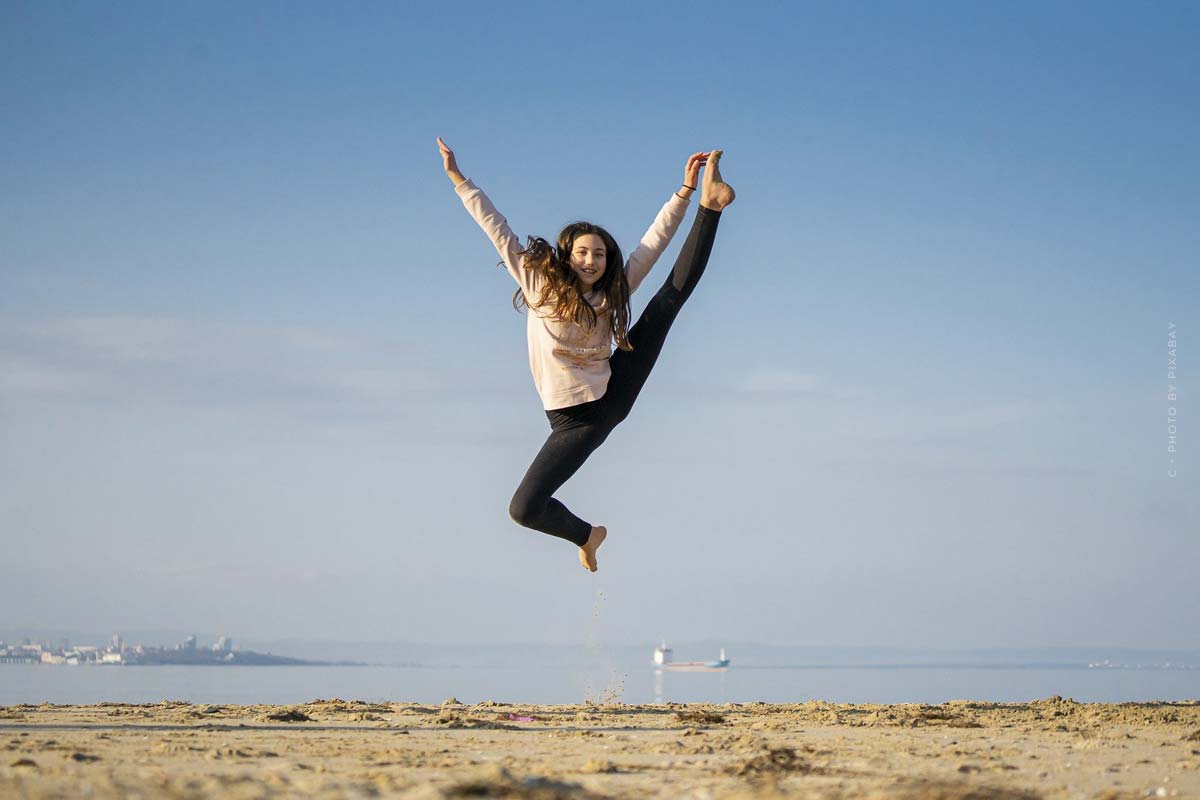
Dancing is often underestimated – yet it is one of the most complete endurance trainings available. An hour of Zumba or Latin dance burns between 400 and 600 calories, while simultaneously training coordination, balance, and body awareness. Those who dance regularly develop a natural elegance in movement – a quality that is also crucial on the runway and catwalk.
The best dance styles for endurance
Not every dance style trains endurance equally effectively. Here’s the rule: The more continuous the movement and the fewer breaks, the greater the cardio effect.
- Zumba – high intensity, lots of fun
- Latin Dance – hips, core, endurance
- Afro-Dance – holistic and rhythmic
- Dance Cardio (Online workouts)
- Jazzercise – classic with effect
- K-Pop Dance Workout – trendy, effective
Dance Cardio videos are particularly well suited for home training. Many platforms offer free courses that you can do anytime – in the morning living room or in the evening after work. Especially for women who have a flexible schedule – for example, if they model part-time – this is a clear advantage.
Dancing as mental training
Musik and movement activate the reward system in the brain. Dopamine is released, stress hormones decrease. This makes dancing one of the most effective methods against mental exhaustion. After 20 minutes of intense dancing, most women feel clear-headed and energized – comparable to a 40-minute run, but with much more joy.
Cardio training at home and outdoors: What fits when?
Endurance training doesn’t need a gym. Whether running in the park, cycling in the countryside or a workout in the living room – what matters is consistency. Those who enjoy being outdoors will find ideal opportunities in running, hiking or cycling. Those who prefer to stay at home have excellent alternatives with jump rope, step aerobics or dance workouts.
Indoor cardio exercises without equipment
- Jumping Jacks – 3 × 60 seconds
- High Knees – quickly increase the pulse
- Burpees – full-body classic
- Mountain Climbers – core and cardio
- Jump rope (real or imaginary)
- Step-touch with arm movement
These exercises can be combined into a simple HIIT circuit: 40 seconds of work, 20 seconds of rest, 6–8 exercises, 3–4 rounds. That’s enough for a complete 25-minute workout.
Training Plan Comparison: Outdoor vs. Indoor
| Category | Outdoor Training | Indoor Training |
|---|---|---|
| Motivation | Fresh air, variety | Always available, weatherproof |
| Calorie Burn | Slightly higher (wind, terrain) | Well controllable with HIIT |
| Equipment | Running shoes, bike | Hardly necessary |
| Flexibility | Weather dependent | Always possible |
| Social Experience | Running groups, classes | Online community |
| Suitable for | Running, walking, cycling | Dancing, HIIT, aerobics |
This is how you build a sustainable endurance program
The biggest mistake in endurance training is doing too much too soon. Those who start with daily HIIT sessions without prior training risk overexertion, injuries, and quick demotivation. Smart progression is key – for beginners as well as for advanced individuals who want to restructure their training.
Women who are active in the modeling business and, for example, have the New York Fashion Week, the Paris Fashion Week or the Fashion Week Berlin on their calendar know: Good endurance training is not a matter of vanity, but of professional preparation. Those who are on their feet for hours, doing photoshoots and shows, need real fitness.
Keep the following principles in mind when building your program:
- Start with 3 sessions per week
- Each 20–30 minutes at the beginning
- Increase weekly by a maximum of 10%
- Variety: dance, running, HIIT rotate
- At least 1 rest day per week
Your Endurance Checklist for Getting Started
- ☐ Get sports shoes with good cushioning
- ☐ Write down your training goal
- ☐ Create and fill in a weekly plan
- ☐ First session: 20 minutes of light cardio
- ☐ Monitor your heart rate during training
- ☐ Hydration: 1.5–2 liters of water daily
- ☐ Evaluate progress after 4 weeks
- ☐ Try a dance class or an online video
Those who approach their training in a structured way will notice noticeable improvements in stamina, energy, and well-being after just a few weeks. And those who are also working on their career – for example as a Curvy Model or as a model in a large size – benefit twice as much: fitness and self-confidence grow together.
Models who want to apply to a model agency in Berlin or a model agency in Hamburg should also understand physical fitness as part of their professional preparation – just like preparing for a casting or putting together a model portfolio for the casting. Those who are fit appear more present, confident, and professional.
Further information about the requirements can be found under Requirements to Become a Model as well as in our guide to Steps to Become a Model. Those who want to apply directly can do so easily through our Apply Now form.
Frequently Asked Questions About Endurance Training for Women
How often per week should I do cardio as a beginner?
As a beginner, three sessions per week are completely sufficient. It’s important to give your body time to recover. Start with 20–25 minutes per session and gradually increase. After just 4 weeks, you will already feel noticeable improvements in your endurance.
Is dancing really as effective as jogging?
Yes – under certain conditions, it can even be more effective. Intensive dancing such as Zumba or Dance Cardio reaches comparable heart rates to a light to moderate run. The decisive advantage: Most women stay engaged longer with dancing because it’s fun. Long-term consistency beats short high-performance phases.
Can I do endurance training without losing weight?
Absolutely. Endurance training improves heart health, sleep quality, mood, and metabolism – regardless of weight. If you don’t want to lose weight, simply adjust your calorie intake to match your increased expenditure. Training without weight loss is a completely legitimate and healthy choice.
How can I combine dancing and classic cardio effectively?
A proven combination is: two running or cycling sessions per week for building a solid aerobic base and one to two dance sessions for coordination, fun, and mental recovery. This alternating principle prevents monotony and trains the body from different angles – ideal for sustainable fitness without hitting a plateau.

New Balance: Marke, Sneaker & Sportmode für Damen und Herren

Under Armour: Hochwertige Sportbekleidung, Projekt Rock & Laufschuhe

Körperpflege: Routine, Tipps & attraktiver Aussehen

Männerpflegetipps: Gesichtspflege, Bartpflege, Haarpflege und mehr
Dehnen: Dehnroutine, tägliches Dehnen & Yoga

Zumba: Workouts, Zumba Class & Tanzen