Dehnen: Dehnroutine, tägliches Dehnen & Yoga
Wer regelmäßig dehnt, schläft besser, bewegt sich geschmeidiger und hat weniger Schmerzen – und trotzdem ist Stretching das am meisten vernachlässigte Element jeder Fitnessroutine. Dabei braucht eine wirkungsvolle Dehnroutine nicht einmal zehn Minuten am Tag. Dieser Artikel zeigt dir, wie du Dehnen richtig in deinen Alltag integrierst, welche Methoden wirklich funktionieren und warum Yoga dabei eine besondere Rolle spielt.
Was Dehnen wirklich mit deinem Körper macht
Dehnen ist weit mehr als das kurze Ausschütteln der Beine nach dem Joggen. Beim Stretching werden Muskelfasern, Sehnen und Bänder gezielt unter Längenspannung gebracht. Das führt kurzfristig zu erhöhter Durchblutung und mittelfristig zu mehr Beweglichkeit – einem Faktor, der für Koordination, Verletzungsschutz und sportliche Leistung gleichermaßen entscheidend ist.
Wissenschaftlich belegt ist außerdem, dass regelmäßiges Dehnen die Aktivität des parasympathischen Nervensystems fördert. Der Körper schaltet messbar in einen Erholungsmodus. Das erklärt, warum eine abendliche Dehnroutine vielen Menschen zu tieferem Schlaf verhilft. Wer nebenbei über eine Karriere als Model nachdenkt, sollte wissen: Körperhaltung und Beweglichkeit gehören zu den ersten Dingen, die bei einem Casting bei CM Models auffallen. Auch beim Casting vorbereiten spielt körperliche Präsenz eine Hauptrolle.
Statisches vs. dynamisches Dehnen
Nicht jede Dehnmethode passt zu jedem Moment. Die wichtigste Unterscheidung ist die zwischen statischem und dynamischem Stretching.
- Statisch: Position halten (20–60 Sekunden)
- Dynamisch: Bewegung durch den Bewegungsradius
- PNF: Anspannen, loslassen, weiter dehnen
- Passiv: Gewicht oder Partner nutzen
- Aktiv: Eigene Muskelkraft hält die Position
Dynamisches Dehnen eignet sich ideal als Aufwärmroutine vor dem Training, weil es die Muskulatur aktiviert, ohne die Kraft kurzfristig zu reduzieren. Statisches Dehnen entfaltet seine Wirkung nach dem Training oder als eigenständige Abendeinheit.
„Beweglichkeit ist keine Gabe – sie ist das Ergebnis von Konsequenz. Wer täglich fünf Minuten dehnt, überholt in sechs Monaten jeden, der einmal pro Woche eine Stunde stretcht.”
Deine tägliche Dehnroutine – so baust du sie auf
Eine nachhaltige Dehnroutine braucht Struktur. Wer einfach drauflosdehnt, verliert schnell die Motivation oder dehnt immer dieselben Körperstellen, während andere vernachlässigt werden. Die folgende Tabelle gibt dir einen Überblick, wie eine ausgewogene Tagesroutine aussehen kann:
| Tageszeit | Methode | Dauer | Fokus |
|---|---|---|---|
| Morgens | Dynamisch | 5 Minuten | Wirbelsäule, Hüfte, Schultern |
| Mittags | Aktiv-statisch | 3–5 Minuten | Nacken, Brust, Unterarme |
| Nach Sport | Statisch | 10–15 Minuten | Trainierte Muskelgruppen |
| Abends | Passiv/Yoga | 10–20 Minuten | Gesamtkörper, Entspannung |
Die 5-Minuten-Morgenroutine im Detail
Gerade morgens ist Konsequenz entscheidend. Eine Routine, die länger als fünf Minuten dauert, wird mittelfristig nicht durchgehalten. Diese Sequenz ist so konzipiert, dass sie direkt nach dem Aufstehen funktioniert – noch bevor du den ersten Kaffee trinkst:
- Katzenbuckel & Kuhpose: 10 Wiederholungen
- Hüftkreisen im Vierfüßler: je 8 pro Seite
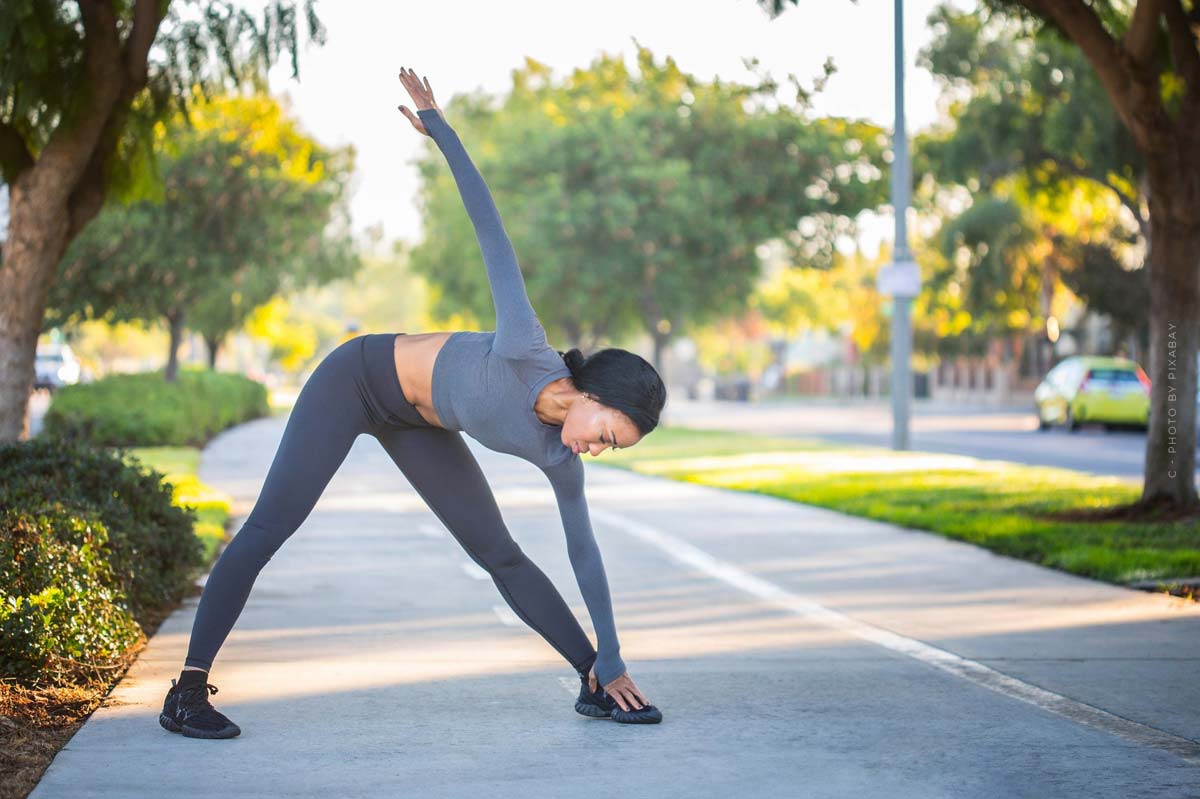
- Taucher-Streckung: 30 Sekunden halten
- Stehende Vorwärtsbeuge: 45 Sekunden
- Schulterkreisen mit Armen: 10 Wiederholungen
Diese Sequenz dauert exakt fünf Minuten und mobilisiert die wichtigsten Gelenke für den Tag. Wer als Model arbeitet oder eine Karriere anstrebt, findet auf Seiten wie Laufsteg und Catwalk Tipps weitere Hinweise, wie Beweglichkeit direkt die berufliche Performance beeinflusst.
Hüftöffner – die unterschätzte Königsdisziplin
Die Hüfte ist das zentrale Gelenk des menschlichen Körpers. Verkürzte Hüftbeuger – ein klassisches Problem bei Menschen mit viel Sitzalltag – beeinflussen Haltung, Rückenschmerzen und sogar das Gangbild. Hüftöffnende Übungen wie die Taube aus dem Yoga, der Schmetterling oder tiefe Ausfallschritte sind deshalb kein optionales Extra, sondern gehören in jede ernsthafte Dehnroutine.
Yoga als Dehnprogramm – mehr als nur Flexibilität
Yoga ist systematisiertes Dehnen mit einer langen Tradition. Was Yoga von reinem Stretching unterscheidet, ist die Verbindung von Beweglichkeit, Atemkontrolle und Körperwahrnehmung. Das macht es besonders effektiv für alle, die nicht nur geschmeidiger werden wollen, sondern auch Stress abbauen und die Körperhaltung verbessern möchten.
Für Models und alle, die sich in der Mode- und Medienbranche bewegen, ist Yoga aus einem weiteren Grund interessant: Es schärft das Bewusstsein für den eigenen Körper, eine Eigenschaft, die bei Modelmappe für Casting und bei Live-Aufttritten unmittelbar sichtbar wird. Wer sich etwa bei einer Fashion Week Berlin oder einer New York Fashion Week bewirbt, profitiert von dieser körperlichen Präsenz enorm.
Yoga-Posen speziell für Einsteiger
Yoga muss nicht kompliziert beginnen. Diese Posen sind ideal für alle, die noch keine Yoga-Erfahrung haben und trotzdem sofort mit wirkungsvollem Dehnen starten wollen:
- Kindpose: Rücken und Hüfte öffnen
- Herabschauender Hund: Beine und Schultern
- Krieger I & II: Hüftbeuger und Oberschenkel
- Sitzende Vorwärtsbeuge: Hamstrings tief
- Liegende Drehung: Wirbelsäulenmobilität
Mit diesen fünf Posen deckst du die wichtigsten Muskelgruppen des Körpers ab. Kombinierst du sie mit der Morgenroutine aus dem vorherigen Abschnitt, hast du ein vollständiges 15-Minuten-Programm für den ganzen Körper.
Atemtechnik macht den Unterschied
Der häufigste Fehler beim Dehnen – egal ob mit oder ohne Yoga – ist angehaltene Luft. Wer in eine Dehnung hineinatmet, kann sich um 10 bis 15 Prozent weiter strecken als jemand, der die Luft anhält. Die Technik: Beim Einatmen Position halten, beim langen Ausatmen tiefer in die Dehnung gleiten. Diese simple Anpassung macht sofort einen spürbaren Unterschied.
Dehnen für Models und körperbewusste Berufe
Körperliche Flexibilität ist in der Modewelt kein Nebenthema. Gute Haltung, geschmeidige Bewegungen und ein sicheres Auftreten entstehen nicht zufällig – sie sind das Ergebnis konsequenter Körperpflege, zu der regelmäßiges Dehnen gehört. Wer die Voraussetzungen Model werden erfüllen möchte, sollte Stretching als festen Bestandteil seiner Vorbereitung betrachten.
Ob du dich bei einer Modelagentur Berlin, einer Modelagentur Hamburg oder bei Model werden Frankfurt bewirbst – überall zählt das Gesamtbild. Dazu gehören auch die Model Maße und Voraussetzungen, die je nach Agentur unterschiedlich bewertet werden. Wer sich fragt, ob die eigene Körpergröße ein Hindernis ist, findet Antworten bei Mindestgröße Modelagentur oder bei Modelagentur ohne Mindestgröße.
Auch Curvy Model werden ist ein wachsender Bereich, in dem Körperbewusstsein und Beweglichkeit wichtige Rollen spielen. Wer Modeln nebenberuflich betreibt, profitiert besonders von einer kurzen täglichen Dehnroutine, da sie sich problemlos in einen vollen Alltag integrieren lässt.
Checkliste: Dein Start in die tägliche Dehnroutine
- ☐ Feste Uhrzeit für Dehnen festlegen
- ☐ Matte oder freie Fläche vorbereiten
- ☐ Morgenroutine (5 Min.) einführen
- ☐ Abendliche Yoga-Einheit (10 Min.) planen
- ☐ Atemtechnik beim Dehnen üben
- ☐ Hüftöffner täglich einbauen
- ☐ Fortschritt nach 4 Wochen messen
- ☐ Bewerbung bei Jetzt bewerben einreichen
Häufige Fragen zum Thema Dehnen
Wie lange sollte ich eine Dehnposition halten?
Für statisches Dehnen gilt: mindestens 20, idealerweise 30 bis 60 Sekunden pro Position. Kürzer ist kaum wirksam, da das Bindegewebe eine gewisse Zeit braucht, um sich anzupassen. Bei der PNF-Methode reichen 6–10 Sekunden Anspannung, gefolgt von 20–30 Sekunden passivem Dehnen.
Sollte ich vor oder nach dem Sport dehnen?
Dynamisches Dehnen gehört vor das Training, statisches Dehnen danach. Intensives statisches Stretching vor dem Training kann die Muskelkraft kurzfristig reduzieren und das Verletzungsrisiko erhöhen. Nach dem Training dagegen hilft Dehnen, die Regeneration zu beschleunigen und Muskelkater zu reduzieren.
Wie schnell sieht man Ergebnisse beim regelmäßigen Dehnen?
Bei täglichem Dehnen sind nach zwei bis vier Wochen erste spürbare Verbesserungen der Beweglichkeit messbar. Deutliche Fortschritte – etwa die Fähigkeit, mit geraden Beinen den Boden zu berühren – zeigen sich nach zwei bis drei Monaten konsequenter Praxis. Wer zusätzlich Yoga integriert, erzielt meist schnellere Resultate.
Ist Dehnen auch für Models beruflich relevant?
Absolut. Gute Körperhaltung, geschmeidige Bewegungen und eine starke Bühnenpräsenz entstehen durch regelmäßige Dehnarbeit. Wer die Model werden Schritte konsequent verfolgt und sich über seriöse Modelagentur Kriterien informiert, sollte Beweglichkeitstraining als Teil der professionellen Vorbereitung betrachten. Wer außerdem wissen möchte, was verdient ein Model, findet dort auch Hinweise darauf, wie Professionalität das Einkommen beeinflusst.
Max Mara Videos: Modenschauen, Interviews & Werbespots

Chanel Frühjahr / Sommer Mode 2023: Klassisch, Chick - Fashion Week Paris

Jacob & Co: Uhren und Schmuck - Von Diamanten bis Leder

Vivienne Westwood: Marke, Designerin & Luxusmode - Punks mit Stil
Goyard: Marke, Taschen, Traditionen - Luxus der Extraklasse

Brioni: Marke, Designer, Prestige - Der Luxusanzug der Stars