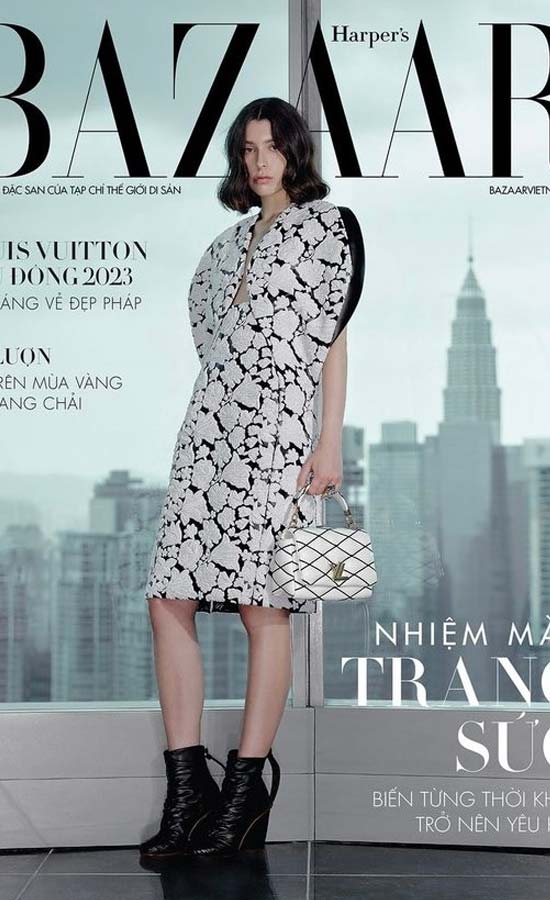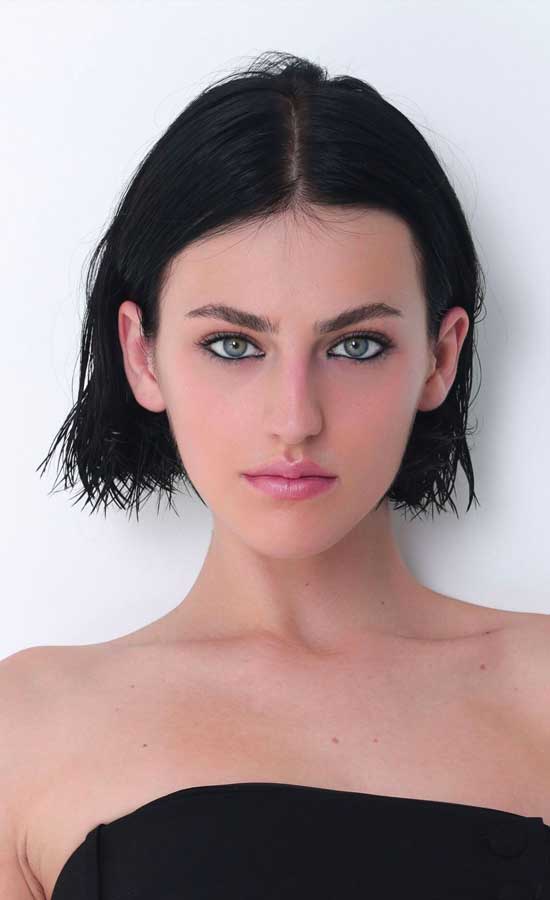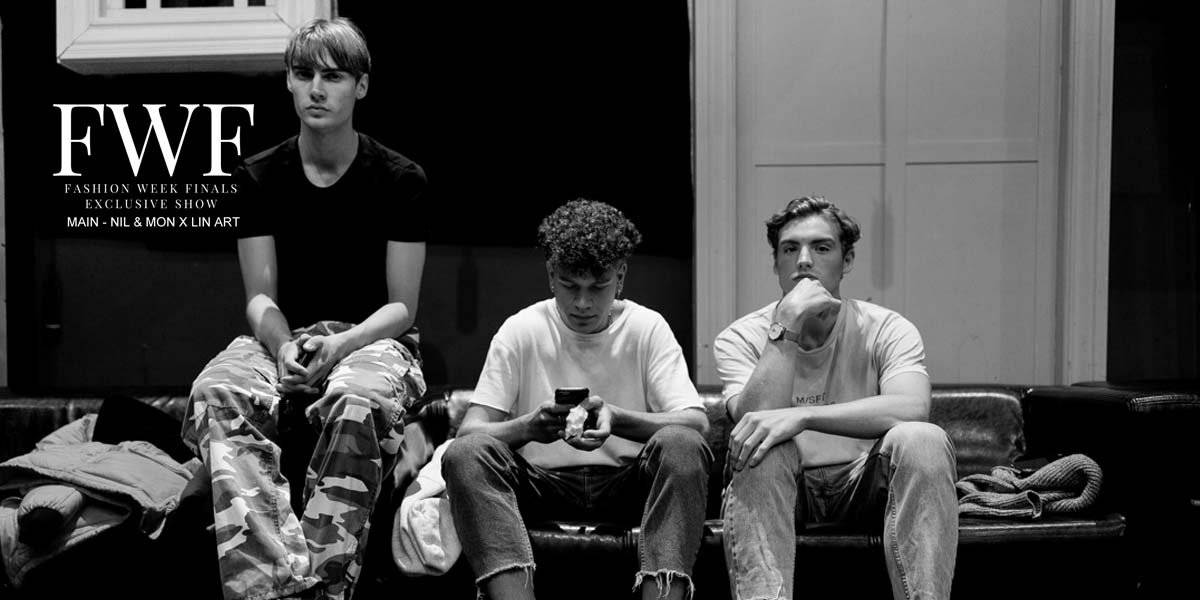
First own fashion show – Fashion Week Finals Berlin
Being backstage at a fashion show means: pure adrenaline, creative chaos, and a millimeter plan that allows no mistakes. What the audience experiences as an elegant show is the result of weeks of preparation, hundreds of decisions, and a team that is running at full speed in the minutes before the runway. CM Models has, in cooperation with FIV Magazin and Haubentaucher Berlin, organized one of the last major Fashion Week Berlin shows — and we take you behind the scenes.
The Organization: What really happens before a fashion show
Organizing your own fashion show is not a project that comes together in a week. Planning begins months in advance — from finding the location, selecting the designers, to communicating with the press and agencies. Haubentaucher Berlin was the ideal setting for this event: an outdoor area right by the water that perfectly combines urbanity and fashion flair.
Location and technical equipment
The choice of location determines the entire character of a show. Lighting conditions, runway paths, guest capacity, and technical infrastructure must be planned from the beginning. Catwalk setups, sound and lighting equipment, stage, and audience area — all of this requires professional partners. Those who want to know how professionals shine on the runway will find valuable insider know-how in our runway and catwalk tips.
Designers and Collections
A Fashion Week show requires designers who tell a story with their collections. The selection of the right talents is crucial — from German fashion designers with Berlin roots to international newcomers. Fit, runway suitability, and thematic coherence of the collection are selection criteria that decisively influence the success of a show.
- Location check: light, acoustics, runway paths
- Book technical equipment early
- Backup plan for weather disruptions
- Designer selection: style and message
- Collection logistics and transport
Models and Casting: Who May Walk the Runway
The heart of every fashion show are the models. Without the right casting, there can be no convincing show. CM Models works with a clearly structured selection process that puts experience, body measurements, and the ability to authentically present a collection in the spotlight. Anyone interested in a runway career should know the requirements to become a model and understand which steps to become a model are necessary.
Body Measurements and Minimum Requirements
Classic runway shows have clear requirements for model measurements and prerequisites. The minimum height for model agencies is usually higher for haute couture shows than for commercial campaigns. However, the industry is opening up: becoming a model with larger sizes has long been more than a trend, and today you can also find a model agency without a minimum height at specialized agencies. Particularly the field of curvy models is growing rapidly and is gaining more presence on Berlin Fashion Week shows.
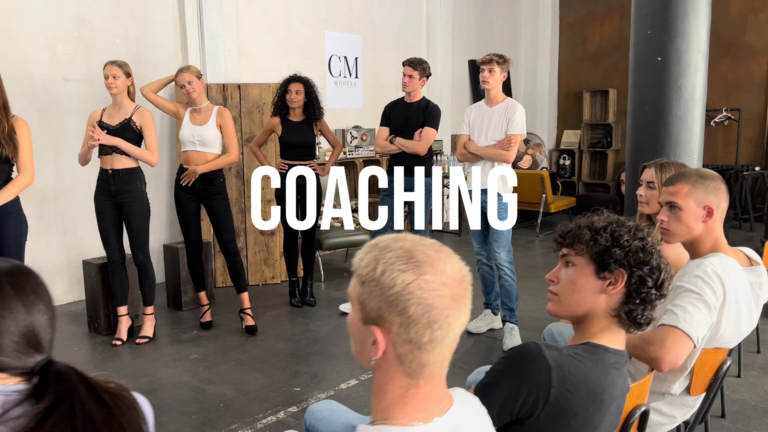
Casting process at CM Models
Anyone who wants to impress at the casting at CM Models must be well prepared. This includes not only appearance, but also a professional demeanor, a strong model portfolio for casting, and the ability to quickly adapt to changing situations. Our tips for preparing for a casting help make that crucial first impression.
“The last thirty minutes before a show are pure chaos — and at the same time the most beautiful thing we experience as a team. When all the models are fully dressed in the line-up area and the lights go on, you understand why you’ve been sleep-deprived for weeks.”
Backstage: The Last Minutes Before the Show Starts
Those sitting in the audience see the polished surface. Backstage, however, in the last 30 minutes before the show begins, a highly coordinated sprint is underway: hair is styled one last time, outfits are numbered, quick-change stations are set up. Stylists, makeup artists, production assistants, and floor managers move within a confined space without getting in each other’s way — this is only possible with experience and precise communication.
Dressing Room Organization and Quick Changes
Each model has their own rack with numbered outfits in exact order. Quick Changes — meaning switching between two looks in under 90 seconds — are choreographed like a play. Zippers are opened in advance, shoes are pre-positioned, accessories are placed within reach. The smallest mistakes cost time, which doesn’t exist backstage.
Music, Light and Timing
Music and light are not decorative — they are structural. Each track corresponds to a look, every change in lighting marks a mood. The timing of the models on the catwalk is synchronized: step for step, beat for beat. The director communicates in real time via headsets with the production team.
| Area | Responsible | Critical Deadline | Backup Plan |
|---|---|---|---|
| Location & Setup | Production Management | 6 hours before show | Alternative Indoor Option |
| Casting & Models | Booking Management | 48 hours in advance | Stand-by Models |
| Hair & Make-up | Creative Director | 2 hours before show | simplified look |
| Music & Technology | DJ / Sound Engineer | Soundcheck 3h before | Backup Playlist local |
| Catering & Guests | Event Management | 1 hour before show | Additional supplier ready |
| Aftershow Party | Venue Manager | Immediately after show | Time buffer planned |
Fashion Weeks worldwide: Context and Meaning
Berlin is part of a global network of fashion shows that structures and drives the fashion industry. The Big 4 Fashion Weeks set the trends of the season — whoever understands the international stage also understands why Berlin shows must develop their own energy and positioning. The New York Fashion Week dates, the Paris Fashion Week dates, the Milan Fashion Week dates and the London Fashion Week dates are fixed points in the calendar of every agent, designer and model worldwide.
Anyone aiming for an international career should consider becoming a model in London or becoming a model in New York — because the steps to get there often start in your own city. A model agency Berlin can be the decisive first contact. Also model agency Hamburg or becoming a model in Frankfurt are strong regional entry points into the German market.
Model agency, career and the next step
After a successful show, many models ask themselves: What comes next? First, it makes sense to carefully select your own agency. A serious model agency does not charge advance fees — those who are unsure can find answers under Model agency: Paying money? and Model agency without fees. An overview of the Top 10 model agencies helps to assess the market.
For the first contact, it is important to know the rules for writing to a model agency. Those who do not want to model full-time can find everything about combining modelling with a job or training in the article Modelling part-time. And for those who want to know what is financially possible: What does a model earn? provides realistic insights without sugarcoating.
- Serious agency: no advance costs
- Professionally prepare your portfolio before applying
- Use local agencies as a starting point
- Starting part-time is possible
- Define Fashion Weeks as a career goal
Checklist: How to apply correctly
- ☐ Create current photos in natural light
- ☐ Measure and note body measurements precisely
- ☐ Compile a professional portfolio
- ☐ Research and compare serious agencies
- ☐ Submit a personalized application without typos
- ☐ Choose a simple, body-conscious casting outfit
- ☐ Keep hair loose or neatly tied back
- ☐ Arrive on time — at least 15 minutes early
- ☐ Practice a confident, relaxed demeanor
- ☐ Politely inquire after the casting if there is no response
Ready for the next step? Apply now and become part of the CM Models team.
Frequently asked questions about fashion shows and modeling careers
How do I get booked for a Fashion Week show as a model?
The way usually leads through a model agency, which suggests you for suitable castings. Designers and production agencies work directly with agencies — as a freelance model without an agency, access to major shows is significantly more difficult. A professional portfolio, experience in front of the camera, and ideally some runway experience are important.
What does it cost to organize your own fashion show?
The budget varies greatly: A small up-and-coming show can be realized starting from several thousand euros, while professional Fashion Week shows with complete equipment, renowned models, catering, and an after-show party can quickly reach five- or six-figure amounts. Location, technology, and PR are the biggest cost factors.
What requirements do I need for the runway?
For high-fashion runway shows, minimum heights of 175–180 cm for women and 185–190 cm for men are generally required. In addition, specific measurements are set by the designers. For commercial or curvy shows, other criteria apply. Equally important are presence, walk and the ability to effectively present clothing in motion.
How does an Aftershow Party take place at Fashion Week events?
The Aftershow Party is an important part of the event — networking, press and industry insiders meet, designers celebrate their collections, models and agents discuss future projects. A successful Aftershow requires a clear location (ideally near the show), good catering, a DJ and a well-thought-out guest list. Haubentaucher Berlin offers optimal conditions for exactly this format: outdoor atmosphere, bar infrastructure and the necessary laid-back vibe that characterizes Berlin fashion events.
Fashion Week Berlin 2025: shows, calendar, dates + live from Berlin
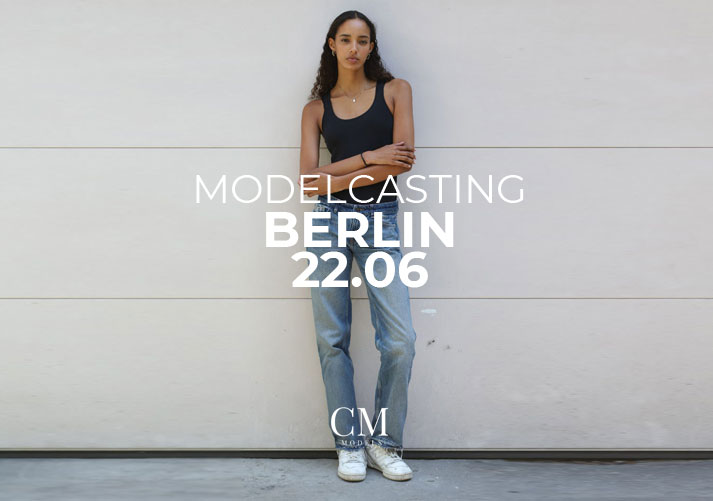
Model Agency Casting on 22 June in Berlin Mitte: Pre Fashion Week Berlin
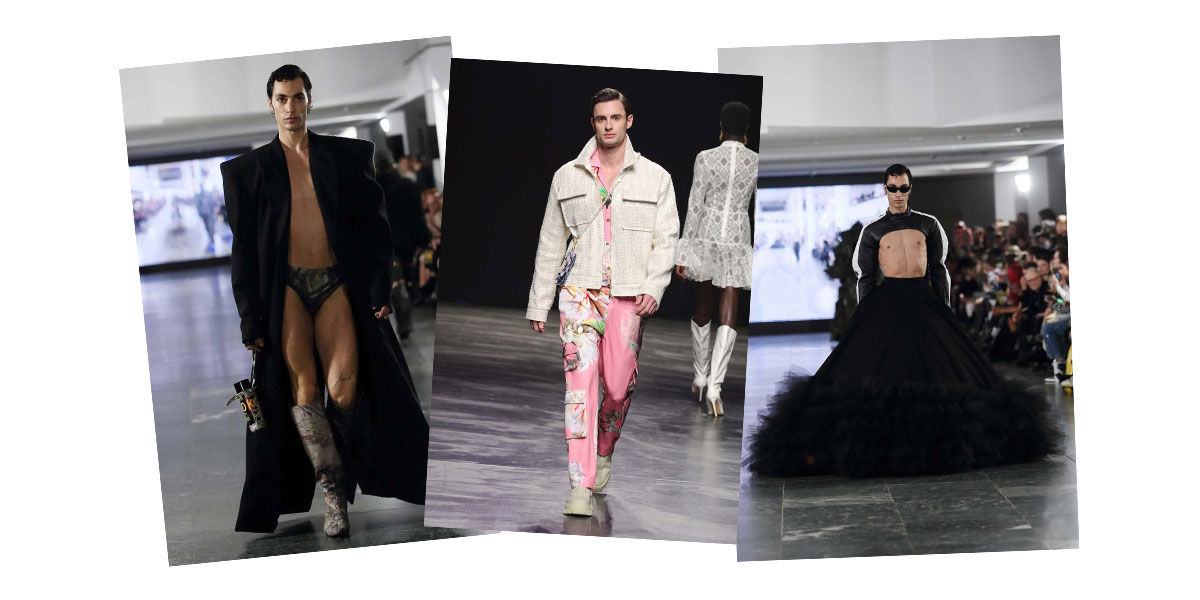
Berlin Fashion Week: Our models on the runway

Model Casting 7. February 2024 in Berlin x register now!

Louis Vuitton Men Fall-Winter 2024: Paris, Cowboys & Pharrell Williams

Supermodel Streetwear: Wie Naomi Campbell die Modewelt erneut begeistert - PrettyLittleThing