Video Production and Corporate Films: How a Commercial Is Made – Insights!
IO Video Production for commercials and social media is sharing insights today! How are commercials actually made? Video marketing has by far overtaken all other formats (print, billboards, etc.) in terms of budget. Whether it’s a Super Bowl commercial or a Facebook clip for a regional supermarket. But how does the planning, organization, and concept development of commercials actually work? This article sums up every aspect of IO Productions’ process.
How Is a Commercial or Corporate Film Made?
Fashion brands, online shops, tech companies, automakers… they all need commercials. Because advertising doesn’t just make products known, it makes brands known too. Today we give you a deep look into the production process and its various steps:
- Storytelling: story, emotions, and impact chains
- Process – first contact, briefing, and brainstorming
- First Contact – initial meeting and idea development with the agency
- Pre-Production: preparing the shoot’s storyboard, equipment, and team
- Production – production workflow and high-end equipment
- Post-Production: reviewing, editing, and revising the footage
- Ad videos and commercials
More articles and links on the topic of video production:
- List: Best film production companies – external
- Social Media Video Marketing – external
- Social media agency for YouTube, Facebook, and Instagram – external
The Process – First Contact, Briefing, and Brainstorming
The process covers various areas, from the initial contact all the way to the finished video production, post-production, and delivery in different formats and sizes. Depending on the requirements and wishes, the approach to film production, just as with storytelling, is very multifaceted. But at first, everything comes down to the initial contact and the first briefing – what’s it about?
- Which brand is this being produced for?
- What does the brand want to advertise?
- Is it a brand-new product, or an existing product that’s being expanded?
- In which countries will the film be released?
- In which languages will the film be released?
- Which media outlets are targeted for release?
- How much budget is available for the production?
- What video lengths and formats does the client expect?
- What content should be conveyed?
- Is it part of a larger campaign?
- Is the commercial the lead medium, or “just” part of the campaign?
- What needs does the product / brand fulfill?
- Are there competing products?
- How is the target audience defined (demographic traits)
- What wishes and needs does this target audience have?
All these questions get raised during the initial contact.
First Contact – Initial Meeting and Idea Development with the Agency
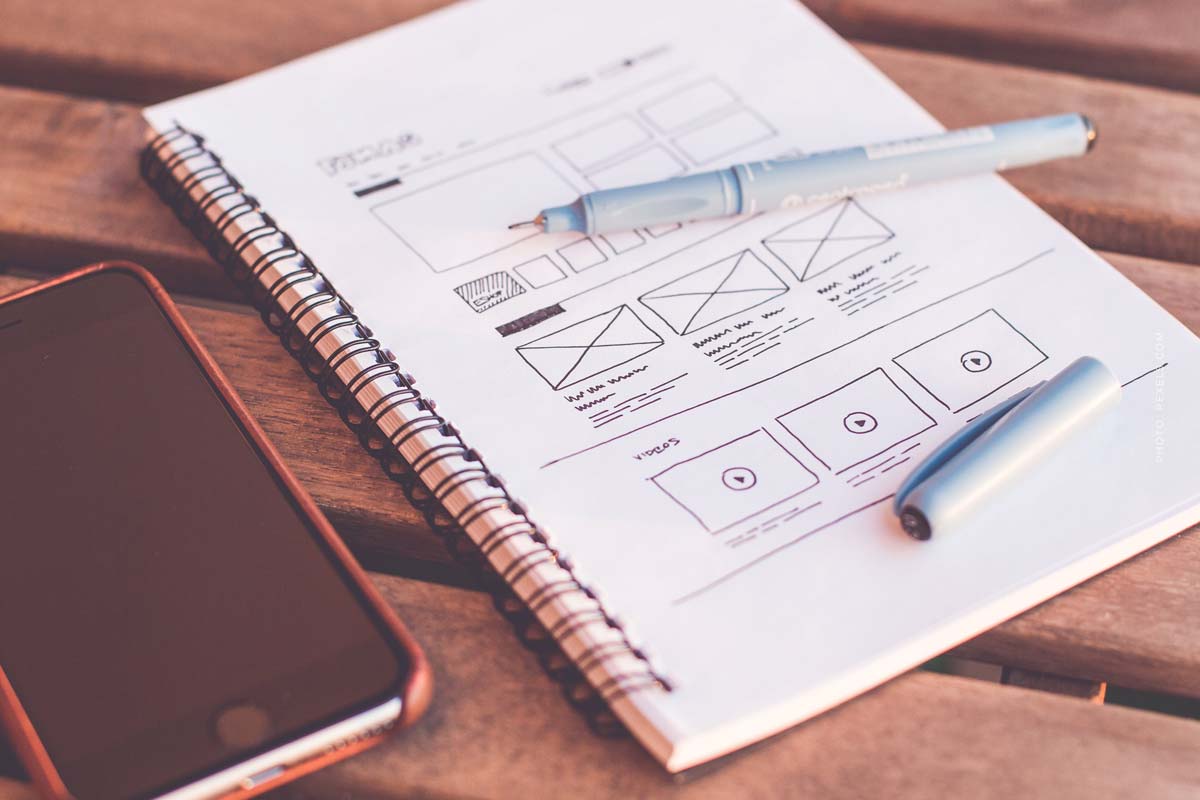
In the first briefing for the upcoming video production, we talk with our clients about the parameters of the new video campaign mentioned above. The conversation is usually limited at first to a 30-minute get-to-know-you session – after that, the impressions are allowed to sink in, and a first framework for the concept develops subconsciously. In this 30-minute kick-off conversation, you get a quick overview of the company, or its products and services, which especially helps the creative director form an initial, unbiased picture of the project. The client’s wishes are also noted down – they’re especially important for planning and the first ideas. The third important point is the target audience: are you addressing an existing demographic group, or is it a new approach to potential customers who aren’t currently being reached? From these three parameters, the first ideas can now be generated for how a possible campaign could be executed. These ideas then lead to an initial client briefing, where the concepts are presented in broad strokes. This includes not just the content of the respective film, or its different versions, but also the impact chain. The easiest way to compare this is with the storyboard. It shows, step by step, what will happen in each individual scene of the final ad clip.
Impact Chain and Storyboard: Visual Language and Video Concept
In small, square boxes on paper or in PDF format, each important scene is named individually. It also shows at which moments the emotional impact is achieved. As a rule, in a commercial you especially have to make sure that first moment lands. Typically, that should happen within the first two to three seconds. This timeframe has not only been confirmed by classic studies – the new media platforms (like YouTube and Facebook) also rely on these same factors.
- On Facebook, when running ads, impressions are counted starting from the third second,
- On YouTube, video ads can be skipped after 5 seconds,
- Instagram likewise counts an impression starting from the third second of the video.
If you haven’t reached the consumer by this point, it becomes much harder to get through to them afterward. That’s why the opening of the video especially needs to work well and pull the viewer in right away!
Planning ad videos in advance naturally saves an enormous amount of time in the later production and makes the impact of the videos more efficient. This leads to more closed sales as well as greater reach, which is why most companies invest in a good video production company that’s been recommended to them. Thanks to numerous recommendations, we too were able to gather great reference projects within a short time, which we bring together in our portfolio. As a video production agency, we stand for quality, innovative media, and a fully trustworthy service. Our clients often give us a free hand in production so we can get the best possible result for them. In close consultation, we then design the parameters as well as the storyboards, as described above. Once everything is planned and defined, it’s time to move into the video production itself!
Pre-Production: Preparing the Shoot – Storyboard, Equipment, and Team
After the film’s concept has been developed, it’s time for the final preparations. All agreements have been made, and the client has signed off on the first storyboard. In the next step, all the concrete preparations are made. The storyboard is no longer just in its conceptual form – it’s now worked out in detail once more. Based on the detailed storyboard, the team members can now be planned too.
Team Planning in Video Production: Model, Makeup Artist, Stylist, etc.
The typical team on a video or commercial production doesn’t just include the videographer, the agency, and the client, but also various people on set. The more complex the production, the more people are involved. As a rule, aside from pure product videos, you definitely need a model.
Booking Models: Ad Models for Film Shoots and Usage Rights
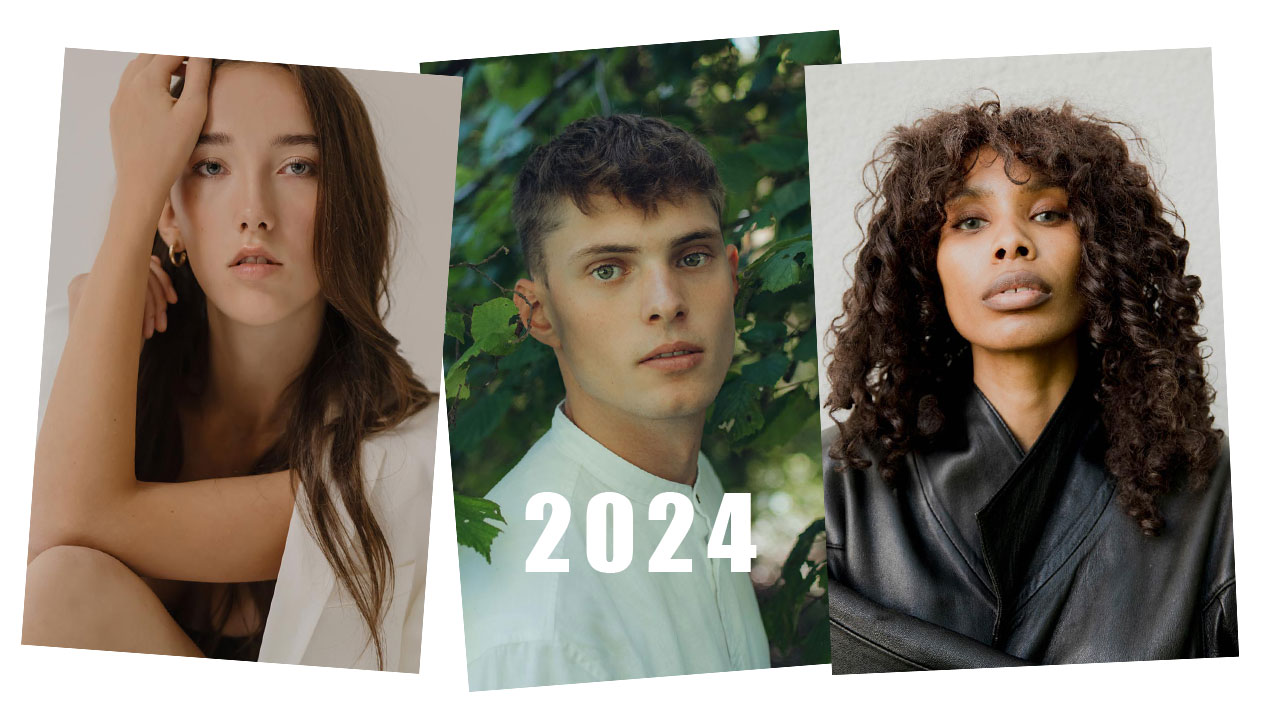
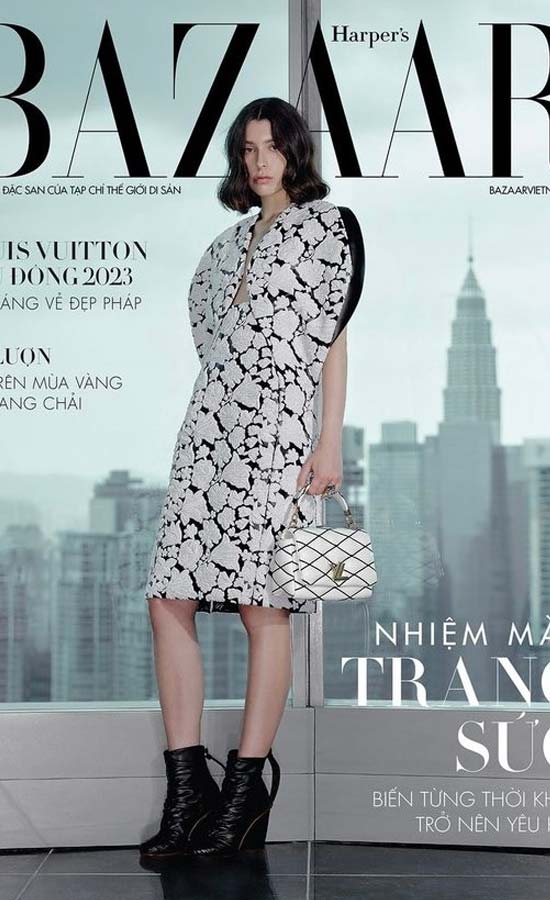
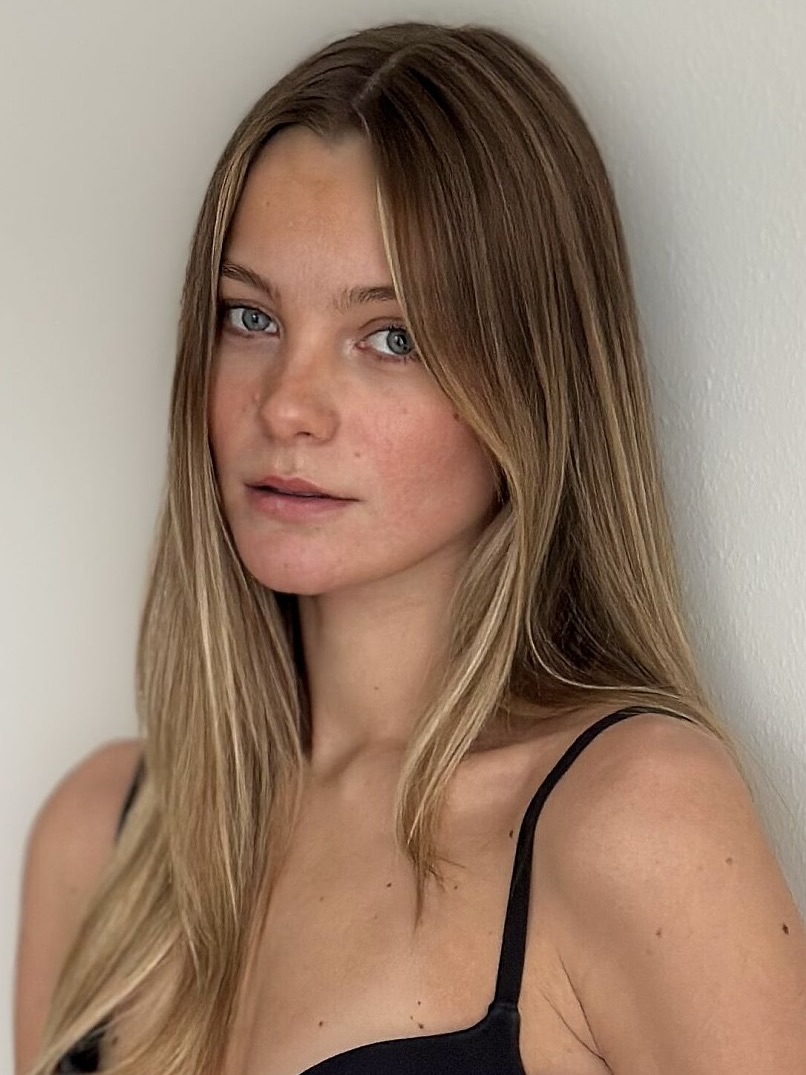
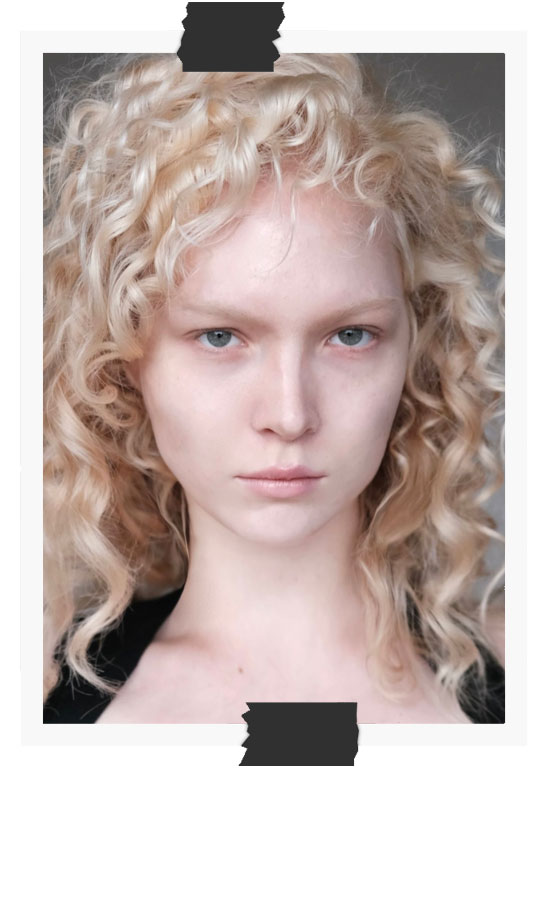
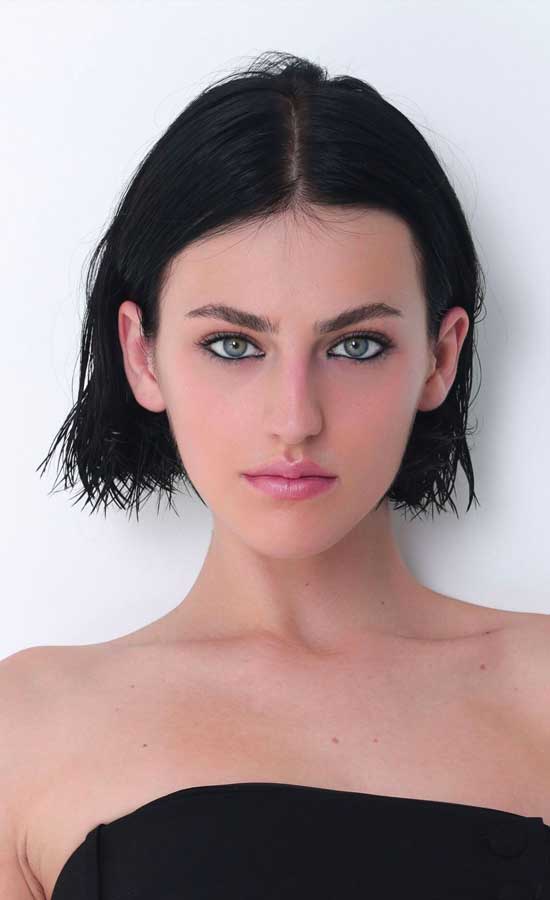
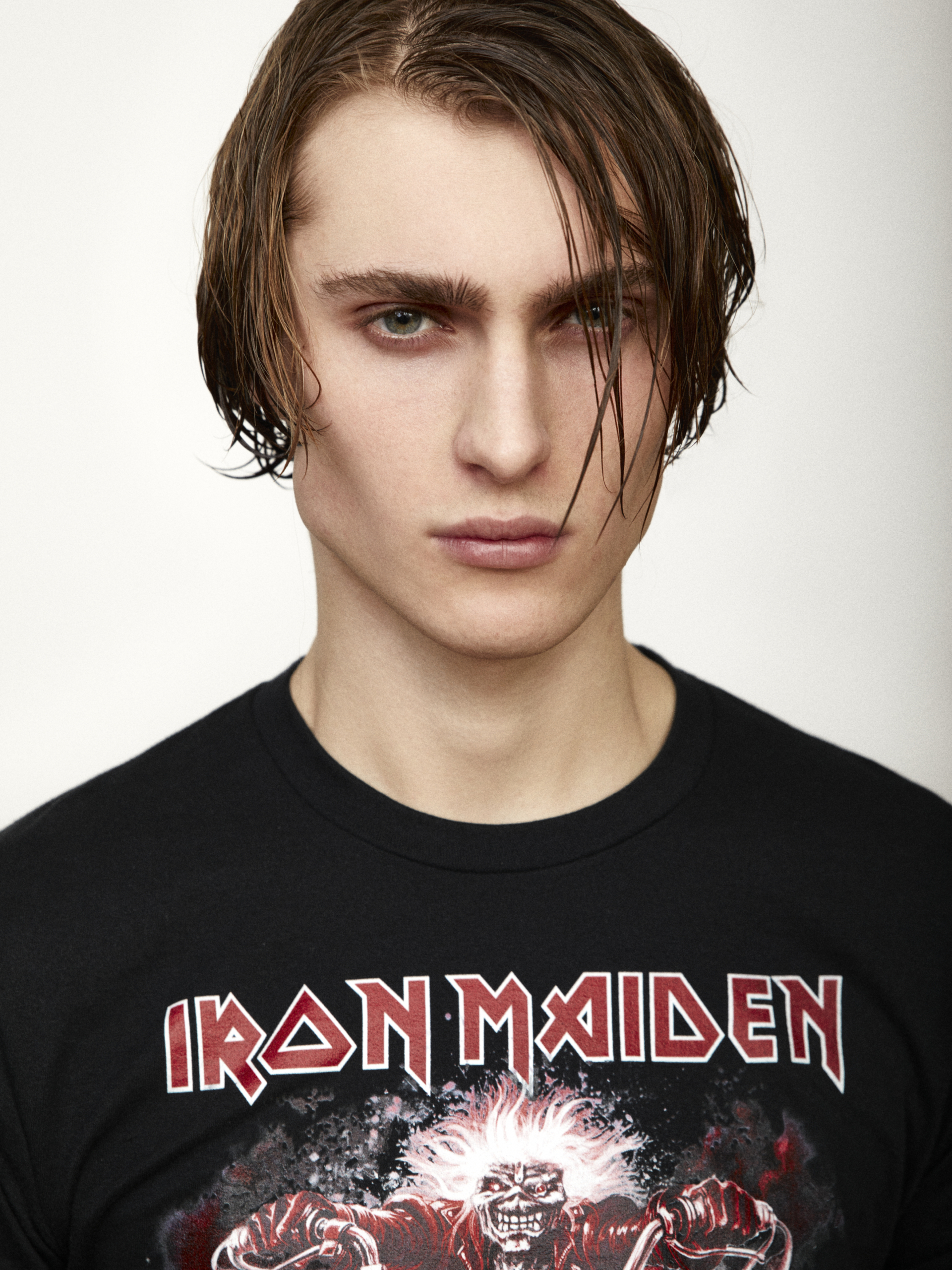
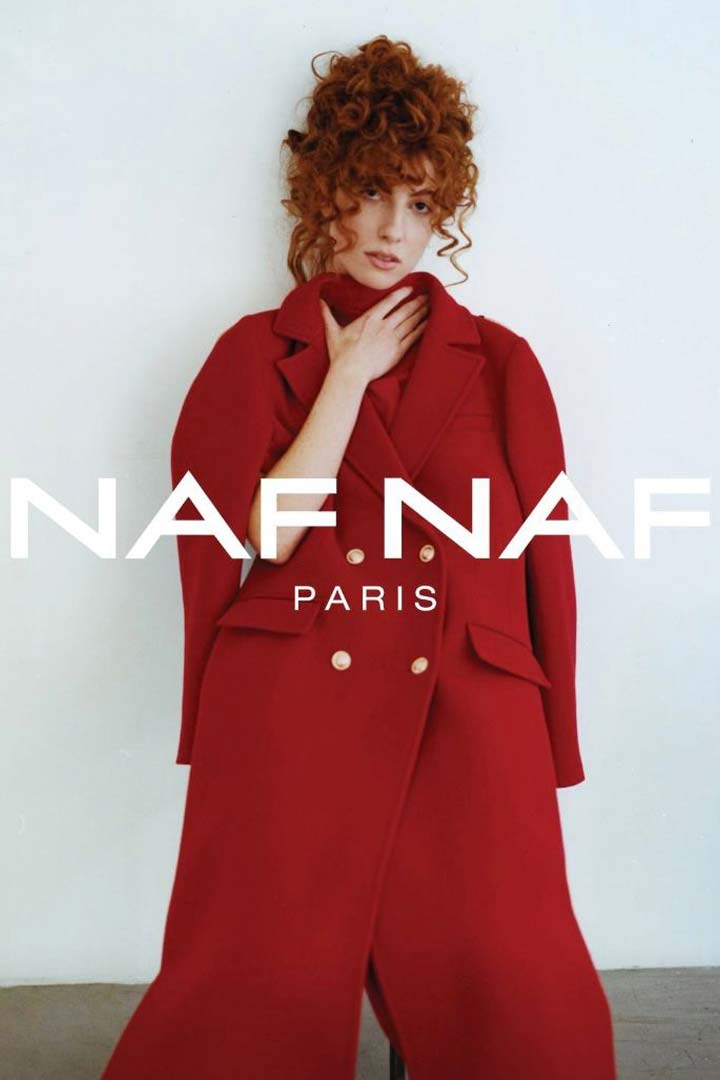
Every video needs a matching face – one that fits the brand as well as the message that’s meant to be conveyed. Models are absolute professionals in their field, and thanks to years of experience with photo shoots and commercial productions, they have a feel for deliberately generating planned emotions. Basically at the push of a button, they can show that they have a certain “need,” that they’re happy, that they’re feeling sad, that they’re showing affection. Especially in an elaborate production, a professional model like this is worth their weight in gold!
Models don’t just make sure the emotions come across perfectly and that the campaign looks good – they also bring a good mood to the set. Through their professionalism and positive energy, they create an overall good atmosphere, which also speeds up production and raises the quality of the results. In the end, though, it’s not just about booking the model – it’s also about the usage rights and about working with model agencies. Besides the perfect ad model, you also need a makeup artist, or a hair and makeup artist.
Booking Makeup Artists: Hair and Makeup Artists for Perfect Video Sequences and Close-Ups
When it comes to booking a makeup artist, we take care of everything too – rely on our service, and we’ll organize experts in hair and makeup. In addition, many shoots also need the perfect clothing – the outfit has to be just right! That’s why, alongside booking a hair and makeup artist, organizing the stylists comes next.
Booking Stylists: Outfits, Accessories, and Cohesive Colors
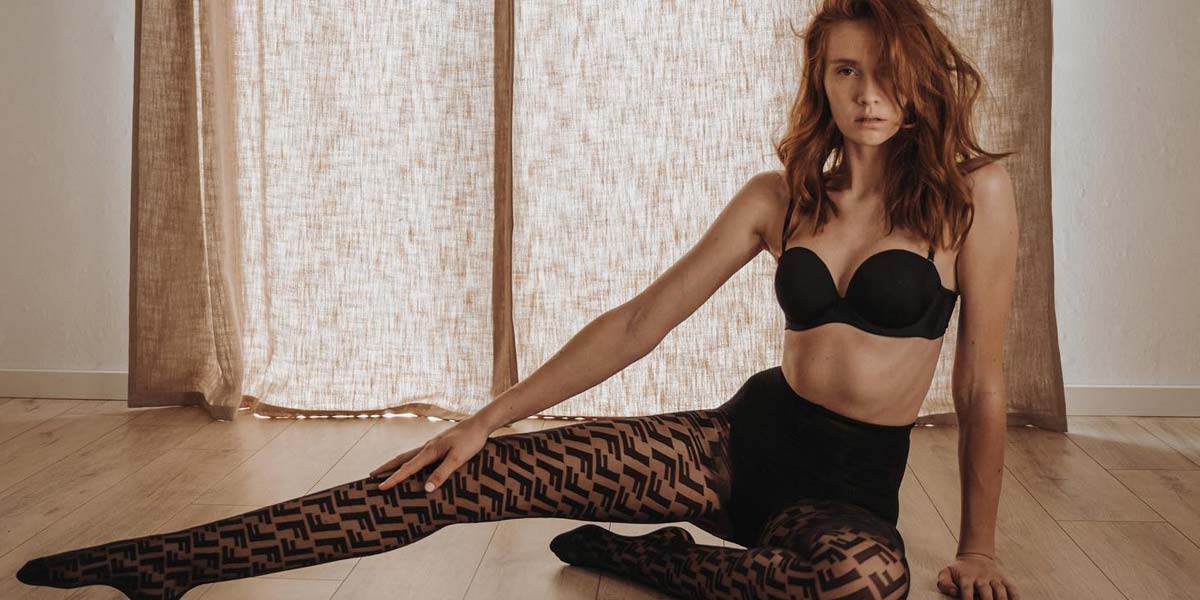
Stylists are on set to make sure the outfit, accessories & jewelry fit perfectly. They ensure that, beyond the model’s hair and makeup, everything else looks right too. Finding good stylists isn’t actually that easy, since the job is very demanding and requires good connections. We’re happy to help you find the perfect stylist using our contacts, though.
Booking Photographers: Recommendations for Good Product and Advertising Photographers
If an elaborate video production is already being organized, it’s often worth it for companies to book a photographer at the same time. On that one day, many people are already on site and organized, and photographers can perfectly capture these moments as backstage or behind-the-scenes shots. This footage can be used not just for your own PR efforts or press, but of course also for social media as well as on the company’s own website – so you’re killing two birds with one stone. If the set is organized smartly, photo and video production can even happen in parallel. This is often especially worthwhile for companies in the travel industry as well as the fashion industry, for example when photographing and filming travel catalogs or travel commercials, or lookbooks in the fashion industry. The resulting images can be used in many different ways – a perfect complement to the shoot. That’s why our recommendation for video productions is to book an experienced photographer along with it right away.
We Take Care of Your Team as Well as Your Video Production
All of this planning is complex, but since we draw on years of experience as well as an extremely large network of photographers, videographers, makeup artists, stylists, and many more, we can help you quickly and easily achieve perfect video results even for elaborate productions! After pre-production, meaning all the planning, everything is now in place! Now it’s time for the big production!
Production – Production Workflow and High-End Equipment
In the next step, we move into producing the commercial. Depending on the size of the production, everything is organized for a single day, spread across several days, or scheduled across different dates with short breaks in between. Especially for cross-country productions, for example when production is happening in the USA plus a flight to Canada and Europe, such a production can stretch out. As an agency, you naturally try to bring your expertise directly into play to enable the most efficient path possible. This saves time as well as costs for the client, which is always our top priority as an agency. The location has already been scouted in advance and prepared for production. On the production day, the client is on site themselves to sign off on everything. We also always recommend that one person be present on site. This allows for a direct look into the production as well as direct influence over the footage and video material.
Production Workflow: Location, Look, and Teamwork
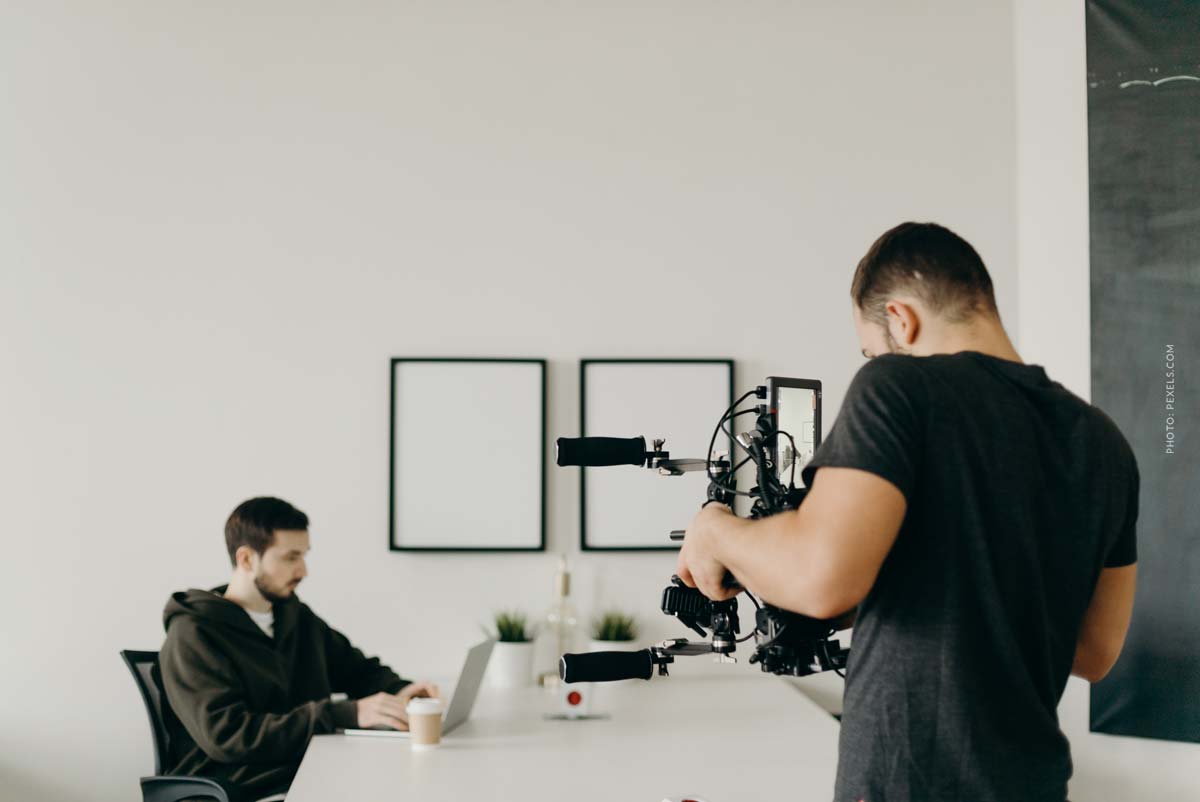
At the start of every production, the team gathers to go over the last details once more. After that, the models are prepped by the makeup artist while the videographers prepare the set with helpers and assistants. On some sets, filming takes place all day long; others switch locations. With well-organized technology and high-quality equipment, though, any production gets wrapped up quickly – preparation is everything! Depending on the production, various pieces of technical equipment also come into play. Here’s a quick overview of the most important gear used in current productions.
Gimbal: Smooth Camera Movements for Breathtaking Scenes
A gimbal lets you simulate camera movements that used to require elaborate rail systems. This technology stabilizes the camera and lets the videographer work freely. In short, the gimbal replaces the classic rail system. Camera movements become very smooth (shake-free), even while the videographer is walking or even running alongside the actor or model. Shots like this are needed, for example, for slow tracking shots in the automotive industry, but also in productions for sports brands – for instance, when a runner starts to jump. The cameraman starts moving at the exact same moment and captures the shots. In the past, elaborate and expensive rail systems had to be installed for this; today, a high-quality gimbal is enough for the production. What a high-quality tracking shot should look like, you can see for example here, with straight, wobble-free shots despite rocks and cliffs.
Sony Camera: High-End Image and Video Quality for Commercials
Most video productions today no longer need huge cameras – processors and chips have become so small that size barely matters anymore. Modern camera technology fits into extremely compact housings. Currently, 80% of our footage is shot with Sony equipment. This lets us guarantee our clients first-class camera quality and high brilliance in the images. This is especially important for clients who care about high-quality footage. And you care about that too, right?
Once production is finished, all footage is backed up twice on memory cards. Next, it’s back to the agency to carry out the video’s production. In post-production, there are three major steps:
- Reviewing the footage
- Cutting and editing the footage
- Client revision rounds
Let’s take a closer look at the post-production of commercials now. Here too, it depends on the complexity of the material – ranging from a small Facebook ad designed for 10 seconds all the way to a corporate film running 15 minutes long, used for press, PR, and internal purposes. In summary, though, post-production can be described for you as follows.
Post-Production: Reviewing, Editing, and Revising the Footage
In this final step of video production, it’s all about reviewing, editing, and making revisions – known in agency circles as the “revision loop.” First, we start by reviewing the footage from the various cameras.
Reviewing the Footage
When it comes to reviewing the video production’s footage too, a good videographer pays off immediately. They still have every shot, every sequence, and the various cameras used in mind. All the footage is now brought together and reviewed for the best scenes, which are then filed into separate tracks and sequences, similarly to a classic economic analysis, sorted into A, B, and C material.
Editing the Videos
Once the footage has been reviewed and sorted into the different categories, the editor starts cutting the material. Various video sequences are pieced together and, depending on the complexity of the video (final product), filled in with text, animated logos, titles, or explanations. Editing is a relatively time-consuming and complex process, but thanks to a good production, a lot has already been clarified and organized in advance. This means the edit can ideally be reduced to a minimum, so the first revision round with the client can happen as quickly as possible. The rough cut first shows an initial version that serves as the basis for further editing and changes. First, though, the client should get an overview so the rough cut can be signed off on. Only then are the videos finally assembled and configured in terms of lighting as well as all other important settings and configurations of the footage. In the end, the editor delivers different formats and versions. Why?
There are various streaming platforms, plus TV, cinemas, the entire online world, and of course social networks too. Whether it’s video ads generated through HTML5 animation, or banner ads for other online shops in GIF format. Likewise, separate formats for Instagram, but also Musical.ly or other versions – faster and punchier for Facebook, while another version for YouTube runs long, over 12 minutes.
Revision Requests and Editing
Once everything checks out after the client’s revision rounds, all these different formats are exported and then made available to the client. Because the media can be used across networks, it increases the success of the videos. It boosts reach, and with it engagement, and ultimately also closed sales or the desired results of the campaign.
That’s it!
Whether it’s a Super Bowl commercial or a Facebook clip for a regional supermarket. This is the principle agencies use to produce commercials and corporate films! More articles and links on the topic of video production:
- More on Video & Film Production IO
- Social Media Video Marketing – external
- Social media video agency for YouTube, Facebook, and Instagram – external

Snipes x Adidas with Ariane in Berlin - New Streetwear
UFC Sport Kampagne in Seoul mit Simon

Model Management - International Booking - Praktikum, Köln, m/w/d
Influencer Marketing Praktikum - Social Media, TikTok, Instagram & Co., Köln, m/w/d
Content Marketing - SEO, Social, Shopping, Traffic - Vollzeit, Köln, m/w/d

Modelagentur Ausbildung - Kauffrau / Kaufmann, Büro - Berufsausbildung (IHK), Köln, m/w/d