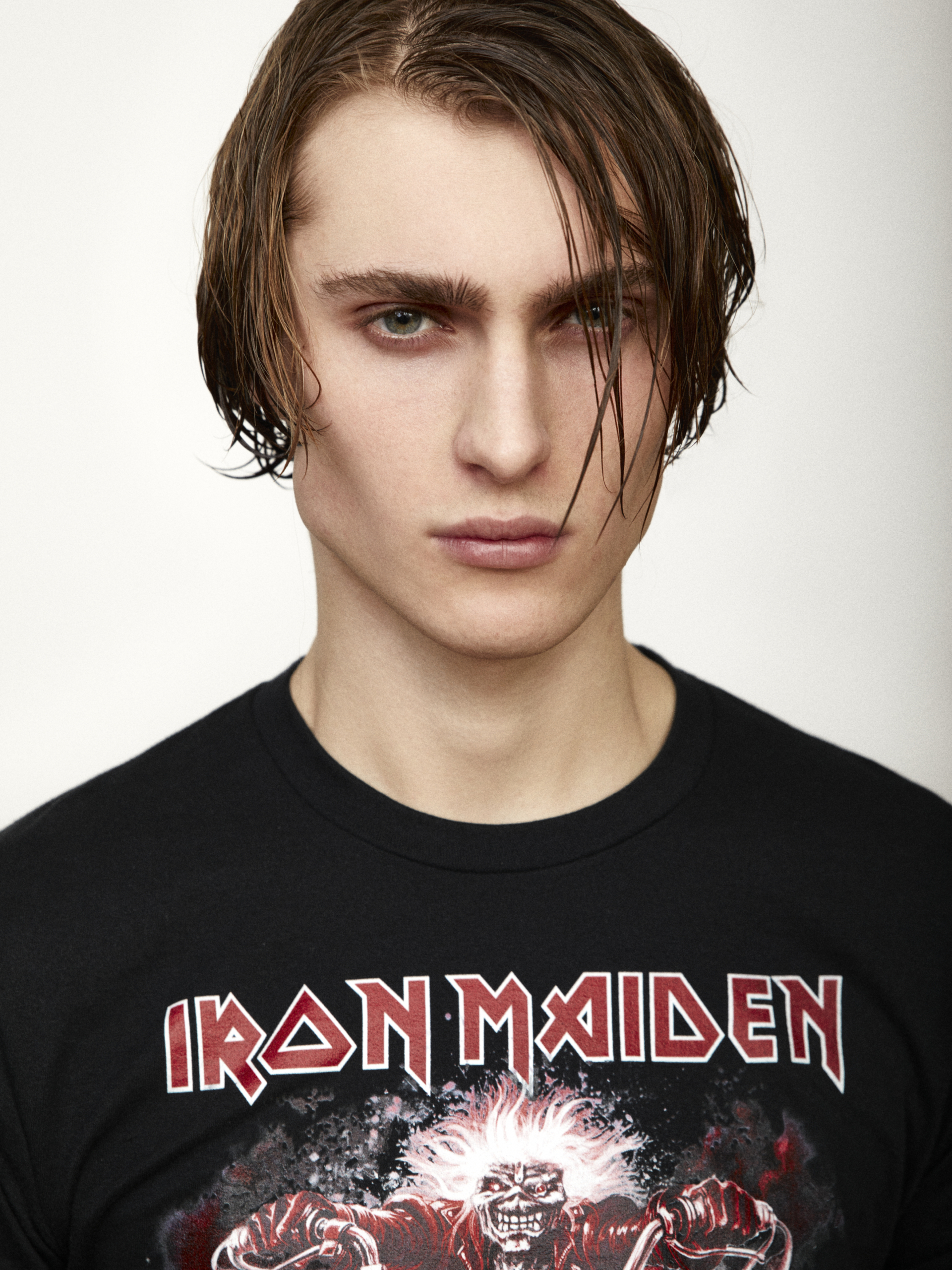
Thin Hair: Products, Haircuts & Hairstyles
Fine, thin hair isn’t your destiny – it’s a challenge you can easily master with the right knowledge, the right products, and a clever haircut. Whether you want to give your hair more volume, shine, or fullness: the following tips and tricks show you how to get the best out of your fine hair and shine every day with a hairstyle that turns heads.
Why Fine Hair Needs Special Care
Fine hair has a smaller hair shaft diameter than normal or thick hair. That means each individual strand is lighter, softer – and reacts more sensitively to care mistakes. Heavy conditioners, oily products, or too much heat styling can literally weigh fine hair down. At the same time, it loses moisture faster and tends to break. Using the wrong products risks leaving your hair looking limp, dull, and lifeless.
It’s crucial to distinguish between fine hair (thin hair shaft) and thin hair (few hairs per square centimeter). Both can occur at the same time, but they don’t have to. The care routine, the right haircut, and styling products are similar in both cases – only the intensity of the measures varies.
“Fine hair doesn’t need magic – it needs lightness. As soon as you cut heavy products out of your routine and switch to volumizing ingredients, the hair transforms from limp to lively. The cut then does the rest.”
The Best Products for Thin and Fine Hair
Reaching for the wrong care products is one of the most common mistakes with fine hair. Many women reach for intensive conditioners or heavy hair oils – and then wonder why their hair still looks limp. But the rule is: less is more.
Shampoo: Volume from the First Wash
Choose a volumizing shampoo that skips silicones and heavy waxes. Silicones sit around the hair shaft as a film and simulate shine in the short term – but in the long run they weigh fine hair down and cause buildup. Look for ingredients like biotin, keratin, panthenol, or hyaluronic acid. These strengthen the hair structure without weighing it down. A gentle clarifying shampoo once a week also helps remove product buildup.
Conditioner and Hair Masks: Ends Only
Conditioner and hair masks are important for fine hair too – but only when applied correctly. Apply them exclusively to the lengths and ends, never at the roots. Leave-in conditioners in spray form are ideal because they don’t weigh the hair down. Look for products labeled “volumizing” or “lightweight.” Fermented proteins from rice or wheat are especially effective, since they penetrate the hair shaft and strengthen it from within.
Styling: Using Mousse, Spray, and More Wisely
For styling fine hair, the rule is: volumizing mousse before blow-drying is a real game changer. Apply it to damp hair and distribute it from the roots to the ends. Hairsprays with hold help maintain volume throughout the day. Keep heavy hair oil away from the roots – a single small drop of argan oil is plenty for the ends.
Product Overview: What Really Helps?
| Product Type | Suitable for Fine Hair | What to Look For | What to Avoid |
|---|---|---|---|
| Shampoo | ✔ Yes | Silicone- and wax-free, volumizing | Moisturizing shampoos for dry hair |
| Conditioner | ✔ Ends only | Lightweight formula, spray version preferred | Intensive conditioners at the roots |
| Hair mask | ✔ Once a week | Protein-based, mind the processing time | Heavy oil or butter masks |
| Volumizing mousse | ✔ Yes | Apply before blow-drying | Too much – weighs hair down |
| Hair oil | ✔ Minimal | Ends only, 1–2 drops are enough | Applying at the roots |
| Hairspray | ✔ Yes | Light hold, not too much | Heavy sprays that make hair stick together |
The Right Haircut for More Volume
No product in the world can replace the right haircut. For fine and thin hair there are cuts that visually create more fullness – and cuts that emphasize the lack of it even more. The most important tip any experienced hairdresser will give you: get your ends cut blunt. Layered, thinned-out hair makes fine hair look even thinner and see-through.
Bob and Lob: Classics with Impact
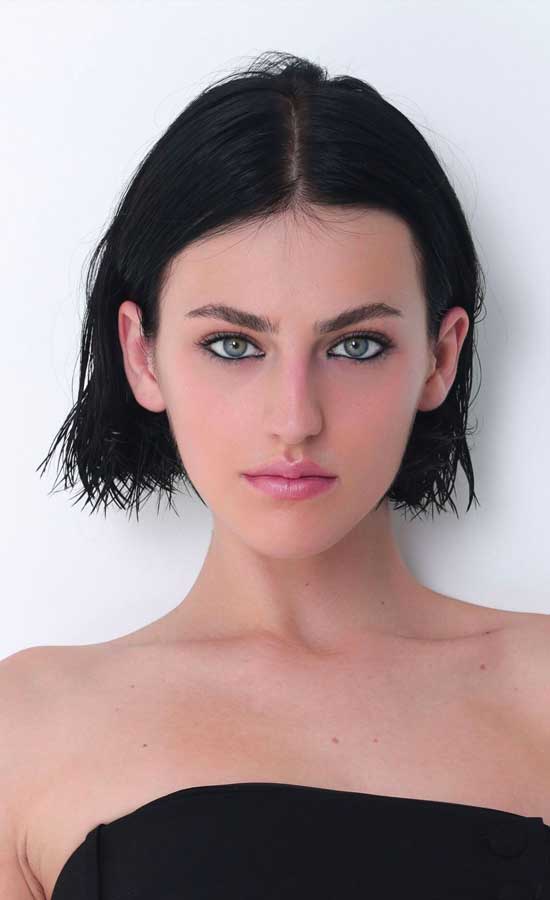
A compact bob or a lob (long bob) is ideal for fine hair. The even length makes the hair look visually denser. Thanks to the uniform weight, the hair falls more structured and fuller. Especially effective: a bob that curves slightly inward, which creates even more volume at the roots when blow-dried with a round brush.
Layers: Only If Done Right
Layered cuts can make fine hair look more voluminous – but only if they’re done right. Soft layers, meaning gentle, wide-spaced layers starting around ear height, create movement without thinning out the ends. Avoid deep layers or texturizing shears, since they literally make the hair see-through. Talk openly with your hairdresser about your hair structure before deciding on a layered cut.
Bangs: More Density Around the Face
Bangs are an excellent strategy for visually giving fine hair more mass. Especially full, straight-cut bangs or curtain bangs (split fringe) create the impression of more density. At the same time, bangs draw attention to the face – a nice side effect that also suggests volume.
Hairstyles and Styling Tips for Thin Hair
Your daily styling determines whether your fine hair looks voluminous or flat. With a few clever techniques, you can achieve more fullness right in the morning – without hours of effort.
Blow-Drying Technique: Head Down, Volume Up
Blow-drying upside down is a real classic for fine hair. Bend your head forward, blow-dry your hair against the direction of growth, and massage the roots with your fingers as you go. This technique lifts the hair at the roots and creates visible volume. Finish the blow-drying with a short blast of cool air – this closes the hair cuticle and preserves the shine.
Parting Trick: More Fullness by Switching Sides
Do you always wear your part on the same side? Then your hair gets used to it and lies flat. Simply switching the side of your part – or wearing a middle part instead of a side part – lifts the roots and creates more volume instantly. This trick costs nothing and works immediately.
Updos: Less Is More
For fine hair, the rule is: simple updos look more elegant than elaborate constructions. A loose bun, a half-up-half-down style, or a subtle braid with a few loosened strands suggest fullness. Hairstyles pulled too tight emphasize fine hair even more and put strain on the hair roots.
- Only brush hair gently, don’t tug
- Thin hair ties instead of wide bands
- Heat protectant spray before every styling session
- Diffuser instead of a regular blow-dryer nozzle
- Curlers for natural volume
- Dry shampoo as a volumizer
Your Everyday Checklist for Fine Hair
With this daily routine you give your fine hair the best foundation for volume and health:
- ☐ Use a silicone- and wax-free shampoo
- ☐ Apply conditioner only to the ends
- ☐ Use a clarifying shampoo once a week
- ☐ Work in volumizing mousse before blow-drying
- ☐ Blow-dry hair upside down for root volume
- ☐ Apply heat protectant before styling
- ☐ Regularly switch your part side
- ☐ Visit the hairdresser for maintenance every 6–8 weeks
- ☐ Use hair oil sparingly, ends only
- ☐ Dry shampoo as a quick volumizer
Frequently Asked Questions About Thin and Fine Hair
Which Ingredients Should I Avoid With Fine Hair?
Avoid silicones (recognizable by endings like -cone, -xane, or -siloxane), heavy waxes, mineral oils, and rich butters like shea butter. These ingredients form a layer around the hair, weigh it down, and cause buildup over time that completely destroys volume. Sulfates in too high a concentration can also dry out the hair and make it brittle.
How Often Should I Wash Fine Hair?
Fine hair tends to look greasy faster because there’s less space between individual strands. Washing every one to two days is perfectly fine. If you reach for shampoo too often, you risk irritating your scalp – which then produces even more sebum. Dry shampoo helps on days when you want your hair to look fresh without actually washing it.
Can I Still Wear Long Hair With Fine Hair?
Yes – but with care. Very long hair can look limp and lifeless with a fine hair structure, because its own weight crushes the volume. A length down to the shoulders or collarbone is often the ideal balance. If you don’t want to give up long hair, you should use regular hair masks, get your ends trimmed, and rely on volumizing styling products.
Do Home Remedies Really Help With Fine Hair?
Some home remedies are actually effective. Apple cider vinegar as a rinse (heavily diluted) closes the hair cuticle and adds shine. Aloe vera gel in small amounts gives the hair a slight boost. Be careful with egg masks or intensive oil treatments – these are often too heavy for fine hair and lead to exactly the opposite effect. Always dose sparingly and apply only to the ends.