





Find a Model Agency
The wrong model agency doesn’t just cost you time — it can block your career for years. Unscrupulous agencies charge fees, deliver no jobs, and disappear without a trace. The right agency, on the other hand, opens doors to real clients, real campaigns, and real pay. The difference lies in the details — and exactly these details you’ll learn here.
Why the choice of model agency decides between career or stagnation
Models who sign with the first agency that shows interest make the same mistake as someone who accepts the first job offer without reading the contract. A model agency is your most important business partner — and you must evaluate it as critically as an entrepreneur would his first investor. The agency positions you, negotiates your fees, and decides which clients even get to see you.
Before you sign anywhere, you should be able to distinguish a reputable model agency from a dubious one. This is not a question of gut feeling — there are clear criteria by which you can recognize a professional agency.
- Check established client structure
- Read contract duration carefully
- Understand fee model
- Interview reference models
- Analyze agency portfolio
The fee model as the first warning signal
Serious model agencies earn exclusively through commissions on booked jobs — usually between 15 and 25 percent of the model’s fee. Anyone who asks for money in advance, for photoshoots, registration or “inclusion in the portfolio,” is not acting in the model’s interest. A model agency without fees is the norm for professional agencies — no exception. Always request a written explanation of how the agency earns its money before you fill out even a single form.
- Commission: 15–25 % of the job fee
- Upfront fees: always a warning signal
- No costs for castings
- Request a written breakdown
Contract duration and exclusivity
Many agencies work with exclusive contracts — this means you may not be signed with other agencies during the contract period. This is standard in the industry, but the duration should initially be limited to a maximum of twelve months. Anything over two years for a new first contract is disproportionate. Additionally, you should check whether the agency pays even if they don’t book you a single job over several months — such protective clauses are negotiable.
Use recommendations, reviews, and genuine experience reports
No agency marketing text reveals more than what other models report about their experiences. The industry is smaller than it seems — anyone seriously wanting to model will quickly gain access to networks where people speak openly. Platforms like LinkedIn, industry-specific forums, and model communities are good starting points.
“The best reference for an agency is a model who has been signed with them for over two years and can show you their booking plan without hesitation. If no one is willing to name numbers, that’s answer enough.”
Ask specifically: How many jobs has the agency placed in the past year? Which clients were involved? How high were the fees? Good agencies have nothing to hide — on the contrary, they openly talk about their successes because that is their best advertisement.
- Read experience reports from active models
- Ask for specific job numbers
- Check the agency’s client list
- Critically read Google reviews
- Check blacklists in forums
Ask the right questions during the first interview
An initial interview with an agency is not a job interview — it is a mutual introduction. You are not just applying; the agency must also apply to you. Prepare targeted questions: Which brands regularly work with you? How does the communication between the agency and the model work? Is there a fixed Booker who will manage you? Who negotiates my fees? The answers will immediately show you whether the agency is professionally structured.
Agency specialization: Why type and niche are crucial
There is no universal agency that is equally strong in every category. An agency that represents top runway models for the Big 4 Fashion Weeks is not automatically the right choice for a curvy model or someone who focuses on commercial advertising photography. Know your profile before you start looking.
If you don’t have standard measurements, a model agency without minimum height requirements or a specialized agency for plus sizes is clearly more effective than trying to apply to traditional runway agencies. The niche is not a disadvantage — it is your strategic advantage. Anyone who researches becoming a curvy model understands that this market has its own structures and top agencies.
| Agency type | Specialization | Typical clients | Minimum size (women) |
|---|---|---|---|
| High Fashion / Runway | Runway, Editorial | Designers, Fashion Weeks | 174–180 cm |
| Commercial Agency | Advertising, Catalog | Retail, FMCG Brands | 165–175 cm |
| Curvy / Plus-Size | Large sizes, Body Positivity | Fashion from size 40+ | No fixed requirement |
| Part-time / Regional | Local jobs, Events | Small and medium enterprises, trade fairs, PR | Very variable |
Regional strength vs. international reach
Whoever starts in Germany will find strong regional agencies in the major fashion centers. A Model agency Berlin operates differently than a Model agency Hamburg — both have their networks, their strengths, and their typical clients. Whoever wants to think internationally needs an agency with proven contacts in the important fashion metropolises. Because whoever wants to walk at the New York Fashion Week, the Paris Fashion Week, or the Milan Fashion Week in the long term needs an agency with the right doors — not just one with a nice Instagram account.
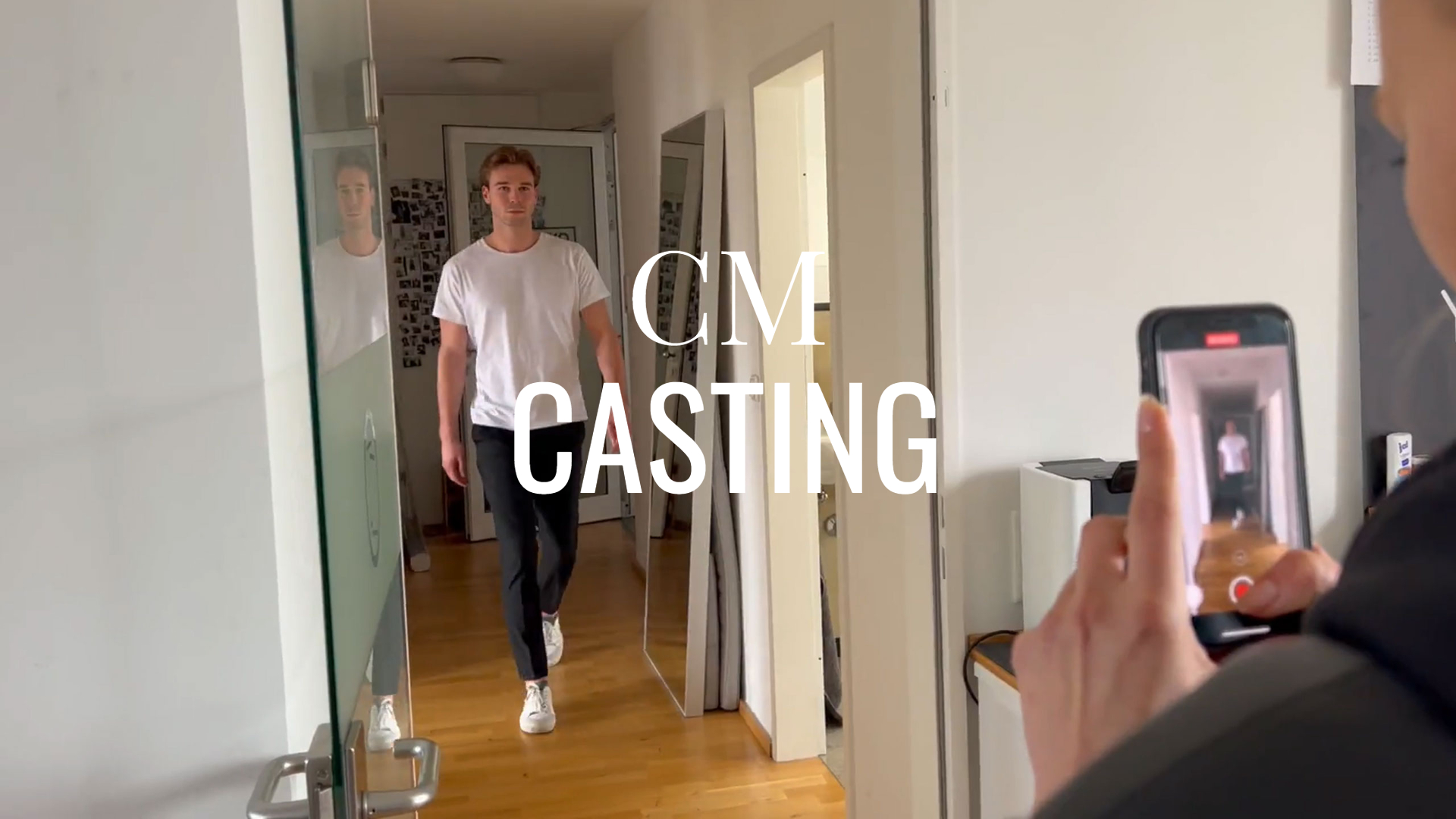
The correct application process at a model agency
Whoever has found an agency that fits their own profile often makes the same mistake in the first contact: too early, unprepared, with the wrong material. An application to a model agency follows clear rules — and whoever knows these rules has an immediate advantage over 80 percent of the competitors.
Learn how you should write to a model agency so that your Application doesn’t get lost in the pile. Most agencies receive dozens of applications every day — professional documents and a clear style make all the difference. This also includes a well-structured model portfolio for the casting.
- Current photos without strong styling
- Clearly state your measurements and height
- Short, factual letter of application
- No overly edited images
- Provide complete contact details
Casting as part of the selection process
The casting is not an interrogation — it is a chance to present yourself as you would in a real job. Anyone who wants to prepare for a casting should know: agencies pay attention to naturalness, movement quality, and responsiveness — not primarily to perfect makeup. Those who also apply for a casting at CM Models can directly assess whether the profile and agency philosophy match.
A direct entry is possible by applying now — without detours and without hidden costs.
What to expect after the casting
After a casting, there are three possible outcomes: immediate acceptance, inclusion in the waiting portfolio, or rejection. A rejection does not mean you are not suitable for modeling — it often simply means you do not fit the current client base of this one agency. Get feedback, work on it, and reapply or try other agencies. Whoever knows the steps to become a model knows: persistence beats perfection.
Your checklist: evaluating and choosing a model agency
- ☐ Agency does not charge upfront fees
- ☐ Commission model is regulated in writing
- ☐ Contract duration is a maximum of 12 months (first contract)
- ☐ The agency’s client list is verifiable
- ☐ Reference models have reported positively
- ☐ Agency is specialized in my type/my niche
- ☐ A fixed booking contact person is available
- ☐ Casting without cost is possible
- ☐ Application documents are professionally prepared
- ☐ Application form completely filled out
Common Questions About Model Agency Searches
How can I recognize a legitimate model agency at first glance?
A legitimate agency never demands money upfront. It has a verifiable client structure, works with clear contract terms, and gives you time to review the contract. Agencies that apply pressure or demand immediate signatures are a red flag — always.
Do I need specific measurements to be accepted by an agency?
This depends on the type of agency. High-fashion agencies have strict measurement requirements — typically 174–180 cm height for women. Commercial agencies are more flexible. Those who want to know the exact model measurements and requirements will find a detailed overview there. For models without standard measurements, there are specialized agencies — and those who wonder whether they meet the minimum height for a model agency should know: There are alternatives to the classic runway.
How much do I earn as a model through an agency?
This depends heavily on the agency, client base, and experience. Entry-level fees for local jobs often start at 100–250 euros per day, while international campaigns can reach four- or five-figure daily rates. Those who want to know how much a model earns will find a realistic breakdown by category and experience level. Important: Fees are always agreed upon before deducting the agency commission.
Can I also model part-time through an agency?
Yes — many agencies work with models who don’t model as their main profession. The prerequisite is that availability is clearly communicated and that you are reachable for short-term bookings. Those who want to learn more about the possibilities should look into the topic modeling part-time — tax and contractual specifics are also explained there.
Modeling in China BTS: Gaia (Paris), Her Experiences as a Model in Beijing x Shanghai
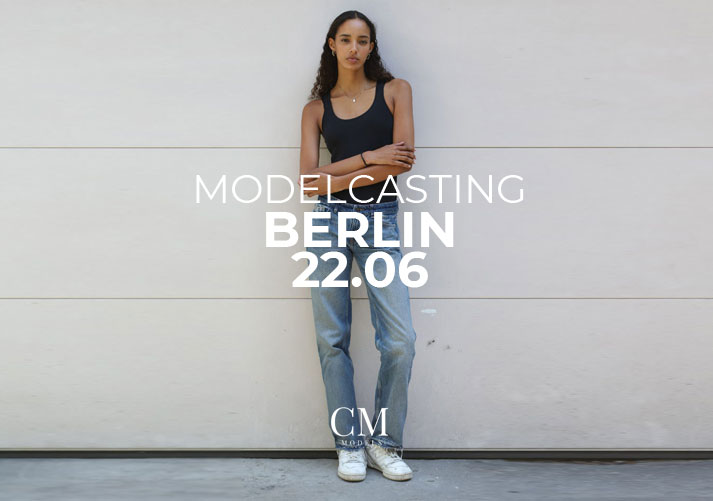
Modelagentur Casting am 22.06. in Berlin Mitte: Pre Fashion Week Berlin
Model Casting Barcelona 11.03.2025 - apply now! Date & registration
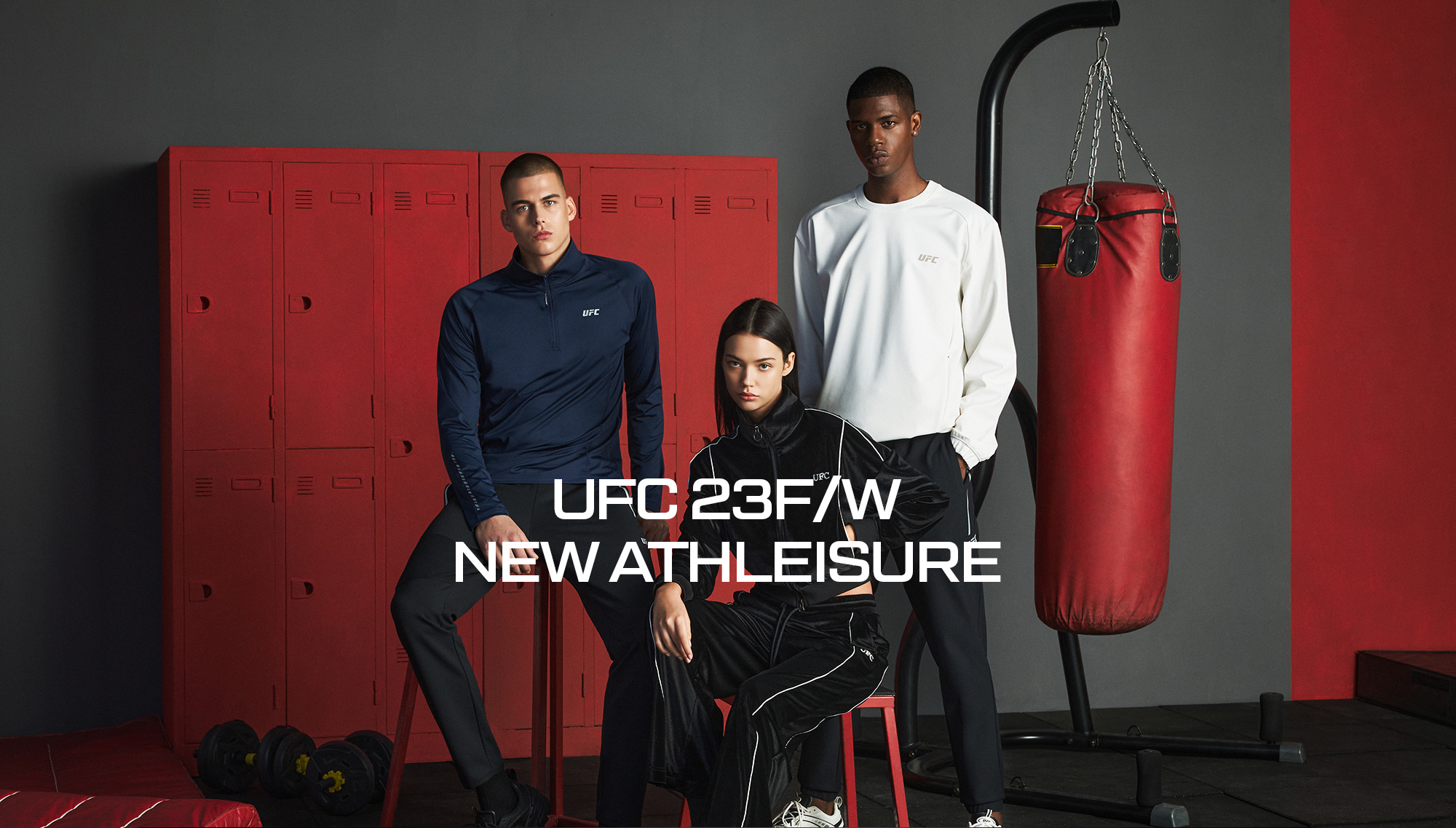
UFC Sport Kampagne in Seoul mit Simon

Models.com x CM Models Management

Vanity Fair Magazin mit Diletta Busin