Natural Cosmetics: Foundation, Bronzer, Blush, Concealer and More
Sensitive skin and makeup – for many, that sounds like a contradiction. But once you understand which ingredients actually harm your skin and which ones nourish it, you’ll never want to reach for conventional cosmetics again. Natural cosmetics isn’t a compromise – it’s a conscious upgrade for your skin, your well-being, and the environment. The best part? You can easily make your own foundation, bronzer, blush, concealer, and even mascara – using natural ingredients, some of which you probably already have at home.
Why Conventional Makeup Harms Your Skin
Most drugstore products contain a range of ingredients that can cause real problems for sensitive skin. Parabens act as preservatives but are suspected of interfering with hormone balance. Silicones sit on the skin like a plastic film and prevent it from breathing – the result is blemishes and clogged pores. Polyethylene glycol (PEG) works as an emulsifier but at the same time weakens the skin’s natural barrier. Paraffins and other petroleum-based ingredients provide short-term smoothness but dry out the skin in the long run. Synthetic fragrances are by far the most common trigger for contact allergies.
Anyone who avoids all of this and relies instead on plant oils, mineral pigments, and natural waxes gives their skin exactly what it really needs. Natural cosmetics nourishes rather than just covers up.
The Most Common Problem Ingredients at a Glance
- Parabens (preservatives, hormonally active)
- Silicones (clog pores)
- Polyethylene glycol (damages the skin barrier)
- Paraffins (petroleum-based, depleting)
- Synthetic fragrances (most common allergen source)
- Mineral oils (occlusive film formers)
- Formaldehyde releasers (irritating, toxic)
The Most Important Basic Ingredients for Your DIY Natural Cosmetics Kit
Before you start making your own products, it’s worth building a solid stock of basic ingredients. These raw materials are versatile and form the foundation for almost any natural makeup.
“The best natural cosmetics recipes don’t need long ingredient lists. A few high-quality raw materials often achieve better results than industrially manufactured products with twenty ingredients.”
Plant Oils and Waxes
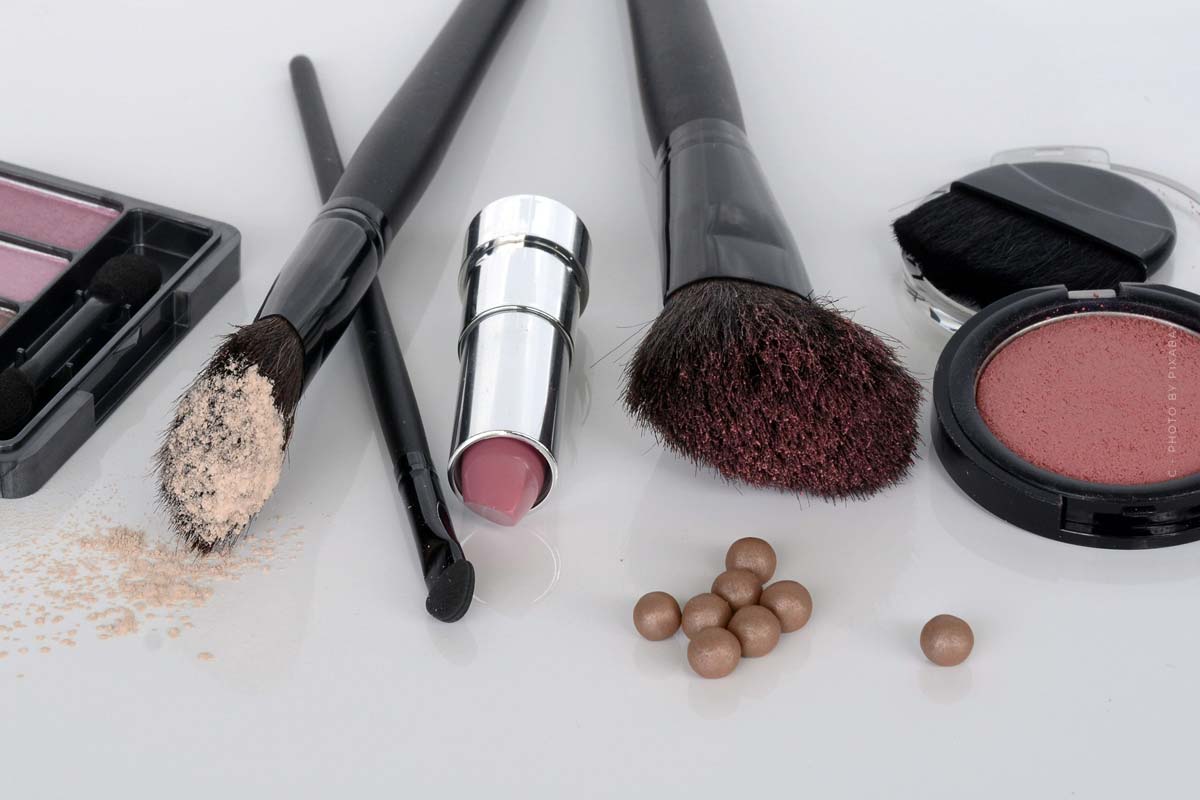
Jojoba oil is the ideal base oil: it’s skin-identical, non-comedogenic, and keeps makeup on the skin for a long time. Coconut oil is excellent for concealer thanks to its antimicrobial properties. Beeswax or plant-based candelilla wax gives lip products and pressed blushes the consistency they need. Shea butter gives foundation a creamy finish while providing intense nourishment at the same time.
Mineral Pigments and Natural Colorants
Zinc oxide is essential for natural cosmetics: it’s anti-inflammatory, mattifying, and also offers a natural SPF of around 15. Iron oxides in red, yellow, black, and brown let you mix almost any skin tone. Cocoa powder and cinnamon serve as natural bronzer components. Red clay and dried hibiscus flowers deliver the typical blush tones.
Making Your Own Natural Cosmetics: Step-by-Step Recipes
DIY Natural Foundation
For light to medium coverage, mix two teaspoons of arrowroot powder with one teaspoon each of zinc oxide and your desired amount of iron oxides. Then add half a teaspoon of cocoa powder for depth and stir everything with a few drops of jojoba oil into a smooth paste. Coverage and pigmentation can easily be adjusted by varying the amounts. The big advantage: you know exactly what ends up on your skin – no hidden silicones, no parabens.
DIY Bronzer and Blush
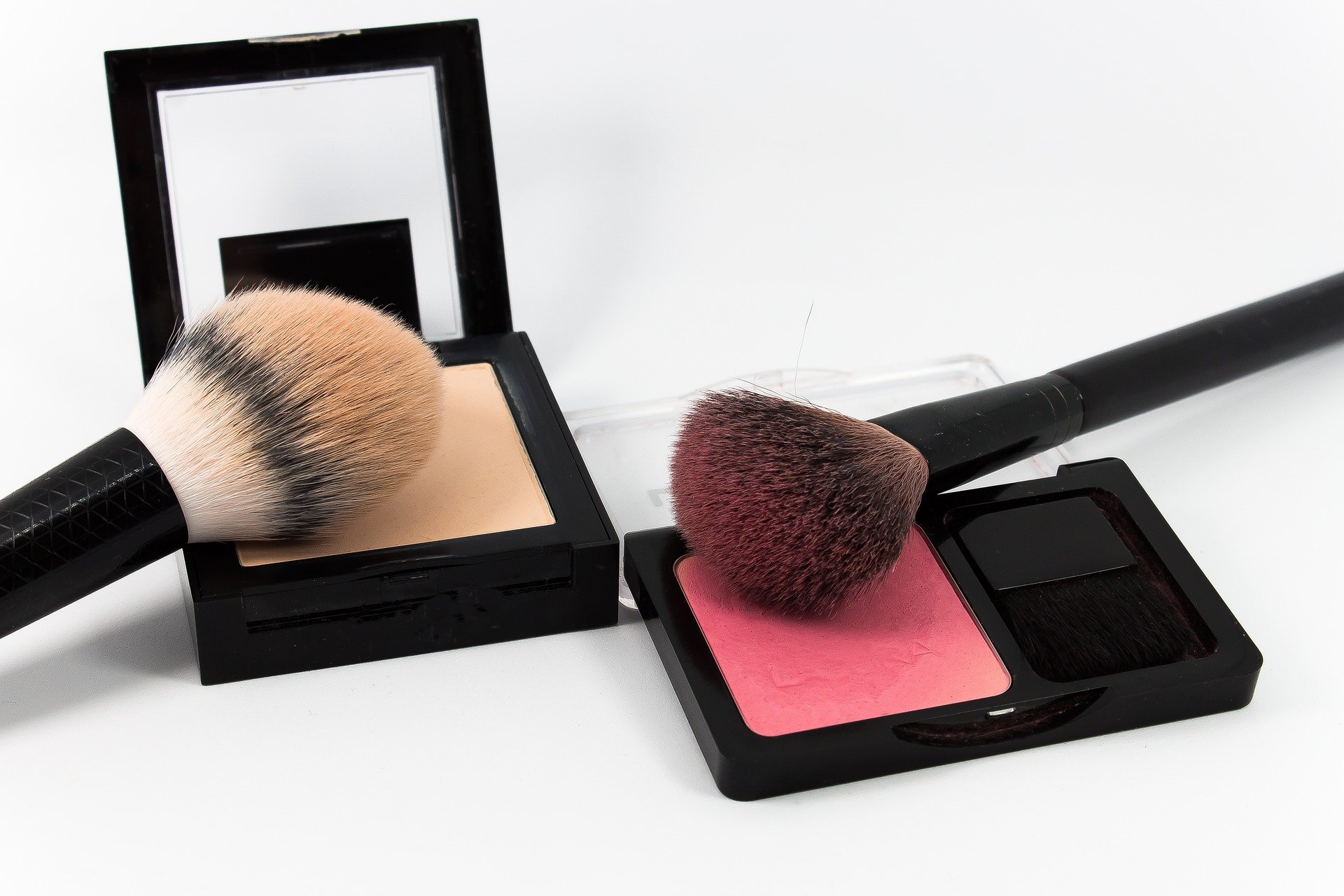
A silky bronzer comes together from three teaspoons of arrowroot powder, one teaspoon of cocoa powder, a pinch of cinnamon, and a bit of yellow iron oxide. For a warmer shimmer, add a little gold mica – available in certified natural cosmetics quality. For a rose-gold blush, replace the cocoa with red clay and mix in a bit of rose essence or dried hibiscus powder.
DIY Concealer for Flawless Skin
Concealer needs more coverage than foundation. Mix one teaspoon of shea butter with half a teaspoon of coconut oil and carefully melt both in a water bath. Once cooled, stir in zinc oxide and iron oxides in whatever ratio matches your skin tone. Stored in the fridge, this mixture easily keeps for several weeks.
DIY Mascara Based on Natural Cosmetics
Activated charcoal is the heart of any natural mascara: it’s deep black, finely ground, and skin-friendly. Mix a pinch of activated charcoal with half a teaspoon of coconut oil and a drop of plant-based glycerin. You can refine the consistency with a bit of aloe vera gel. Fill the result into an empty mascara tube – and your plastic-free, all-natural mascara is ready.
Comparison: Natural Cosmetics vs. Conventional Makeup
| Criterion | Conventional Makeup | Natural Cosmetics (DIY) |
|---|---|---|
| Skin Compatibility | Often problematic for sensitive skin | Very high, individually adjustable |
| Ingredients | Silicones, parabens, mineral oils | Plant oils, minerals, waxes |
| Environmental Impact | Microplastics, petroleum products | Biodegradable, plastic-free |
| Cost | Medium to high | Low (raw materials reusable) |
| Skin Tone Customization | Limited to available shades | Fully custom-mixable |
| Unopened Shelf Life | Several years | A few weeks to months |
| Certifiability | Rarely organic-certified | Raw materials NATRUE/BDIH-certifiable |
Your Shopping List: Natural Cosmetics Starter Kit
With this basic kit you can make all of the products listed above, and you’ll also have laid the foundation for many more natural cosmetics experiments:
- Arrowroot powder (or rice starch)
- Zinc oxide (non-nano, cosmetic grade)
- Iron oxides in red, yellow, black, brown
- Jojoba oil (cold-pressed, organic)
- Shea butter (unrefined, organic)
- Coconut oil (virgin, cold-pressed)
- Candelilla wax or beeswax
- Activated charcoal powder (food grade)
- Cocoa powder (unsweetened, organic)
- Red clay (illite, cosmetic grade)
- Plant-based glycerin
- Mica (cosmetic grade, certified)
Checklist: Before Starting Your First Natural Cosmetics Recipe
- ☐ Order raw materials in cosmetic grade
- ☐ Sterilize tools (spoons, bowls, tweezers)
- ☐ Have clean, sealable containers ready
- ☐ Do a patch test with every new raw material
- ☐ Write the production date on every product
- ☐ Store cool and away from light
- ☐ Write down recipes and vary them
- ☐ Never inhale zinc oxide (wear a mask)
Frequently Asked Questions
How Long Does Homemade Natural Cosmetics Last?
Water-free products like bronzer powder or pressed blushes last almost indefinitely if stored dry. Moist or oil-based formulas like concealer creams should be used up within four to eight weeks. Refrigeration significantly extends shelf life. As soon as the smell or color changes, you should throw the product away.
Can I Buy Natural Cosmetics Instead of Making Them Myself?
Absolutely. When buying, look for certifications like NATRUE, BDIH, or Ecocert, since these enforce strict guidelines on permitted ingredients. Brands like Lavera, Dr. Hauschka, Logona, or Ere Perez offer certified natural cosmetics in the makeup category. Still, always read the INCI list – not every “natural” label means genuine natural cosmetics.
Is Natural Cosmetics Suitable for Very Dry or Oily Skin Too?
Yes, and that’s one of the biggest advantages. For dry skin, you can simply increase the oil content in recipes and rely on nourishing shea butter. For oily or blemish-prone skin, reduce coconut oil (comedogenic) and rely more on jojoba or hemp oil, which help regulate sebum production. Zinc oxide is both mattifying and anti-inflammatory for oily skin at the same time – ideal, in other words.
Which Pigments Are Really Safe for the Skin?
Cosmetically approved iron oxides (CI 77491, CI 77492, CI 77499) and non-nano zinc oxide are considered very well tolerated. Important: only buy pigments in cosmetic grade, never artist paints or food coloring. Mica should ideally be certified to make sure it’s free of heavy metal contamination. If you have sensitive skin, be cautious with ultramarine blue and chromium oxides.