Model agency without minimum size: Measurements and weight
Many dream of a modeling career – and fail on the first page of every agency website because of a single number. 1.75 m, 1.78 m, sometimes even 1.80 m minimum height. Those who don’t reach this mark often read: “Unfortunately, you don’t meet our requirements.” But is that really true? Is there a model agency without a minimum height requirement that actually offers real jobs – not just empty promises? The answer is more complex than a simple yes or no. And it depends on which segment you’re targeting, how you build your portfolio, and whether you really understand the differences between the modeling segments. This text will show you everything.
Why minimum heights exist – and when they don’t apply
Minimum sizes are not arbitrary. They stem from a very specific production logic: Haute Couture and High Fashion are tailored on garments that exist in ready-to-wear sizes 34 to 36. When a dress flows on the runway, it must hang at a specific body height to ensure hemline height, proportions, and visual impact are correct. This is craftsmanship, not discrimination.
The minimum height of a model agency for this segment typically lies at 175 cm for women, often at 177–180 cm for international runway bookings. For men, 185–190 cm is standard. These numbers are set in showrooms, at the New York Fashion Week or the Paris Fashion Week and are dictated by designers, not by agencies.
But: High Fashion is only one segment. And by far not the most profitable one.
- Haute Couture: strict size requirements
- Editorial: less rigid, but proportion decides
- Advertising/Campaigns: Type matters more than size
- Curvy/Plus: own size chart, no standard 36
- Commercial: wide range, often without size limit
The Model Segments and Their Real Size Requirements
Commercial and Lifestyle: The Largest Job Volume
Commercial Models – also Models for catalogs, online stores, commercials, and corporate communication – account for the lion’s share of all bookings. Here, it’s not about hemlines, but about recognizability, authenticity, and target group fit. A woman portraying a family scenario for an insurance campaign doesn’t need to be 1.78 m tall. A man showcasing workwear doesn’t need to be 1.90 m tall.
Who wants to work as a model with larger sizes will also find realistic opportunities here. Important: Measurements and requirements vary greatly depending on the client. A serious agency will map you to the segment that suits you – and won’t promise a runway career if your profile is more suitable for retail campaigns.
- Catalog: Size 36–44, depending on the brand
- Online store: often more flexible than brick-and-mortar retail
- Commercial: Type and expression over measurements
- Corporate: Authenticity is key
Curvy and Plus-Size: Own size chart, own rules
Become a curvy model doesn’t mean waiting for bookings. It’s an independent, growing market segment. The measurements for curvy models typically range from women’s ready-to-wear size 42–48, with a height of at least 170 cm. Some agencies set 168 cm as the lower limit – but not 175 cm.
What matters are proportions and body control, not the absolute weight. Those applying for this area should understand: There are also size charts here. The difference is that they are calibrated differently.
“I am asked every day whether a certain size disqualifies. The honest answer: It depends on the segment. But those who ask often already have the wrong segment in mind. Most jobs are not given on the runway.”
Petite and smaller sizes: A niche segment with real demand
Models under 170 cm are considered “Petite” in the high fashion segment. In Germany, this segment is smaller than in the USA, where Petite collections are standard at major retailers. Nevertheless, there are bookings: for accessories, hand modeling, beauty campaigns, jewelry, cosmetics, or hair. Someone who is 165 cm tall, has an expressive face, and brings professional requirements for modeling has realistic chances – if the expectations match the market.
Measurements and Weight: What Agencies Really Check
The Specific Measurement Chart by Segment
| Segment | Women’s Size | Men’s Size | Ready-to-Wear Size | Weight (approximate) |
|---|---|---|---|---|
| High Fashion / Runway | 175–180 cm | 185–190 cm | 34–36 | No specification, proportions count |
| Editorial | 173–178 cm | 183–188 cm | 36–38 | No specification, proportions count |
| Commercial / Catalog | 168–176 cm | 180–188 cm | 36–40 | Proportional to size |
| Curvy / Plus-Size | 168–176 cm | 182–188 cm | 42–48 | Proportional to size |
| Petite / Accessories | 160–170 cm | no clear standard | 34–38 | Proportional to size |
Weight is not demanded as an absolute number by serious agencies. What matters is the ratio of weight to height – that is, proportion and body image in photos. A serious model agency will not tell you a weight limit, but will explain which segment you fit into and why.
What weight has to do with bookability
Weight influences bookability in an indirect way: clothing samples exist in specific sizes. Anyone who wants to be booked for runway castings must fit into size 36 – not because the agency demands it, but because the dress was produced that way. In the commercial sector, sample sizes are more varied. This is the market, not discrimination.
- Runway: The dress decides, not the agency
- Campaign: Styling is adjustable, flexibility is higher
- Beauty/Accessories: Body height is hardly relevant
- Fitness segment: own proportion standards
How to apply correctly – step by step
Strategically prepare your application
Before you contact an agency, you need to know which segment is realistic for you. Take a look at which models the agency has in their portfolio. Compare sizes, types, and segments. If you see that an agency exclusively represents high-fashion models, applying with a body height of 168 cm is not the right step – no matter how good you look.
For
Your Application Checklist
- ☐ Measure your own measurements accurately (height, ready-to-wear size, bust, waist, hip measurements)
- ☐ Realistically assess your own segment
- ☐ At least 3 current photos: front, side, face
- ☐ No filters, no editing on application photos
- ☐ Analyze the agency’s portfolio before applying
- ☐ Informed about costs – prefer Model agency without fees
- ☐ No advance payments made
- ☐ Model agency paying money? – Warning signal detected
- ☐ Checked possibility of modeling part-time
- ☐ Application submitted to CM Models: Apply now
Where you can apply
CM Models has locations in several German cities. Those living in Berlin, Hamburg or in the area of Frankfurt can be approached directly on site. For everyone else, online application works just as reliably – the first step is always the Casting at CM Models.
- Online application possible, no on-site appointment required
- Keep the cover letter short and clear
- Photos in JPG format, unedited
- State measurements completely
Anyone wondering how to contact a model agency should keep it simple and direct: name, age, measurements, photos – no novel.
Common questions – answered directly
What is the minimum height for CM Models to take on models?
CM Models works across segments. For high-fashion bookings, industry-standard heights apply starting at 175 cm (women) and 185 cm (men). For commercial, curvy and other areas, different requirements apply – here, the overall look matters, not a single number. There is no universal minimum height that applies to all segments.
Does weight matter more than height when choosing an agency?
No. Weight as a single number is not a criterion for any serious agency. What matters is the proportion – how your body looks in photos and whether you fit into the standard sizes of the respective segment. Anyone who gives you a weight limit without knowing your type, height and segment is not working professionally.
Can I work internationally as a smaller model?
On the London Fashion Week runway or the Milan Fashion Week runway, classic sizes are demanded without exception – this is market standard. However, being active internationally as a commercial model is also possible at 170 cm, especially if you look at London or New York, where petite and lifestyle segments are more developed than in Germany.
What do I earn as a model without a minimum height in smaller segments?
The fee depends on the client, the duration of use, and the medium – not on your height. A well-booked commercial model earns comparably to an editorial model. Detailed figures can be found in the article about
Model without a minimum height — Which jobs are possible?
The classic runway agency requires 178 cm? That’s true — for high fashion and the runway. However, the model market is much broader. Those who know the right segments can find regular bookings and attractive fees as a model even without a minimum height.
Which segments have no minimum height?
- Commercial and advertising: TV spots, print ads, and online campaigns rely on natural, credible types rather than runway proportions.
- Food campaigns: Food brands look for real people who embody enjoyment and everyday closeness.
- Family Advertising: Parents, children, grandparents — chemistry in the image counts, not the measuring tape.
- Hands and Feet Modeling: Jewelry, nail polish, and skincare campaigns book exclusively based on the quality of hands or feet.
- Hair Modeling: Shampoo and skincare product clients are interested in hair health, shine, and volume.
- Beauty Closeups: Makeup, skincare, and perfume campaigns require good skin condition.
- Fitness and Athletic (without Runway): Sportswear campaigns outside the catwalk book based on body definition and presence.
Realistic Size Ranges for Different Segments
- Commercial Women: from approximately 165 cm
- Commercial Men: from approximately 175 cm
- Petite Segment: 160–168 cm — specialized campaigns and brands
- Runway / High-Fashion: 174+ cm remains the standard
Customers Looking for Explicitly Diverse Body Sizes
- Real-People-Advertising: Campaigns that want to communicate closeness and credibility
- Food Brands: Supermarket advertising, meal kits, restaurant campaigns
- Telecommunications: Family tariffs, senior products, youth campaigns
- Insurance and financial service providers: Rely on trust, not glamour
Application without minimum size — what counts then?
- Proportions: Balanced body proportions are more important than absolute measurements.
- Presence: Natural self-confidence and camera presence cannot be replaced by centimeters.
- Reliability: Punctuality, professionalism, and uncomplicated cooperation are crucial in the commercial area.
- The right niche: Whoever knows their strengths — especially well-groomed hands, extraordinary hair, natural presence — should communicate them specifically.
Frequently asked questions
From what height do CM Models book models?
CM Models books commercial models from approximately 165 cm (women) and approximately 175 cm (men). In the niche modeling sector, there are no height requirements.
Are there jobs for models under 170 cm?
Yes. Commercial, food, family advertising, fitness and all niche areas regularly book models under 170 cm.
What is petite modeling?
Petite modeling refers to campaigns and brands that specifically use smaller models (approximately 160–168 cm).

Modeling in China BTS: Gaia from Paris talks about her experiences as a model in Beijng x Shanghai
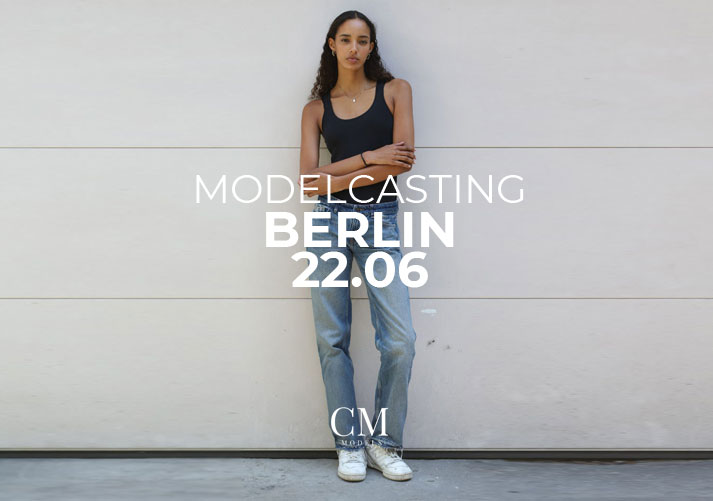
Model Agency Casting on 22 June in Berlin Mitte: Pre Fashion Week Berlin
Model Casting Barcelona 11.03.2025 - apply now! Date & registration
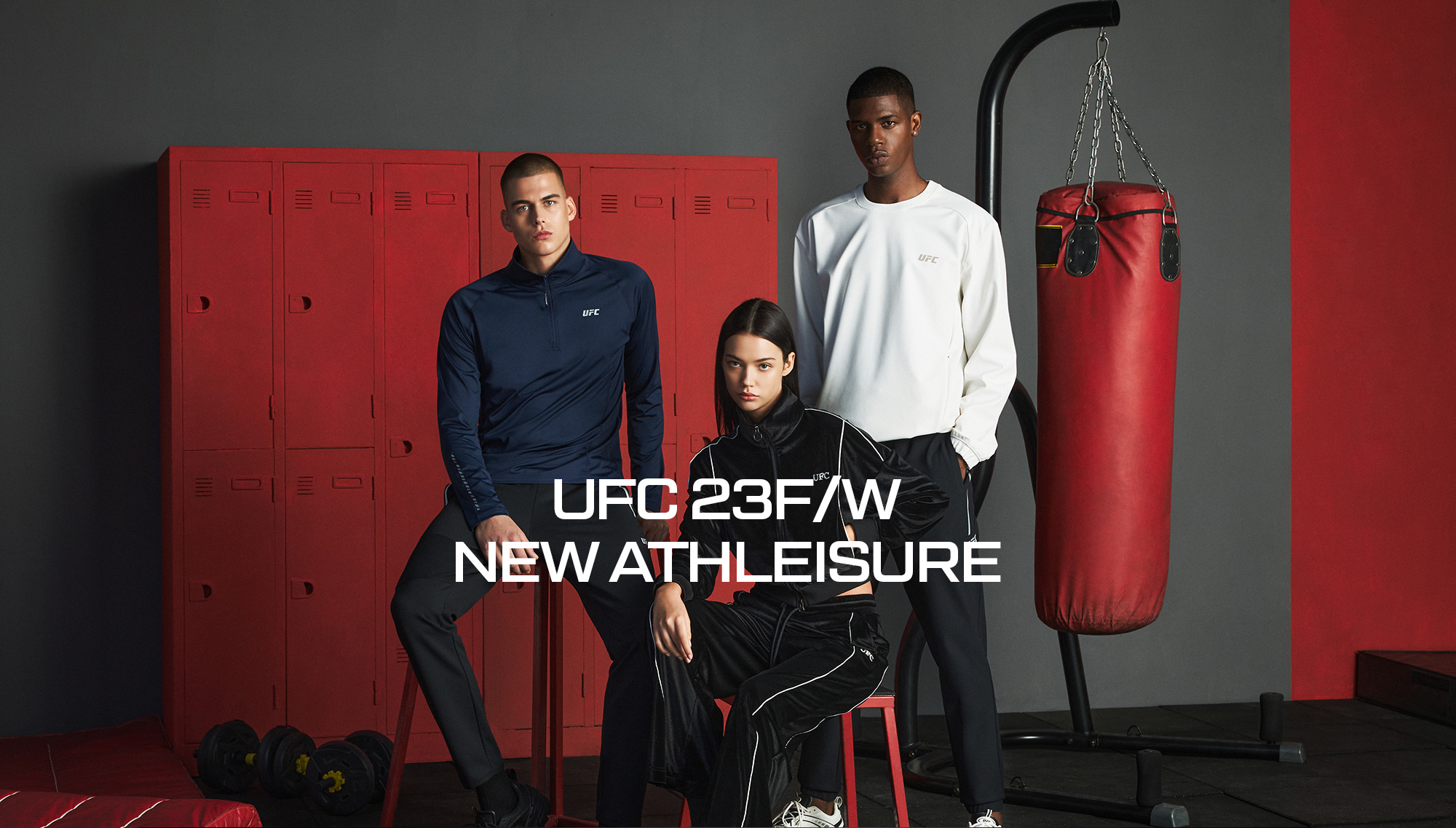
UFC Sport campaign in Seoul with Simon

Models.com x CM Models Management
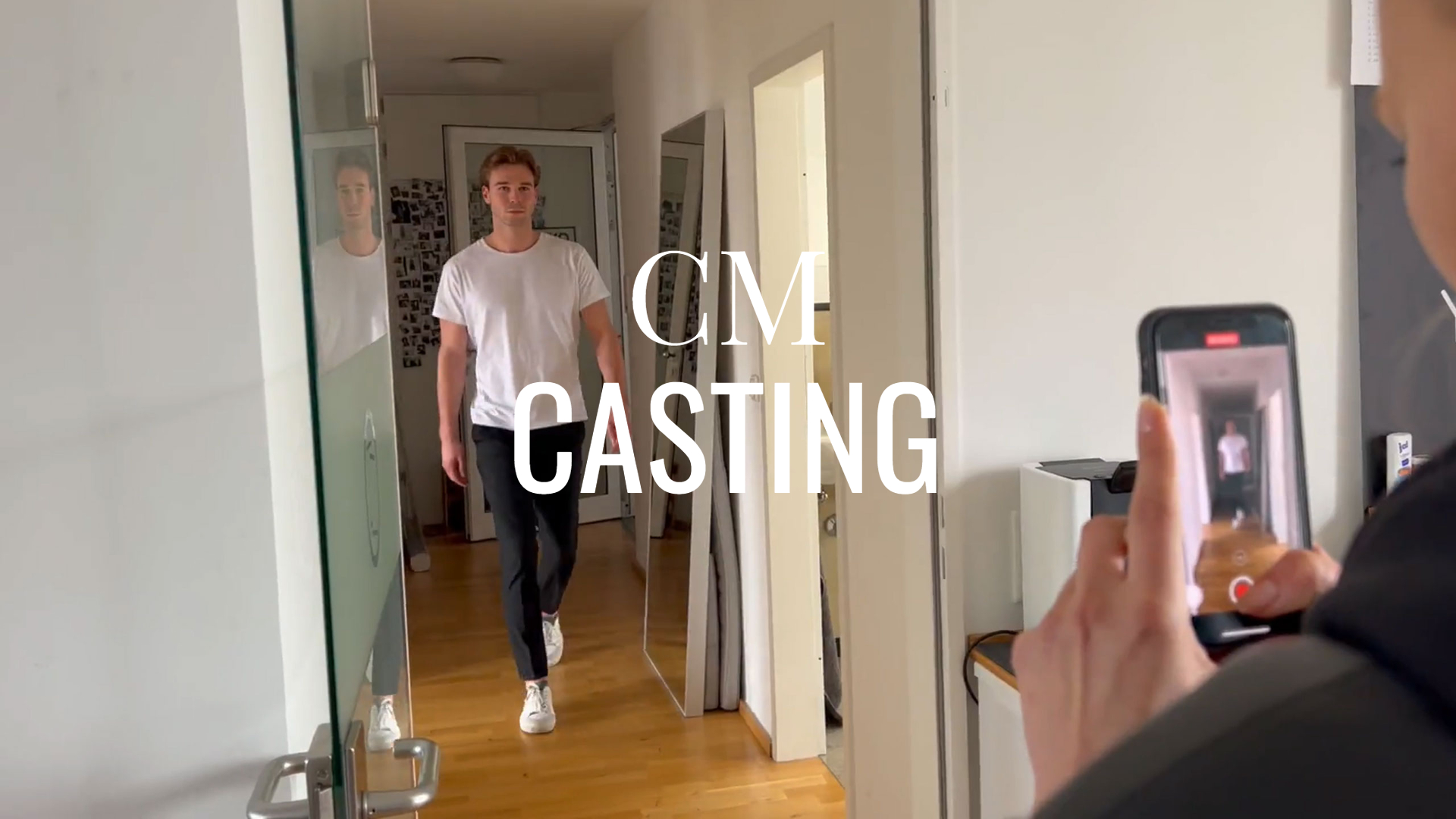
Insider: Impressions from our model casting!