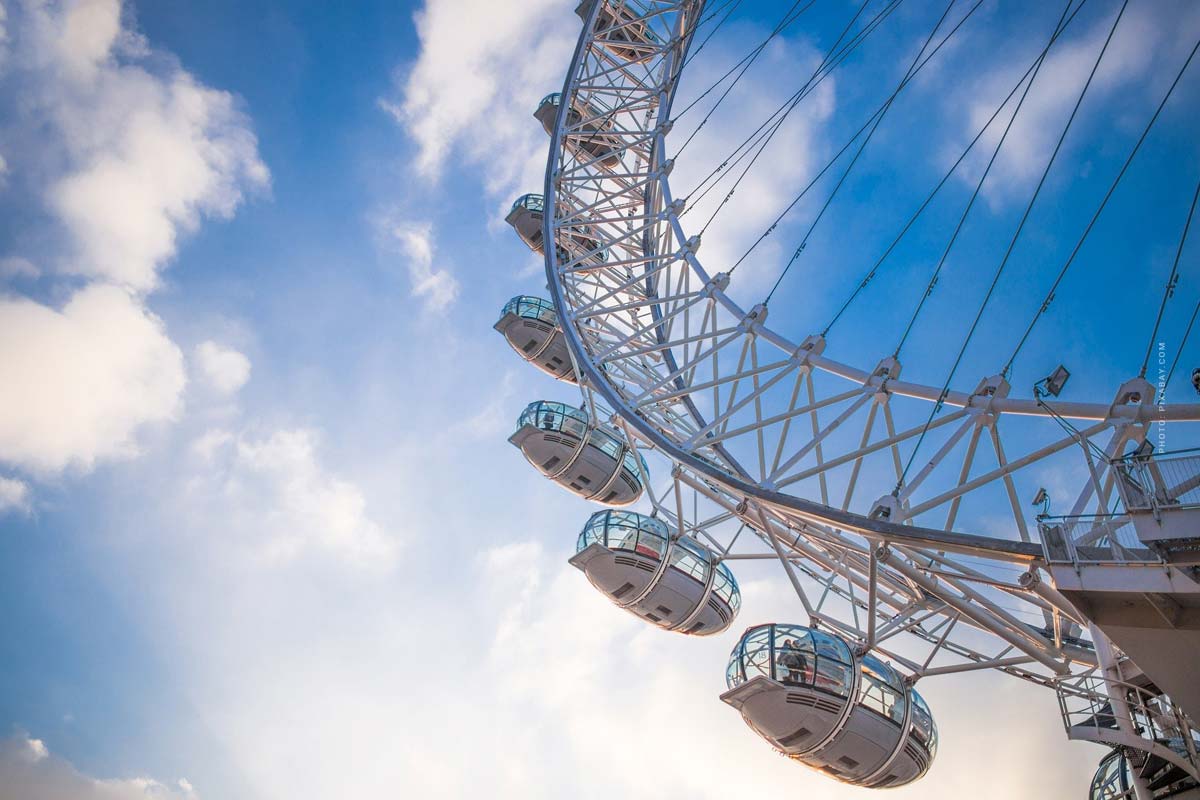
London Fashion Week: Designers, Runways & Shows
The London Fashion Week is more than just a fashion event – it is a global statement that brings together the most creative minds of the industry twice a year in a city known for rebellion, avant-garde, and bold aesthetics. Anyone who walks the coveted runways in London has passed one of the toughest selection stages in the entire fashion world. This guide shows you what really makes the LFW special, how it is structured – and what aspiring models need to know in order to one day stand on this very stage.
What makes the London Fashion Week so special
London is considered by insiders to be the most experimental of the four major fashion weeks. While Milan Fashion Week dates stand for luxury and craftsmanship and the Paris Fashion Week dates dominate haute couture, London thrives on its subculture DNA. Here, designers like Alexander McQueen, Vivienne Westwood, and Stella McCartney got their first big stage. The London Fashion Week is part of the so-called Big 4 Fashion Weeks, which also include New York, Paris, and Milan – and it is the only one of the four that consistently positions itself as a platform for emerging talents.
The LFW takes place twice a year: once for the spring/summer collections and once for autumn/winter. The exact London Fashion Week dates vary from season to season, but always follow the international fashion calendar. The event is organized by the British Fashion Council (BFC) and is generally only accessible to accredited professionals, buyers, journalists, and models – not a public spectacle, but a professional industry event.
“London is the only Fashion Week where you can really be surprised – by unknown designers who can change the industry overnight.”
– Experienced casting director, London
Course and structure of London Fashion Week
Showcases, presentations and installations
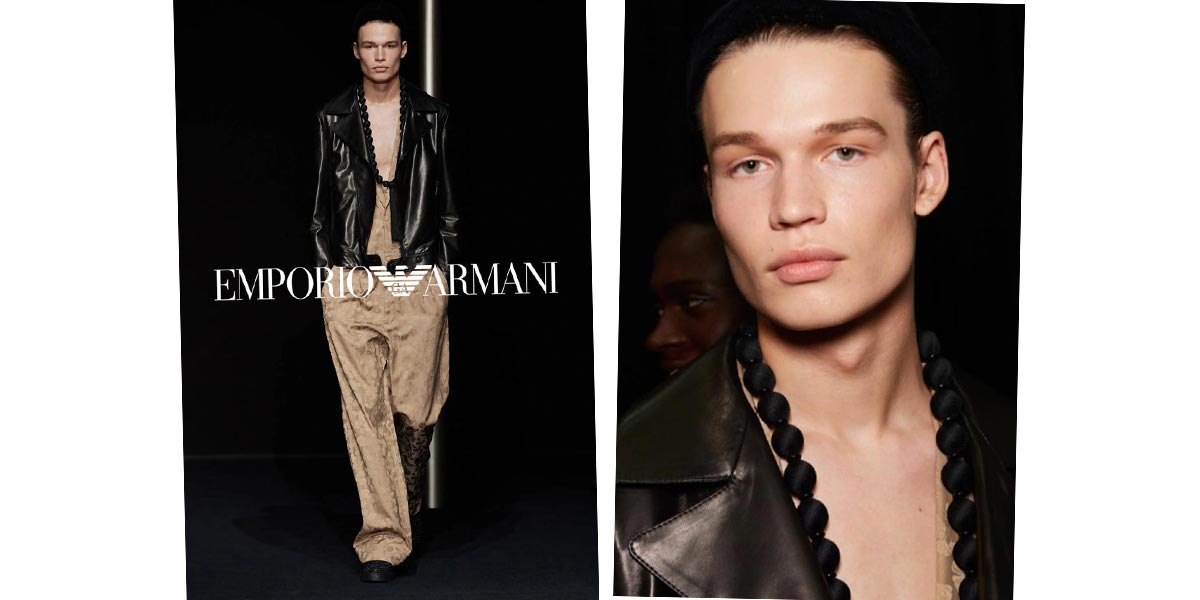
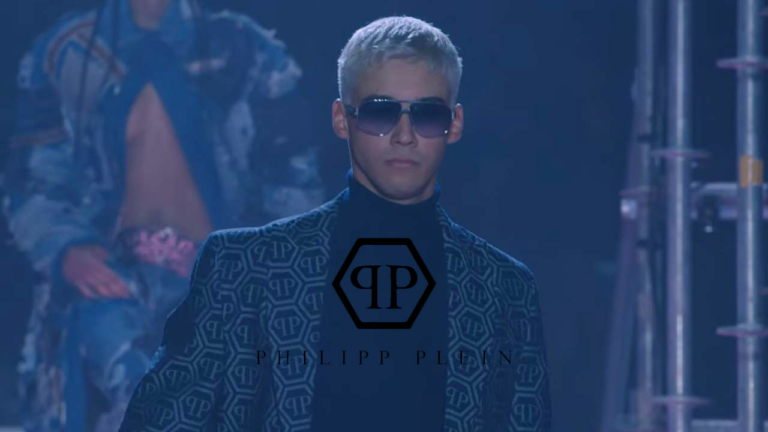
Not every designer chooses the classic runway format. While established labels stage spectacular catwalk shows in historic London locations such as Somerset House or the Natural History Museum, many newcomers opt for so-called presentations – where models pose in an exhibition setting, rather than walking. Installations and digital formats have increased significantly in recent seasons. For models, this means: versatility is in demand. Those who can only walk are limiting themselves. Our runway and catwalk tips will help you master both formats professionally.
The daily routine of a model during London Fashion Week
A modeling day in London usually starts early in the morning with fitting appointments, followed by hair and make-up, try-out walks, and finally the show itself. Between the shows, many models move around the city – a packed schedule with five to eight bookings per day is not uncommon. Those who want to know how intense it gets can find realistic insights in our article One day in a model agency. Agency support is essential. A reputable model agency coordinates your appointments, communicates with casting directors, and ensures that you are not double-booked.
Important designers and labels of the London Fashion Week
The strength of LFW lies in its mixture of establishment and subversion. Established Labels such as Burberry, JW Anderson and Erdem show their commercially strong collections, while newcomers from the platform “NewGen” – a support program of the British Fashion Council – get their first international attention. This combination makes London attractive for buyers, editors and especially for scout agencies, which are constantly looking for fresh faces. Learn more about systematic talent recognition in our guide to Model Scouting.
Also German fashion designers are occasionally present at LFW – especially those who embark on an international career path. Whoever has established themselves in the fashion scene in Germany can use the Fashion Week Berlin as a springboard before the way to London leads.
What distinguishes London designers from others
London designers experiment with materials, cuts, and concepts that would be commercially unthinkable in Milan or Paris. Political statements, queer aesthetics, sustainable material innovations – all of this has a firm place on London runways. As a model, you learn here not only to present clothing, but to embody an attitude.
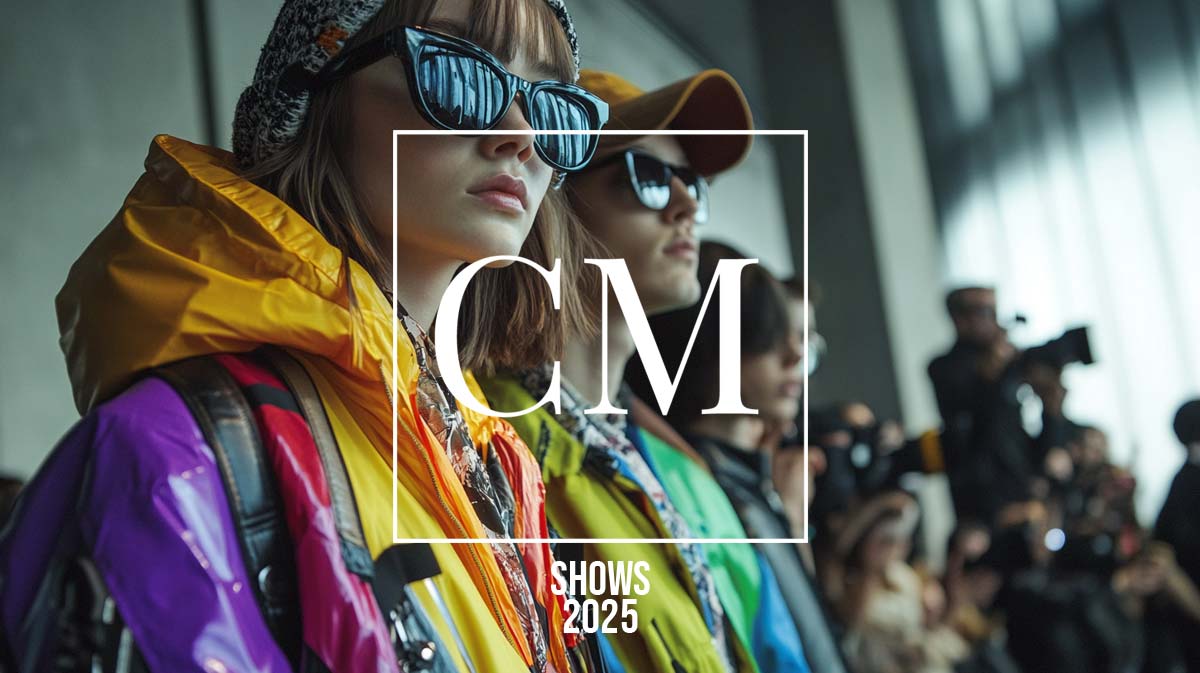
Walking the London Fashion Week as a model
What requirements you need
The path to a London runway begins long before the actual event. First, you need a strong foundation: Find out which requirements to become a model are relevant and how you can systematically build your way up. For international Fashion Weeks, strict measurement guidelines usually apply – inform yourself thoroughly about model measurements and requirements as well as minimum height for model agencies. Those who do not meet these classic requirements are not automatically excluded: In the area of becoming a curvy model and with becoming a model in larger sizes, the Fashion Week is increasingly opening up to diversity.
The way to the agency and casting
Without a strong agency behind you, an LFW booking is practically impossible. Designers work exclusively with verified agencies – this is the key to getting in. Take a look at how Become a model steps look in detail and how to professionally present yourself to a model agency. If you know how a casting at CM Models works, you can best prepare yourself for your first booking. Don’t forget to keep your model portfolio for casting up to date – it is your most important business card.
Who starts in Germany can find entry opportunities with a Model agency Berlin, a Model agency Hamburg, or can directly get information on Become a model Frankfurt. The international step often leads first to other fashion cities – for example, if you are considering starting as a Become a model in London or trying your luck as a Become a model in New York. For those who want to fully experience the adventure, Modeling abroad is also an exciting option.
Checklist: Preparation for an LFW Casting
- ☐ Current model portfolio with professional photos
- ☐ Measurements taken and documented
- ☐ Agency contract checked and signed
- ☐ Basic outfit prepared for castings
- ☐ Portfolio available digitally (PDF + Online link)
- ☐ Catwalk training completed
- ☐ Passport and documents for the UK ready
- ☐ Contact with the local agency confirmed
Overview: The Big 4 Fashion Weeks Compared
| Fashion Week | Character | Well-known Labels | Special Feature |
|---|---|---|---|
| London | Avant-garde, experimental | Burberry, JW Anderson | NewGen talent promotion |
| New York | Commercial, accessible | Ralph Lauren, Marc Jacobs | Strong retail orientation |
| Milan | Luxury, craftsmanship | Prada, Versace, Gucci | Focus on savoir-faire |
| Paris | Haute Couture, elegance | Chanel, Dior, Saint Laurent | Culmination of the calendar |
Career and Money: What You Really Earn as an LFW Model
The compensation for shows during the London Fashion Week varies greatly – from unpaid newcomer shows for up-and-coming designers to five-figure amounts for headliner bookings of established labels. Be sure to find out real numbers in advance: Our article What does a model earn? gives you an honest overview. Important: A serious agency will never ask for advance fees from you. Read more about this under Model agency pay fees? and learn how to find a model agency without fees.
Not every model starts full-time in the industry immediately. Especially at the beginning, it’s worth understanding how modeling part-time works – this can also be a legitimate entry into a big international career. Those looking for an agency that doesn’t require a minimum size can also find support here: Model agency without minimum size shows you which agencies are really open to diverse applications.
- Newcomer shows: often unpaid, but valuable
- Established labels: daily rate starting at 500 £
- Top bookings: four- to five-digit figures possible
- Agency share: usually 20 % of the fee
- Additional costs: travel, accommodation often at your own expense
If you’re ready to take the next step, then apply now and start your way to the London Fashion Week.
Frequently asked questions about the London Fashion Week
Can you attend the London Fashion Week as a regular visitor?
No – the London Fashion Week is generally not publicly accessible. Entry is only granted to accredited industry professionals, journalists, buyers, and invited guests. Some designers, however, offer complementary pop-up events or digital streams that are made accessible to the public.
Which agency can take me to the London Fashion Week?
International top agencies with offices in London – such as Storm Models, Select Model Management or Elite London – regularly book for LFW shows. In Germany you can start with an overview of the Top 10 Model Agencies and apply specifically to agencies with an international network. Preparing for the casting is an essential step.
How long does the London Fashion Week last?
The London Fashion Week usually lasts about five days. During this time, several shows, presentations and industry events take place every day. Models with multiple bookings are engaged from early morning until late evening – physical and mental endurance are essential.
What is the difference between a show and a presentation at the LFW?
In a classic show, models walk one after another along the catwalk – the format usually lasts ten to twenty minutes. During a presentation, models pose in outfits for a set period of time while visitors move freely through the space. Presentations offer buyers and journalists more time to examine the collection in detail – and are completely different for models in terms of discipline.

Private Jet Charter for Shoots, Fashion Week and Business: PrivateJets.one Joins CM Models as New Partner
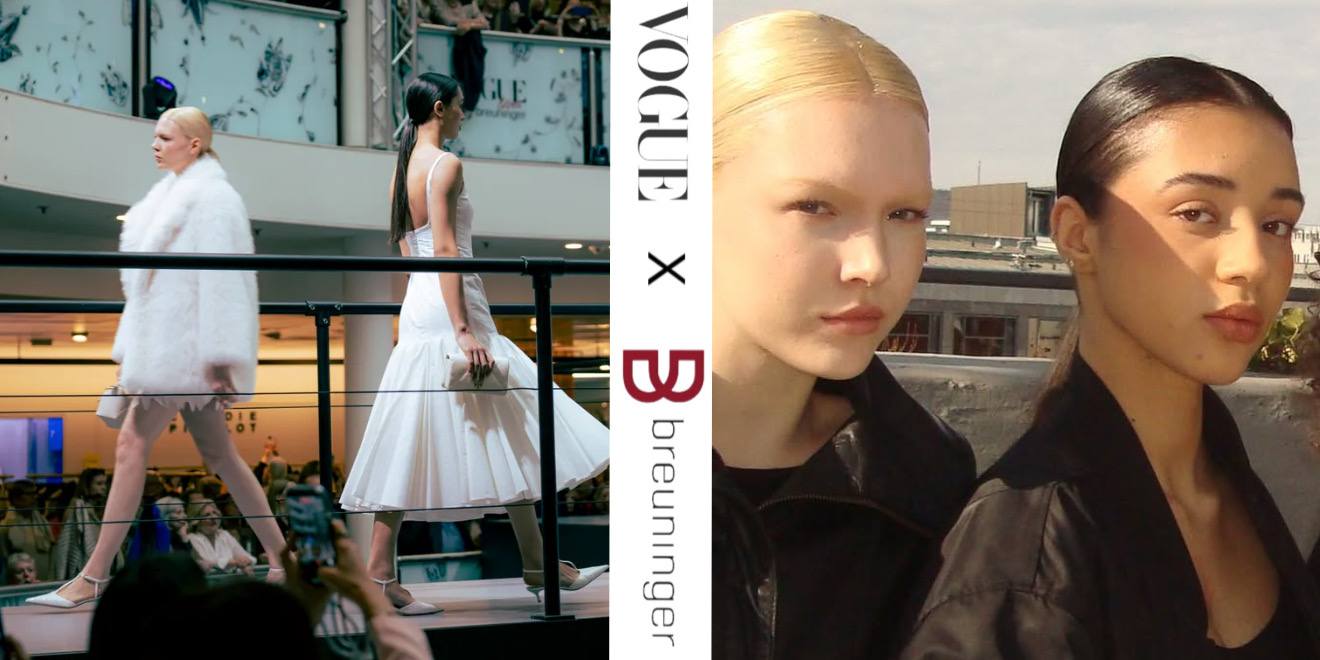
Runway Debut: Ariane and Luisa for Vogue x Breuninger
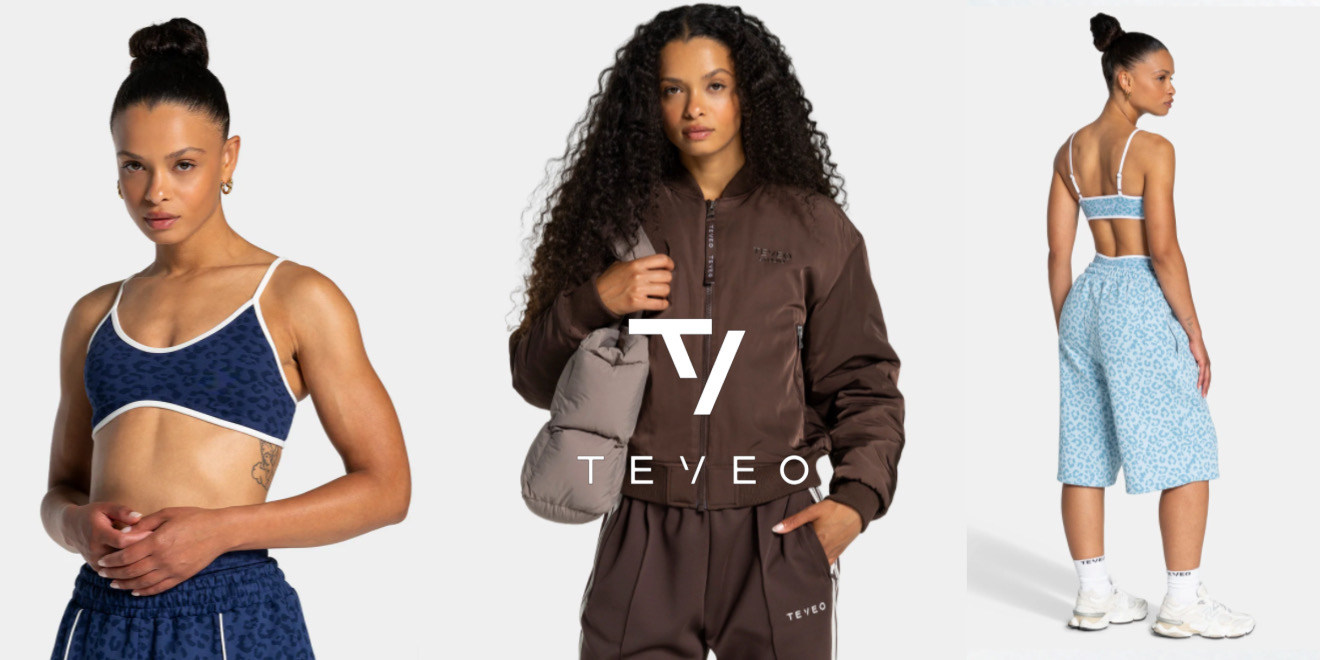
Amie Bangura for TEVEO's New Contrastline

Artur Ritter für Adidas Running x Courir - Model in Paris
Anton Kundrus für enfin levé - Edge und Minimalismus trifft auf High-Performance Fashion

Char Goodrick for the Puma Middle East campaign - When cool models are meeting cool brands















Leave a Reply
Want to join the discussion?Feel free to contribute!