



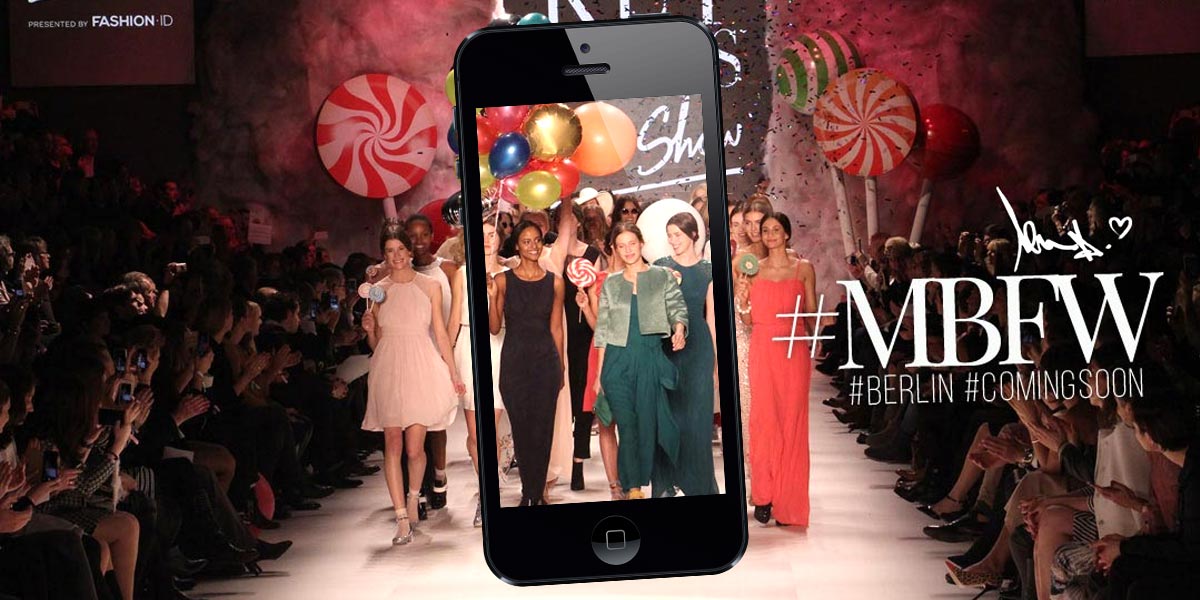


Magermodel Gesetz: Dünne Models werden in Frankreich verboten
Frankreich macht Ernst: Ein neues Gesetz verbietet den Einsatz von Models, die einen bestimmten Body-Mass-Index unterschreiten – ohne ärztliches Attest gibt es keine Buchung mehr. Was für viele längst überfällig ist, löst in der Modebranche heftige Diskussionen aus. Was steckt hinter dem Gesetz, was bedeutet es für Models und Agenturen – und könnte Deutschland bald nachziehen?
Das neue Gesetz im Überblick: Was in Frankreich jetzt gilt
Die französische Nationalversammlung hat ein Gesetz verabschiedet, das den Einsatz sogenannter Magermodels auf Laufstegen, bei Fotoshootings und in Werbekampagnen unter Strafe stellt. Konkret: Jedes Model, das beruflich tätig sein möchte, muss ein ärztliches Attest vorlegen, das bestätigt, dass der Gesundheitszustand mit der Modelarbeit vereinbar ist. Liegt dieses Attest nicht vor und unterschreitet das Model einen definierten BMI-Wert, drohen Geldstrafen von bis zu 75.000 Euro – und in schweren Fällen sogar Freiheitsstrafen für verantwortliche Personen wie Agenturchefs oder Auftraggeber.
Frankreich ist damit eines der ersten Länder weltweit, das solche Regelungen gesetzlich verankert. Israel hatte bereits zuvor ähnliche Schritte unternommen, und auch Spanien sowie Italien hatten auf Branchenebene Mindest-BMI-Vorgaben eingeführt – allerdings ohne gesetzliche Verbindlichkeit. Wer sich für die Voraussetzungen Model werden interessiert, stößt nun auch auf diese gesundheitspolitische Dimension des Berufs.
Was bedeutet BMI als Maßstab konkret?
Der Body-Mass-Index berechnet sich aus Körpergewicht in Kilogramm geteilt durch das Quadrat der Körpergröße in Metern. Ein BMI unter 18,5 gilt medizinisch als Untergewicht. Das Gesetz orientiert sich an Richtwerten, die von einem beauftragten Arzt individuell beurteilt werden – es gibt also keine starre Zahl, sondern eine ärztliche Einzelfallentscheidung. Das ist wichtig: Natürlich schlanke Menschen, die gesund sind, können weiterhin modeln. Das Gesetz richtet sich gegen krankhaftes Untergewicht, das durch die Anforderungen der Branche ausgelöst oder verstärkt wird.
Für alle, die wissen möchten, welche Model Maße und Voraussetzungen heute gelten, ist dieses Gesetz ein Wendepunkt. Die Branche muss umdenken – und das ist gut so.
Hintergrund: Warum die Modewelt dieses Gesetz gebraucht hat
Die Debatte über Magermodels ist so alt wie die Modeindustrie selbst. Doch sie hat in den vergangenen Jahrzehnten eine zunehmend ernste medizinische Dimension bekommen. Essstörungen wie Anorexie und Bulimie sind unter Models überproportional häufig verbreitet. Studien zeigen, dass der gesellschaftliche Druck, einem bestimmten Körperideal zu entsprechen, direkt mit der visuellen Allgegenwart extrem schlanker Models in Verbindung steht.
„Die Modebranche hat jahrzehntelang ein Körperbild propagiert, das biologisch für die meisten Menschen unerreichbar ist. Wer dieses Bild täglich konsumiert, verändert seine Wahrnehmung des eigenen Körpers – das ist wissenschaftlich belegt und moralisch nicht länger vertretbar.”
Besonders betroffen sind junge Frauen, die eine Karriere als Model anstreben. Viele beginnen bereits im Teenageralter, ihren Körper den vermeintlichen Anforderungen der Branche anzupassen – oft ohne professionelle Begleitung. Wer sich fragt, wie Model werden Schritte heute aussehen sollten, dem sei gesagt: Gesundheit kommt vor Konfektionsgröße.
Die Rolle der Agenturen und Auftraggeber
Bislang lag die Verantwortung für das Wohlbefinden der Models oft im Graubereich. Agenturen konnten behaupten, sie hätten keinen Einfluss auf das Gewicht ihrer Talents. Auftraggeber buchten einfach die schlankstes verfügbaren Models. Das neue Gesetz schließt diese Lücke: Wer ein Model ohne gültiges Attest bucht oder vermittelt, macht sich strafbar. Damit sind erstmals alle Glieder der Kette in der Pflicht.
Eine seriöse Modelagentur hat das schon immer so gesehen. Der gesundheitliche Zustand der Models ist keine Randnotiz, sondern Teil des professionellen Standards. Die Top 10 Modelagenturen weltweit haben in der Vergangenheit eigene Richtlinien entwickelt – doch freiwillige Selbstverpflichtungen reichten offenbar nicht aus.
Internationale Reaktionen und Vergleich der Regelungen
Das französische Gesetz steht nicht allein. Verschiedene Länder haben unterschiedliche Ansätze gewählt, um das Problem anzugehen. Die folgende Tabelle gibt einen Überblick:
| Land | Regelung | Verbindlichkeit | Konsequenzen |
|---|---|---|---|
| Frankreich | Ärztliches Attest Pflicht, BMI-Kontrolle | Gesetzlich | Geld- und Freiheitsstrafe |
| Israel | BMI-Mindestgrenze für Models | Gesetzlich | Werbeverbot, Geldstrafe |
| Spanien | Mindest-BMI auf Laufstegen | Branchenvereinbarung | Ausschluss von Shows |
| Italien | Gesundheitszertifikat empfohlen | Freiwillig | Keine direkten Strafen |
| Deutschland | Keine spezifische Regelung | – | – |
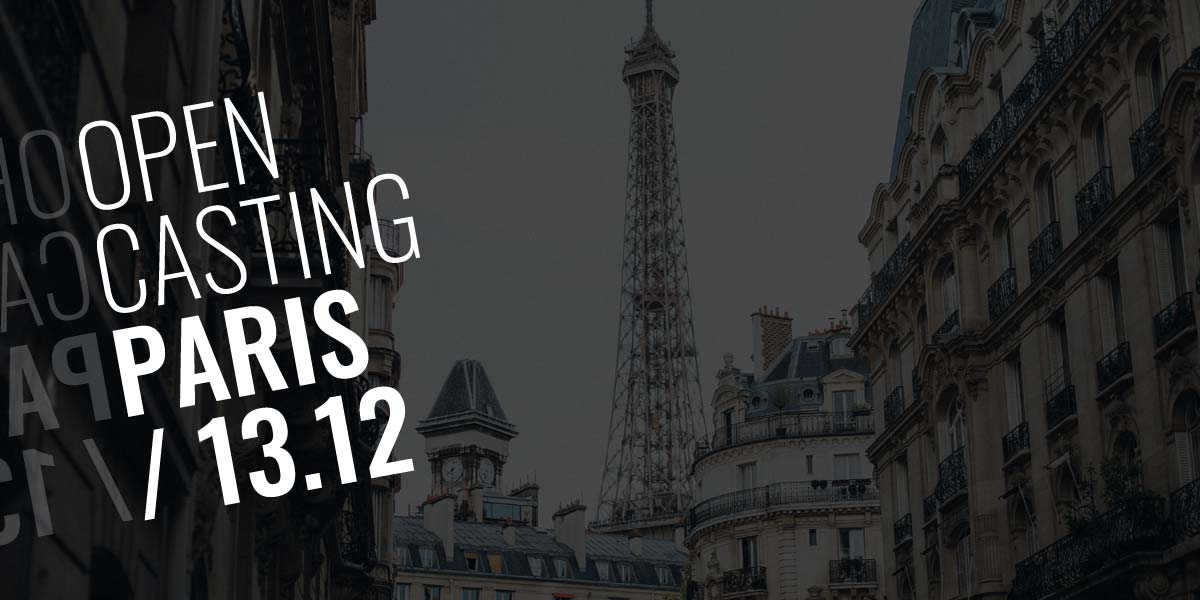
Interessant ist, dass ausgerechnet Paris als Zentrum der Modewelt nun diese Vorreiterrolle einnimmt. Wer die Paris Fashion Week Termine verfolgt, wird in Zukunft auf einem Laufsteg sehen, der einem anderen Standard folgt. Gleiches gilt für andere große Shows: Die Mailand Fashion Week Termine, die London Fashion Week Termine und die New York Fashion Week Termine werden früher oder später nachziehen müssen – oder zumindest den Druck spüren.
Was bedeutet das für internationale Models?
Wer als Model in Frankreich arbeiten möchte – egal ob aus Deutschland, den USA oder Asien – muss das Attest vorweisen. Nationalität spielt keine Rolle. Das betrifft besonders Models, die auf internationalen Laufstegen unterwegs sind. Wer Model werden in London oder Model werden in New York möchte und dabei auch Frankreich als Markt im Blick hat, sollte diese neue Anforderung fest einplanen.
Was das für angehende Models in Deutschland bedeutet
Deutschland hat zwar noch keine vergleichbare Gesetzgebung, doch der gesellschaftliche Wandel ist spürbar. Immer mehr Auftraggeber, Fotografen und Agenturen setzen auf Vielfalt – und das nicht nur aus ethischen Gründen, sondern weil Konsumenten es einfordern. Wer heute ein Casting bei CM Models macht oder sich überlegt, wie man sich auf ein Casting vorbereiten sollte, stellt fest: Authentizität und Gesundheit sind gefragter denn je.
Chancen für Curvy Models und Plus-Size-Talent
Die Verschiebung weg vom Extrem-Schlanksein öffnet Türen für Models abseits klassischer Konfektionsgrößen. Der Markt für Curvy Model werden ist gewachsen – und wächst weiter. Wer die klassischen Maße nicht erfüllt, muss sich deswegen nicht entmutigen lassen. Es gibt Model werden große Größen als echte Karriereoption, und viele Agenturen suchen explizit nach Vielfalt. Eine Modelagentur ohne Mindestgröße kann dabei der richtige Einstieg sein.
Auch regional gibt es gute Anlaufstellen: Ob Modelagentur Berlin, Modelagentur Hamburg oder Model werden Frankfurt – die Nachfrage nach gesunden, authentischen Models ist überall gestiegen.
Checkliste: Was du als angehendes Model jetzt beachten solltest
- ☐ Gesundheitscheck beim Arzt durchführen lassen
- ☐ BMI und Allgemeinzustand dokumentieren
- ☐ Auf Agenturen ohne Mindestgröße setzen
- ☐ Modelmappe für Casting professionell aufbauen
- ☐ Keine unseriösen Angebote annehmen
- ☐ Prüfen: Modelagentur Geld bezahlen? Nein!
- ☐ Agentur auf Modelagentur ohne Gebühren prüfen
- ☐ Eigene Grenzen klar kommunizieren
Modeln als Beruf: Gesundheit, Geld und Realismus
Das Gesetz in Frankreich ist auch ein guter Anlass, den Beruf Model realistisch zu betrachten. Wie viel verdient man wirklich? Was kostet der Einstieg? Wer sich fragt, was verdient ein Model, wird feststellen: Die Spanne ist enorm. Zwischen einem gut gebuchten Laufstegmodel und einem Einsteiger liegen Welten. Wer modeln nebenberuflich betreiben möchte, hat realistische Chancen – ohne dabei Gesundheit und Wohlbefinden zu opfern.
Wer eine Agentur sucht, sollte sie sorgfältig prüfen. Das beginnt beim Modelagentur anschreiben und hört beim Vertragscheck nicht auf. Außerdem lohnt sich ein Blick auf Laufsteg und Catwalk Tipps, um sich gezielt vorzubereiten – körperlich wie mental. Und wer wissen möchte, welche deutschen Talente es bis nach oben geschafft haben, findet Inspiration bei den deutschen Modedesignern und den Geschichten hinter der Branche. Die Big 4 Fashion Weeks und die Fashion Week Berlin zeigen, wohin die Reise geht – und das Bild verändert sich.
- Gesundheit ist kein Hindernis, sondern Grundlage
- Vielfalt erhöht deine Buchungschancen
- Seriöse Agenturen kosten keine Aufnahmegebühren
- Ein Attest kann deine Karriere absichern
- Authentizität schlägt Idealmaß
Wenn du bereit bist, den nächsten Schritt zu gehen, dann jetzt bewerben und zeigen, was du kannst – mit Gesundheit, Haltung und echtem Talent.
Häufige Fragen zum Magermodel-Gesetz
Gilt das Gesetz nur für französische Models?
Nein. Das Gesetz gilt für alle Models, die in Frankreich beruflich tätig sind – unabhängig von ihrer Herkunft. Wer in Paris auf dem Laufsteg steht oder für einen französischen Auftraggeber vor der Kamera arbeitet, braucht das ärztliche Attest. Nationalität schützt nicht vor der Pflicht zur Vorlage.
Was passiert, wenn eine Agentur ein Model ohne Attest bucht?
Die Agentur sowie der Auftraggeber machen sich strafbar. Es drohen Geldstrafen bis zu 75.000 Euro und in schwerwiegenden Fällen auch Freiheitsstrafen. Die Verantwortung liegt ausdrücklich nicht nur beim Model, sondern bei allen beteiligten Parteien der Buchungskette.
Hat das Gesetz Auswirkungen auf Models in Deutschland?
Direkt betroffen sind deutsche Models nur, wenn sie in Frankreich arbeiten. Indirekt setzt das Gesetz jedoch ein Signal für die gesamte Branche. Der gesellschaftliche und wirtschaftliche Druck auf deutsche Agenturen und Auftraggeber, ähnliche Standards einzuführen, wird mittelfristig steigen. Wer die Mindestgröße Modelagentur kennt, weiß: Standards ändern sich – und das ist eine gute Entwicklung.
Können schlanke Models überhaupt noch in Frankreich arbeiten?
Ja, selbstverständlich. Das Gesetz richtet sich nicht gegen natürliche Schlankheit, sondern gegen krankhaftes Untergewicht. Wer von Natur aus schlank ist und medizinisch gesund, erhält das Attest problemlos. Es geht darum, Essstörungen zu bekämpfen und die Gesundheit von Models zu schützen – nicht darum, einen bestimmten Körpertyp zu diskriminieren.
Französische Marken: Damen x Herren - Mode von Chanel, Balmain & Louis Vuitton

Céline Videos: Modenschauen, Werbespots, VIP´s & Interviews
Cafés in Paris: Vegane Kuchen, Brunch & Kaffee
Kaffeetrinken an der Champs Elysee - Top 10 Cafés in Paris
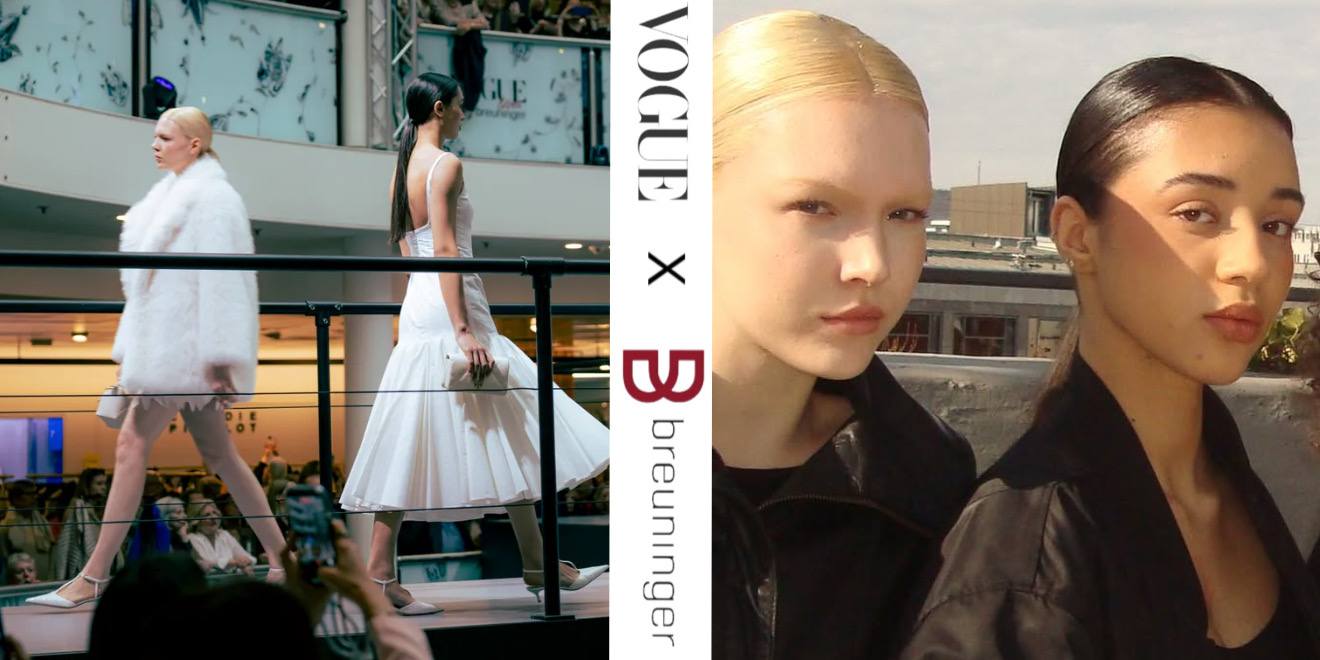
Runway Debut: Ariane and Luisa for Vogue x Breuninger

Snipes x Adidas with Ariane in Berlin - New Streetwear










Leave a Reply
Want to join the discussion?Feel free to contribute!