





Fairtrade Brands: Women x Men – Fashion from Acne Studios, Stella McCartney & Bleed Clothing
Fairtrade fashion is still seen by many as a compromise between style and conscience – yet those who today wear collections from Acne Studios, Stella McCartney or Bleed Clothing prove the opposite. Sustainable high fashion is no longer a niche topic, but the new quality standard for people who want to know where their clothing comes from. This guide shows you what Fairtrade clothing really means, which brands consistently meet this claim – and how you as a model or fashion enthusiast can benefit from it.
What does Fairtrade really mean when it comes to clothing?
The term “fair” sounds simple – but it isn’t. Fairtrade clothing meets a complex bundle of social, economic and ecological requirements that must be adhered to throughout the entire supply chain. No single link may fall away.
The four pillars of fair production
- Self-determination of producers
- Basic workers’ rights without exception
- Living wages for all involved
- No health risks from chemicals
This means specifically: seamstresses in Bangladesh, weavers in Peru, or dyers in India must receive wages from which they can actually live – not just the legal minimum wage, which often lies far below the subsistence level. Those interested in modeling as a side job and who value an authentic image benefit from supporting and wearing Fairtrade brands.
Eco Standards as a Requirement
Alongside social criteria, the ecological component is crucial. Materials such as organic cotton, Tencel, Lyocell, or recycled polyester represent production processes that do not burden soils or water bodies. Certifications such as GOTS (Global Organic Textile Standard) or bluesign® provide guidance. Those applying to a reputable model agency and wanting to establish themselves in the fashion industry should know these standards – customers from the sustainability segment specifically ask about them.
“True sustainability in fashion doesn’t start with the material – it starts with the question of whether the person who processed this material will be able to wake up healthy tomorrow.”
Comparing Fairtrade Brands: Acne Studios, Stella McCartney & Bleed Clothing
Three brands, three philosophies – but a shared claim: fashion that you can wear with a clear conscience. The following overview highlights the most important differences at a glance.
| Brand | Segment | Material Focus | Certifications | Price Class |
|---|---|---|---|---|
| Acne Studios | Luxury / High Fashion | Organic Cotton, Wool | Own Sustainability Policy | €€€€ |
| Stella McCartney | Luxury / Vegan | Tencel, Recycled Nylon | B Corp, Canopy | €€€€ |
| Bleed Clothing | Streetwear / Outdoor | Organic Cotton, Tencel | GOTS, Fair Wear Foundation | €€ |
The Swedish label stands for reduced aesthetics and artisanal perfection. Acne Studios has significantly expanded its sustainability strategy in recent years: transparency in the supply chain, a gradual shift to certified materials, and investments in durable products rather than fast trend changes. Models who want to book Milan Fashion Week dates or Paris Fashion Week dates regularly encounter Acne Studios as a key client – another reason to know the brand’s values.
Stella McCartney – Vegan and Luxury as One
Stella McCartney is considered a pioneer of sustainable luxury fashion. No real fur, no leather, no exotic skins – this has been the principle since the brand’s founding, not a trend. The Brit works with innovative materials such as Mylo (leather alternative made from mushroom mycelium) and focuses on transparent communication with customers and the public. Those interested in becoming a model in London come across this brand early on – McCartney significantly shapes the British fashion scene sustainably. The label is also regularly represented at the London Fashion Week.
Bleed Clothing – Fairtrade from Germany, accessible for all
Bleed Clothing shows that Fairtrade doesn’t have to be expensive. The German label produces in GOTS-certified facilities, is a member of the Fair Wear Foundation, and uses exclusively ecologically certified materials. Particularly strong: the range for women and men is equally extensive, cuts are practical and long-lasting. For people who want to try modeling as a side job, Bleed also offers opportunities in the area of streetwear shootings and sustainable campaigns.
Women vs. Men: How fair is Fairtrade fashion depending on the target group?
An often overlooked aspect: Fairtrade fashion is not always equally accessible for all genders. While women’s collections at Acne Studios and Stella McCartney are traditionally more extensive, the men’s segment has made significant progress in recent seasons.
Men’s collections – the underestimated growth market
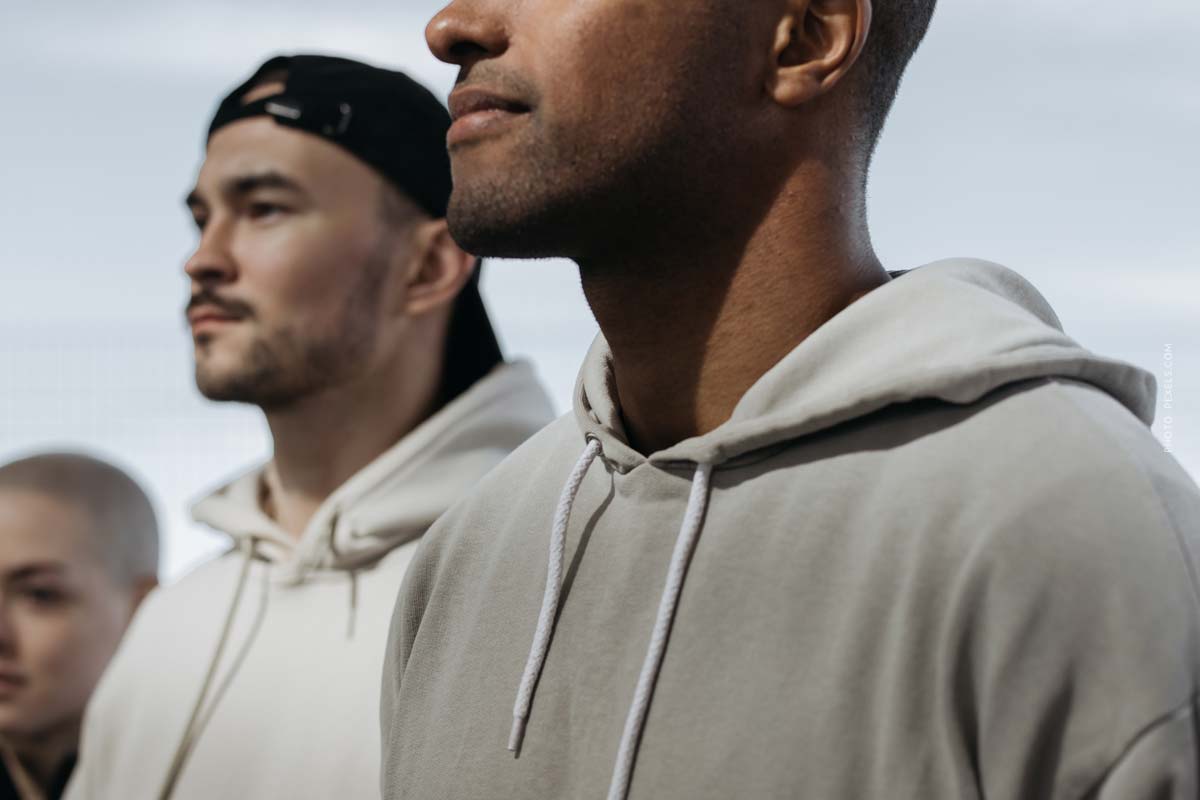
Sustainable men’s clothing is growing faster than the women’s segment – this is partly due to the fact that many men today deliberately ask about quality and origin, rather than following fast trends. Bleed Clothing has reacted early to this trend and offers everything from joggers to structured blazers in GOTS-certified quality. For male models who want to build their model portfolio for casting, the collaboration with sustainable brands opens up interesting perspectives for image campaigns.
Ladies’ collections – Diversity as a statement
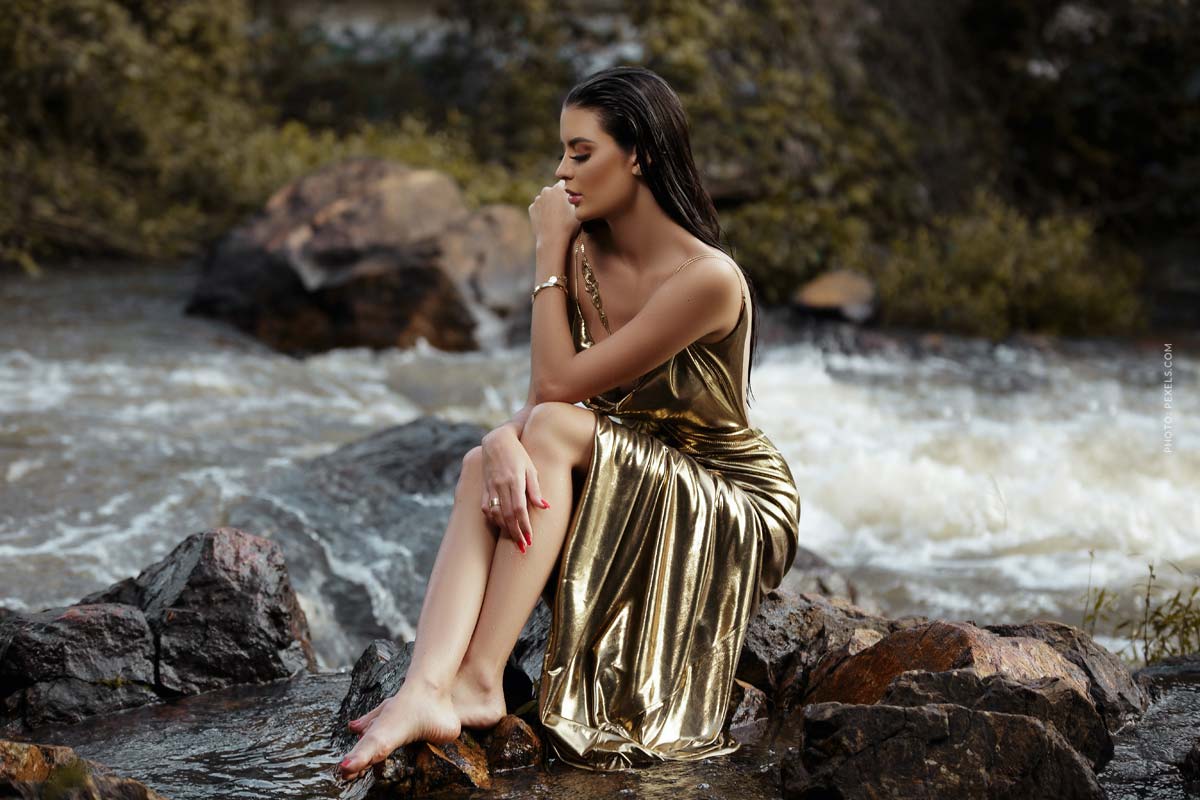
When it comes to ladies’ collections, the range is the most developed. Stella McCartney has basics, formalwear, and evening wear in her portfolio. Acne Studios stands out with avant-garde cuts that reinterpret the classic body – this explicitly includes becoming a model in larger sizes and curvy models. Those who want to become a curvy model will increasingly find open doors in sustainable luxury brands.
How to recognize real Fairtrade fashion – your checklist
Not every brand that has “sustainable” on the label lives up to its promises. Greenwashing is a real issue. With this checklist, you can recognize genuine Fairtrade quality:
- ☐ Check for GOTS or bluesign® certification
- ☐ Check membership in the Fair Wear Foundation
- ☐ Supply chain clearly presented on the website
- ☐ Complete material information on the label
- ☐ No real leather, no real fur (vegan brands)
- ☐ Producers named or regionally specified
- ☐ B Corp certification as a bonus signal
The same applies to models: Anyone who wants to impress at a casting at CM Models should know the brands they are applying for. Good preparation also means understanding the label and its values – this shows professionalism. Tips on this can be found under preparing for a casting.
Fairtrade fashion and the model career – how are they connected?
Sustainability is no longer a side topic in the fashion world. Major events like the Big 4 Fashion Weeks are increasingly featuring sustainable brands as participants. Those who want to work in this segment as a model need not only the right model measurements and requirements, but also an authentic understanding of the brand’s values.
Model agencies in Germany and internationally are increasingly focusing on the personal profile of their talents. A model agency Berlin or a model agency Hamburg regularly arranges jobs in the sustainability segment today. The topic is also present when becoming a model in Frankfurt or internationally – whether becoming a model in New York. For everyone who still has their first steps ahead: You will find the most important steps to becoming a model in our detailed guide.
Especially important: Anyone who is seriously considering entering the industry should prefer a Model agency without fees and know whether a Model agency can pay money. The answer is clear: Reputable agencies do not ask for advance payments. More about what you can earn as a model is shown in our salary article.
- Fairtrade brands are looking for authentic faces
- State sustainability values in your portfolio
- Prepare for castings – including brand research
- Opt for German fashion designers with a sustainable line
- Use runway and catwalk tips for fashion shows
If you’re ready to take the next step: Apply now and show that style and poise go hand in hand.
FAQ: What makes Fairtrade clothing more expensive than conventional fashion?
Fairtrade clothing costs more because fair wages, safe working conditions, and certified materials must be financed along the entire supply chain. Conventional fast fashion shifts these costs onto seamstresses, the environment, and future generations. The higher price of Fairtrade items is not a luxury surcharge – it is the actual price of responsible production.
FAQ: Is there Fairtrade fashion also for plus sizes or curvy models?
Yes, and the selection is growing. Bleed Clothing and Stella McCartney have expanded their size ranges. Those who want to work as curvy models or are looking for information about model agencies without minimum height requirements will increasingly find inclusive brands in the sustainable segment that consciously focus on diversity – both in their collections and in the casting of their campaigns.
FAQ: How can I recognize greenwashing in fashion brands?
Greenwashing can be recognized by the use of vague terms such as “eco-friendly” or “green” without mentioning certificates or concrete evidence. Genuine Fairtrade brands openly name the countries of production, suppliers, and certification bodies. If a brand provides no or only partial such information, caution is advised. The checklist in this article helps you with the check.
FAQ: Can I specifically cast for sustainable brands as a model?
Absolutely. Many sustainable brands are actively looking for models who share their values and can authentically represent them. A good model portfolio for casting with the appropriate profile and a convincing appearance at casting events with CM Models open doors. Anyone who meets the requirements to become a model and also has an interest in sustainable fashion has a real competitive advantage in the Fairtrade segment.
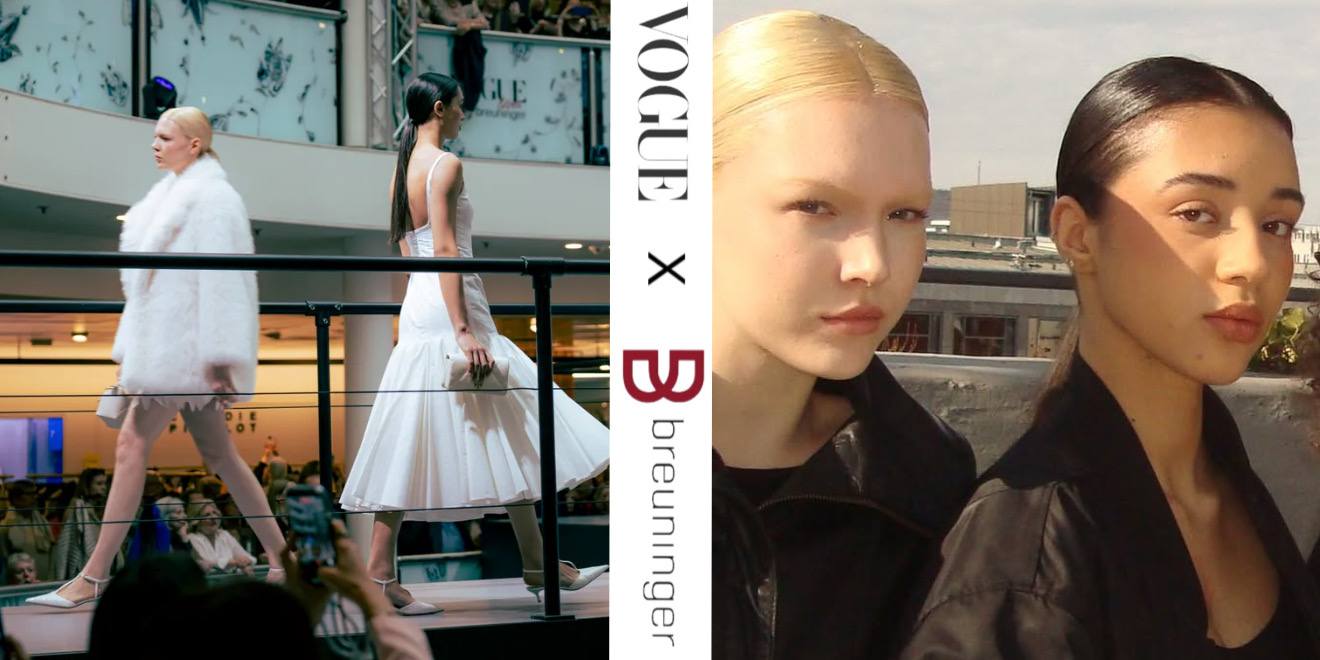
Runway Debut: Ariane and Luisa for Vogue x Breuninger
Vivienne Westwood Videos: Eleganz und Punk vereint

Medienagentur: Foto, Video, Modenschau + Social Media
Philipp Plein: Luxusmarke, Designer & Geschichte
Gant: Lifestyle-Marke, Sportmode, Düfte & Home-Collection

Gant Videos: Modenshows, Projekte und Interviews