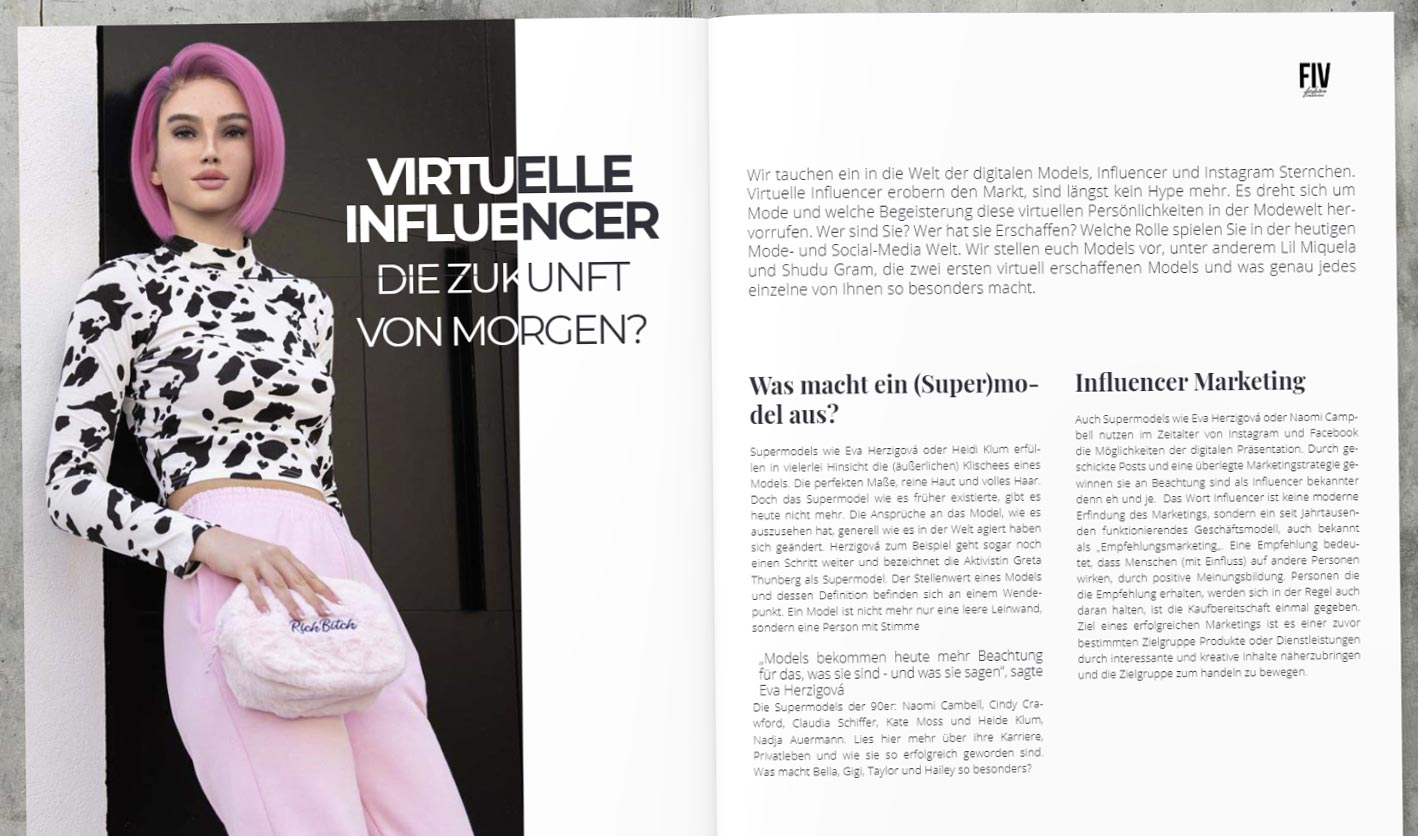
“Virtual Influencers: The Future of Tomorrow?” – First Magazine Article in Germany
Virtual influencers are no longer a science fiction concept – they comment on outfits, promote brands, and accumulate millions of followers without ever setting foot in a real photo studio. The fact that FIV Magazin published its own report on the digital avatars Zoe and Ella in its sixth issue as the first German-language fashion magazine is more than just a editorial gag – it’s a statement. Alongside interviews with Sarina Nowak, Kasia Lenhardt, and the cover story with Louisa Mazzurana, two figures who neither eat nor sleep, but still keep up with every trend, are in focus. What’s behind the hype? And what does it mean for real models and the industry as a whole?
Zoe & Ella: Germany’s first digital cover girls
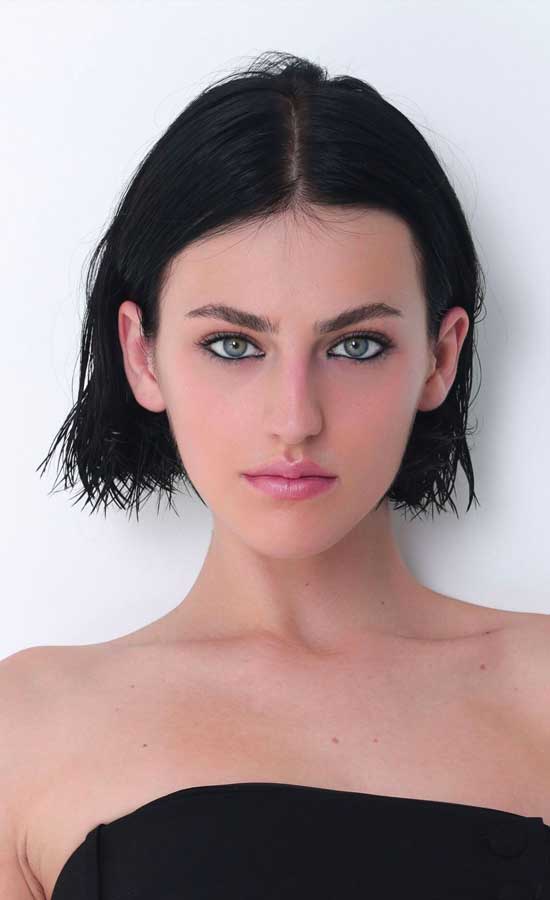
With the new issue of FIV Magazin (Issue #6), German fashion press is entering new territory. While international publications have already been reporting for some time on CGI figures such as Lil Miquela or Imma, the German-speaking market has been cautious so far. Zoe and Ella are changing that. The two virtual avatars were specifically developed for the German-speaking market and embody two different aesthetics: Zoe represents a clean, minimalist street style look, while Ella represents a more dramatic, editorial-driven visual language.
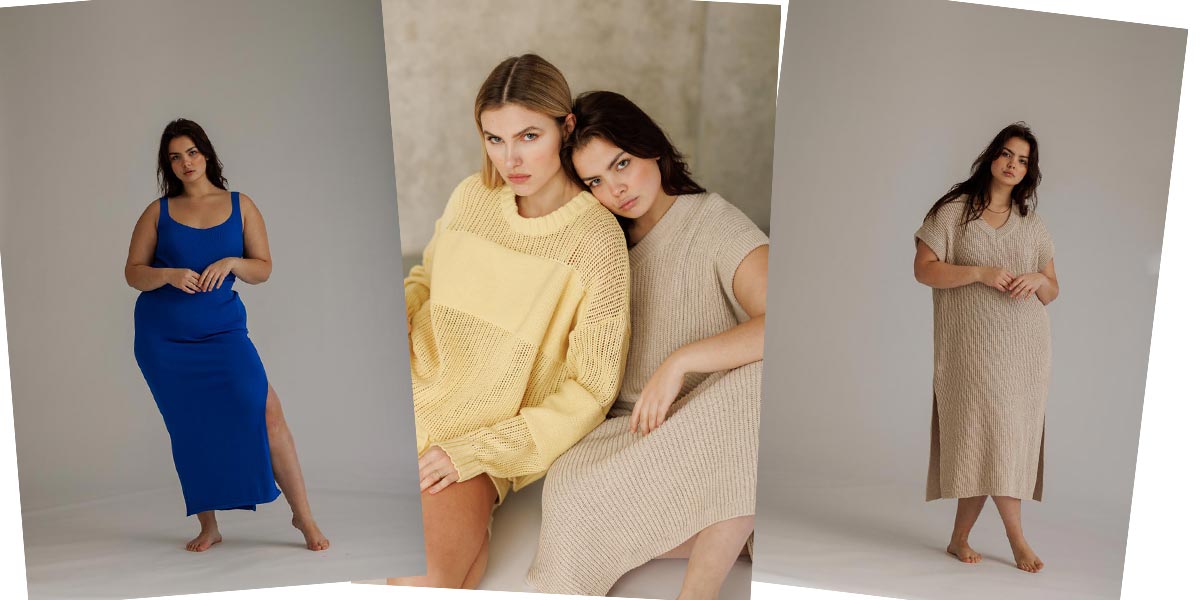
What distinguishes the two from many international competitors: they actively interact with real community members on Instagram, comment on current collections, and take clear positions on topics such as Body Positivity and sustainability in fashion. This fits perfectly into the environment that FIV Magazin Issue #6 has created – together with real personalities like Sarina Nowak, who shows as a Curvy Model what it means to be successful as a Curvy Model.
Design philosophy behind the avatars
The development of a credible virtual influencer is more complex than most people think. Every pore, every strand of hair, every light reflection must be manually modeled or calculated using AI. The team behind Zoe and Ella consciously decided not to copy the classic measurements of a model ideal figure. Instead, proportions were chosen that appear more relatable – a clear signal to the community.
Reach without travel costs
A virtual avatar can theoretically be “present” at the Fashion Week Berlin, the New York Fashion Week dates, and the Paris Fashion Week dates at the same time. No jet lag, no visa issues, no daily fee for hotel stays. For brands running global campaigns, this is a huge cost advantage – and for traditional agencies a serious challenge.
Virtual vs. real influencers: A factual comparison
The discussion often revolves around a false either-or. Virtual influencers do not replace real models – they complement the market. Nevertheless, it makes sense to clearly define the differences:
| Criterion | Virtual Influencer | Real Model / Influencer |
|---|---|---|
| Availability | 24/7, worldwide | Dependent on booking & travel |
| Controllability | 100 % controllable | Personality not controllable |
| Authenticity | Constructed, intentionally staged | Personal story, real emotion |
| Production costs | High (setup), low (ongoing) | Variable depending on fame |
| Scandal risk | Minimal | Present (human behavior) |
| Community bonding | Grows slowly, but loyal | Often faster and more emotional |
Who wants to make it as a real model should know the requirements to become a model – and understand that digital competition is real, but no reason for panic. Because what AI cannot do: tell a real story that makes someone cry.
What brands really want
Brands use virtual influencers mainly for three purposes: product launches in new markets, always-on content without production breaks, and experimental campaigns where the risk of a human mistake is eliminated. Especially in the luxury segment, where image maintenance is paramount, interest is growing. Those who, however, are looking for a serious model agency, will find that the best agencies are already observing virtual formats – and in some cases are developing their own digital faces.
What this means for real models
The good news first: The demand for real models remains strong. Lookbooks, runways, showrooms, commercials – all of this requires human presence and physical credibility. The bad news: Getting into the industry is becoming more selective. Anyone who looks at the steps to become a model quickly realizes that professionalism and digital competence now go hand in hand.
“We are no longer just looking for a face – we are looking for a personality that also works in the digital space. An avatar can wear clothes, but it cannot show posture.”
— From an insider conversation with a Berlin casting director
Opportunities for newcomers and niche models
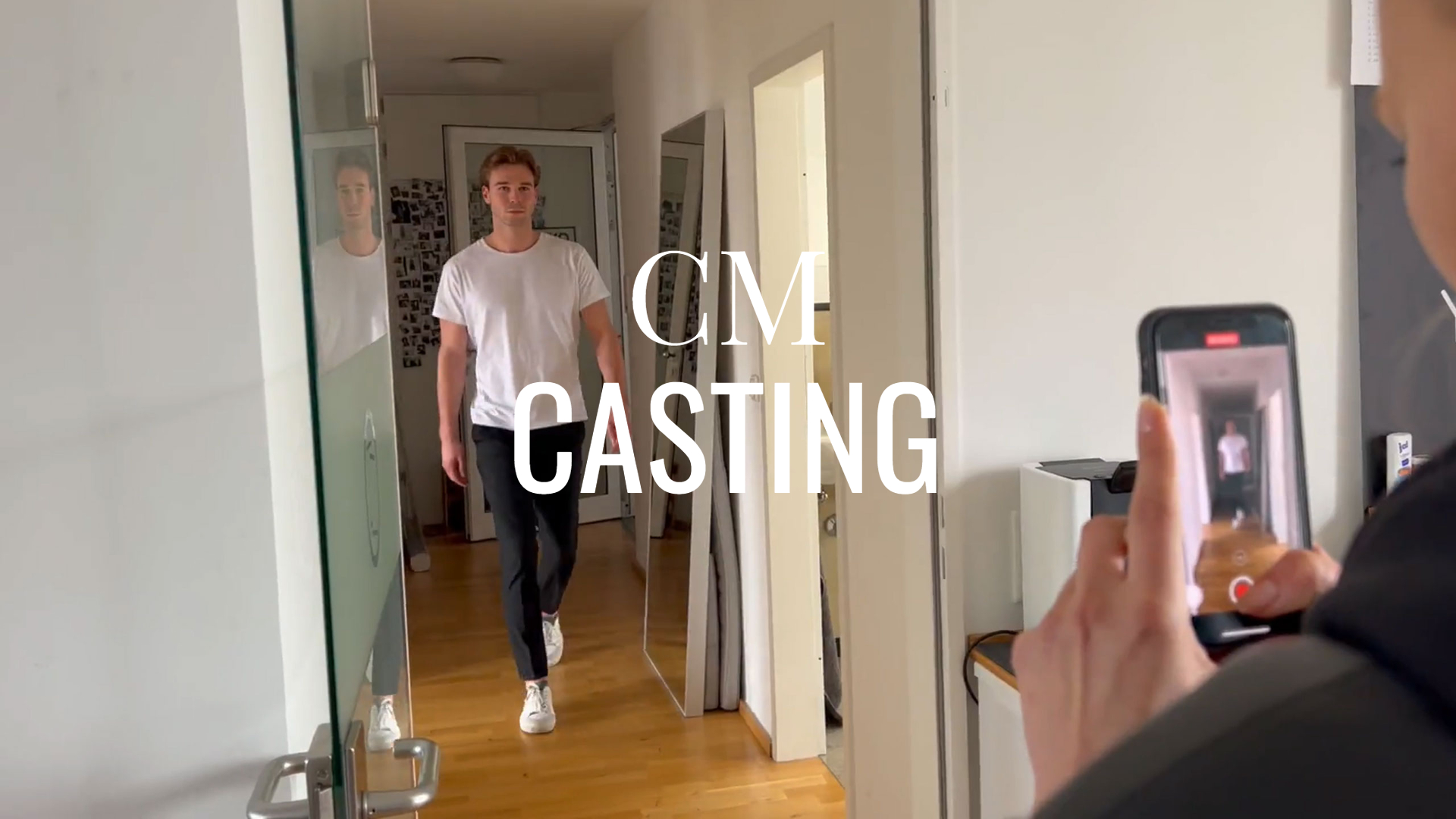
Interestingly, the boom of virtual influencers is also opening doors for real people who were previously considered “non-conforming.” When an avatar with intentionally chosen proportions reaches millions of followers, the pressure on real models to meet certain minimum height requirements at model agencies is somewhat relativized. Agencies like CM Models are already focusing on diversity – those interested can directly participate in a casting at CM Models.
The topic of size is also being renegotiated. Those looking for becoming a model with larger sizes or needing a model agency without minimum height today find significantly more opportunities than just a few years ago – not in spite of, but partly because of the shift in awareness triggered by digital role models.
The Money in the Industry
Who wants to know how much a model earns will be surprised: The range is enormous. While virtual influencers can generate passive income for their creators, many real models fight for fair conditions at the beginning. That’s why it’s important to know whether a model agency charges money – or whether you should rely on a model agency without fees. Reputable agencies earn exclusively from jobs they arrange, never from registration.
How to best prepare for the new fashion world
The fashion industry is changing rapidly. Anyone who wants to get involved now should master classical basics as well as digital skills. A solid model portfolio for casting is still a must – but just as important is a well-maintained social media profile that reflects your personality.
The following steps are recommended for getting started:
- Create professional application photos
- Provide measurements and height correctly
- Build a portfolio on social media
- Contact local agencies
- Prepare castings targeted
- Take feedback seriously and implement it
Those looking locally can find suitable contacts: for example a model agency in Berlin, a model agency in Hamburg or those living in the Rhine-Main area can find information about becoming a model in Frankfurt. Internationally oriented talents can look into becoming a model in London or becoming a model in New York – cities where also the Big 4 Fashion Weeks take place and where new faces are regularly sought after.
Those who are unsure whether a full-time modeling career is the right choice can also model part-time – a completely legitimate entry point that has fueled many later full-time careers.
Checklist: Am I ready for a casting?
- ☐ Current photos (no make-up, natural light)
- ☐ Measurements written down (height, size, shoe size)
- ☐ Model portfolio or digital portfolio created
- ☐ Agency checked for seriousness
- ☐ No upfront fees paid
- ☐ Instagram profile well-maintained and public
- ☐ Casting appointment confirmed in writing
- ☐ Runway basics practiced
Who can check off all the points is ready for the next step. Apply now directly here and become part of the movement that is redefining the fashion industry – both digitally and analogously.
Frequently asked questions about virtual influencers and the modeling industry
Can virtual influencers completely replace real models?
No – at least not completely. Virtual influencers are ideal for controlled brand communication, always-on content, and international campaigns. Real emotional impact, physical runway presence, and authentic life stories, however, remain the unique selling point of real models. Both formats will coexist in the long term and complement each other.
What does it cost to develop a virtual influencer?
The development costs for a professional CGI avatar range from five to six figures, depending on the level of detail and animation effort. Ongoing production costs for each individual post also apply. By comparison: A well-booked real model collaboration often costs brands significantly less – especially when working with a Top Model agency.
How can I as a real model keep up with digital trends?
Digital competence is a must today. Anyone who understands how social media algorithms work, who can create their own content, and who has a clear personal brand has an advantage over purely passive models. Additionally, runway and catwalk tips help to convince even at physical events – because live events like the Milan Fashion Week or the London Fashion Week are still the number one career boosters.
A serious agency never demands money in advance. Anyone who wants to contact a model agency should first inform themselves about the contract terms and, if in doubt, obtain references. There are numerous verified addresses in the German-speaking region – from the metropolis to the regional city. Also, German fashion designers are increasingly working with independent talents, creating new direct booking opportunities outside of classical agencies.