Virtual Influencers: Toplist! Lil, Miquela, Zoe Dvir & Co.
They smile from Instagram feeds, wear the latest collections from major luxury brands, and have millions of followers – yet they exist only as digital creations. Virtual influencers are no longer a futuristic scenario, but a tangible reality that is turning the fashion world upside down. Who is behind these pixel personas, what makes them so fascinating – and why should real models and agencies take them seriously?
What are virtual influencers anyway?
Virtual influencers are computer-generated personalities that appear on social media platforms like Instagram, TikTok, or YouTube as real individuals. They have invented biographies, their own styles, opinions, and sometimes even political stances. The technology behind them ranges from highly detailed 3D rendering through motion capture to AI-supported content generation.
What surprises many: Behind every virtual influencer stands a team of graphic designers, storytellers, social media strategists, and brand professionals. These avatars are managed like real talents – with brand deals, exclusive collaborations, and carefully planned content calendars. Those who wonder what requirements apply in modeling will find out: Digital models are subject to completely different rules than real ones.
The Technology Behind It
Modern virtual influencers are created in professional CGI studios (Computer Generated Imagery). Special software such as Unreal Engine or proprietary rendering tools generate photorealistic faces, skin structures, and movement sequences. The most expensive avatars are hardly distinguishable from real people – a fact that is hotly debated in the industry.
Why Brands Are Turning to Digital Models
The reasons are pragmatic: Digital models don’t get sick, don’t demand renegotiations of fees, and can be present at a hundred places around the world at the same time. For the fashion industry, this means maximum control over image and message. While becoming a real model requires time, experience, and agency work, a virtual avatar can start globally from one day to the next.
- No travel costs or scheduling issues
- Immediate scaling to markets worldwide
- Complete control over brand messaging
- No scandals due to misconduct
- 24/7 availability for content
The most famous virtual influencers in portrait
The world of digital avatars is more colorful and diverse than many think. From Brazilian creations to Israeli avant-garde projects – here are the key players.
Lil Miquela – the pioneer among pixel stars
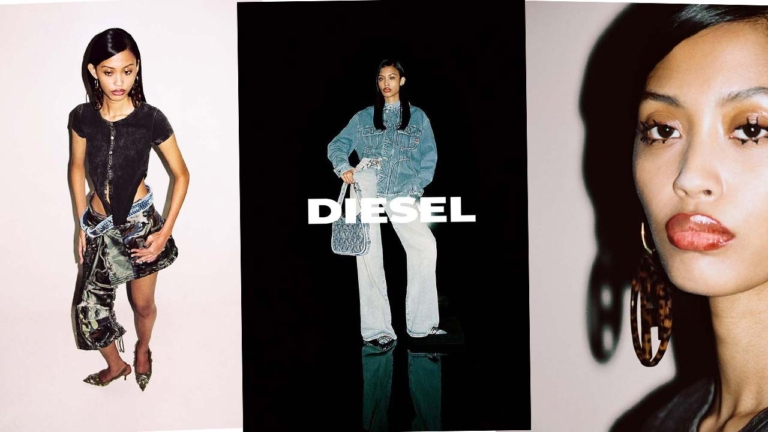
Lil Miquela is undoubtedly the most well-known virtual influencer worldwide. With her freckled cheeks and distinctive Brazilian style, she appears convincingly real at first glance. The company Brud from Los Angeles created her and has intentionally positioned her as a cult figure. Miquela has collaborated with brands like Prada, Calvin Klein, and Samsung – partnerships that real models take years to build. Those interested in a model’s salary will be amazed: Lil Miquela’s earnings per sponsored post are said to be in the six-figure range.
Especially clever: Miquela also posts political content and supports social movements. This gives her depth and credibility – two qualities that are hard to generate digitally but easy to simulate.
Zoe Dvir – Israel’s Digital Avant-Garde
Zoe Dvir is one of the first virtual influencers from Israel and embodies a more experimental, artistic approach. She is less commercial than Lil Miquela, but more established in the world of haute couture. Zoe shows that digital avatars can also work outside the mainstream – especially in the world of German fashion designers and international avant-garde labels, this type is in demand.
Ella Stoller – Germany’s Response to the Trend
Ella Stoller is one of the first German-speaking virtual influencers and shows that the trend has also taken hold in the German-speaking region. She was developed as a direct counter-model to American avatars – closer to European beauty ideals, more restrained in style. For the German fashion scene, whose centers are in a model agency in Berlin or a model agency in Hamburg, she is an intriguing test balloon.
Imma – Japan’s Superstar from the Computer
Imma is Japan’s most famous digital avatar and has one of Asia’s largest fanbases. Her look combines anime aesthetics with Western fashion trends – a combination that works exceptionally well in the global streetwear scene. Imma regularly collaborates with IKEA Japan, Nike, and several luxury labels.
“Virtual influencers are not the competition for real models – they are an extension of the brand system that raises new questions about what authenticity in fashion actually means.”
— Creative Director of an international Fashion Agency
Comparison: Virtual vs. Real Influencers in the Fashion Industry
To make the difference more tangible, a direct comparison helps. Anyone considering what model measurements and requirements real models must bring will find the contrast particularly fascinating.
| Criterion | Virtual Influencer | Real Influencer / Model |
|---|---|---|
| Availability | 24/7, global, without breaks | Limited, travel-dependent |
| Controllability | Completely by agency | Partially, personal character |
| Authenticity | Simulated, but scalable | Real, personal, unique |
| Costs | High production, no travel costs | Fee, travel, styling |
| Scalability | Unlimitedly replicable | Limited to one person |
| Physical limits | None – any size, any measurement | Real prerequisites needed |
| Emotional connection | Surprisingly high (studies confirm this) | Natural, organic |
It is interesting to note that the emotional bond with virtual influencers is often underestimated. Followers develop real parasocial relationships with avatars – just as they do with real creators. This makes them equally relevant for brands as well as for top modeling agencies worldwide.
What virtual influencers mean for real models
The emerging question in many agencies is: Are digital avatars displacing real models? The honest answer is nuanced. For certain segments – particularly digital campaigns, social ads, and e-commerce content – virtual models are indeed becoming real competitors. In other areas, real models remain irreplaceable.
Areas where real models remain unbeatable
On the runway, at live events, and in personal brand communication, avatars can’t keep up. Whoever masters runway and catwalk tips and walks the Big-4-Fashion-Week – whether it’s the New York Fashion Week, the Paris Fashion Week, the Milan Fashion Week or the London Fashion Week – has a performance that no rendering can replace.
Even for niche markets: Become a model in larger sizes, Become a curvy model or Modeling without a minimum height – these areas live off real diversity, real skin, real stories. This is authentic and will remain so.
Take advantage of opportunities for aspiring models nevertheless
For models who want to start now, little changes on the classic path despite the trend. A casting at CM Models remains just as relevant as preparing for a casting or creating a professional model portfolio. Whoever also knows how to recognize a serious model agency, what fees a model agency may charge and how to find a model agency without fees is best prepared.
- Real presence on runways remains in demand
- A personal brand strengthens a real career
- Diversity is an advantage in real modeling
- Regional agencies offer real opportunities
- Part-time modeling is still possible
Who wants to model part-time or is just considering how to contact a model agency should know about this virtual trend – but not be afraid. Anyone looking for a model agency in Frankfurt or who is planning to model in London or launch their career in New York will still find real career opportunities there.
Checklist: Are you ready for tomorrow’s fashion world?
Whether you’re interested in the classic path or the digital development – these points will help you start well prepared. Those who also want to know what minimum height model agencies require will find honest answers there.
- ☐ I know the most important virtual influencers
- ☐ I have updated my portfolio
- ☐ I understand the differences: real vs. digital
- ☐ I know which agency suits me
- ☐ I have optimized my Instagram profile
- ☐ I know my exact measurements
- ☐ I have informed myself about Fashion Weeks
- ☐ I’m ready to apply now
If you can check off most of the points, the next step is clear: Apply now and get started – real, authentic and irreplaceable.
Frequently asked questions about virtual influencers
Are virtual influencers really profitable for brands?
Yes, and how: Studies show that engagement rates with virtual influencers are often higher than with human accounts of comparable size. Brands especially appreciate the complete control over image and message as well as the possibility to scale campaigns globally without logistical effort. Lil Miquela already achieved millions of reach per post in the early stages of her career.
Can virtual influencers completely replace real models?
No – at least not completely. Avatars are increasingly used for digital campaigns, social media ads, and e-commerce product photos. Live events, runways, personal brand ambassadors, and authentic diversity communication, however, remain firmly in the domain of real models. The fashion world needs both.
How can you tell if an influencer is virtual?
Look out for overly perfect skin texture, unnatural lighting in every photo, and a lack of spontaneity in Stories or live content. Many virtual influencers also never communicate in real live videos. Motion content is technically complex and therefore less common. A look at the comment section often reveals: Fans frequently openly discuss whether the account is real or digital.
What opportunities does this trend offer for real aspiring models?
The rise of virtual influencers sharpens the focus on what makes real models unique: personality, liveliness, emotional depth, and physical presence. Those entering the fashion world now would do well to consciously develop these qualities. This includes a professional portfolio, agency contacts, and an understanding of how Fashion Week schedules and seasonal rhythms affect booking opportunities – real career assets that no rendering can copy.
Dior Store Opening Berlin-Mitte, Cardi B mit Modelinie und Kardashian x Calvin Klein Kampagne
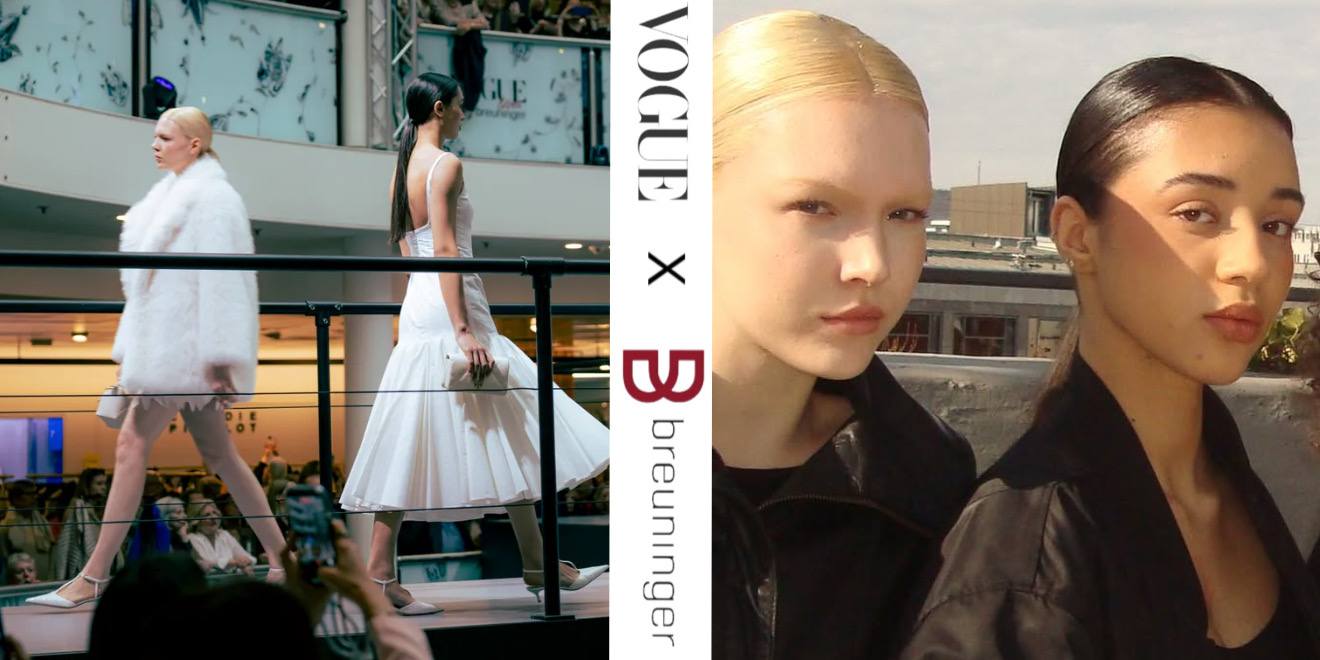
Runway Debut: Ariane and Luisa for Vogue x Breuninger
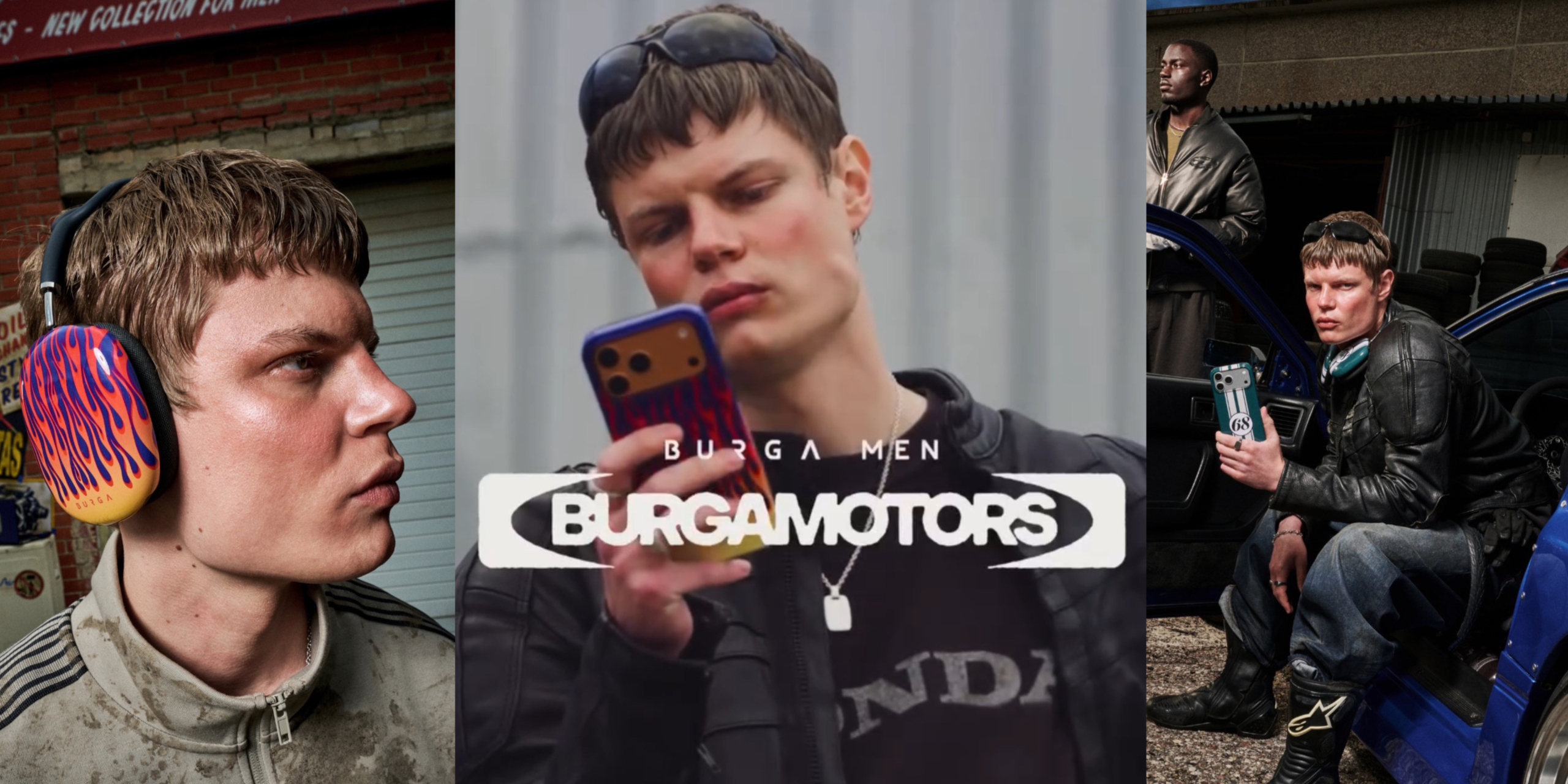
Anton Kundrus for BURGA MEN - Edgy Model Meets Tech Accessories
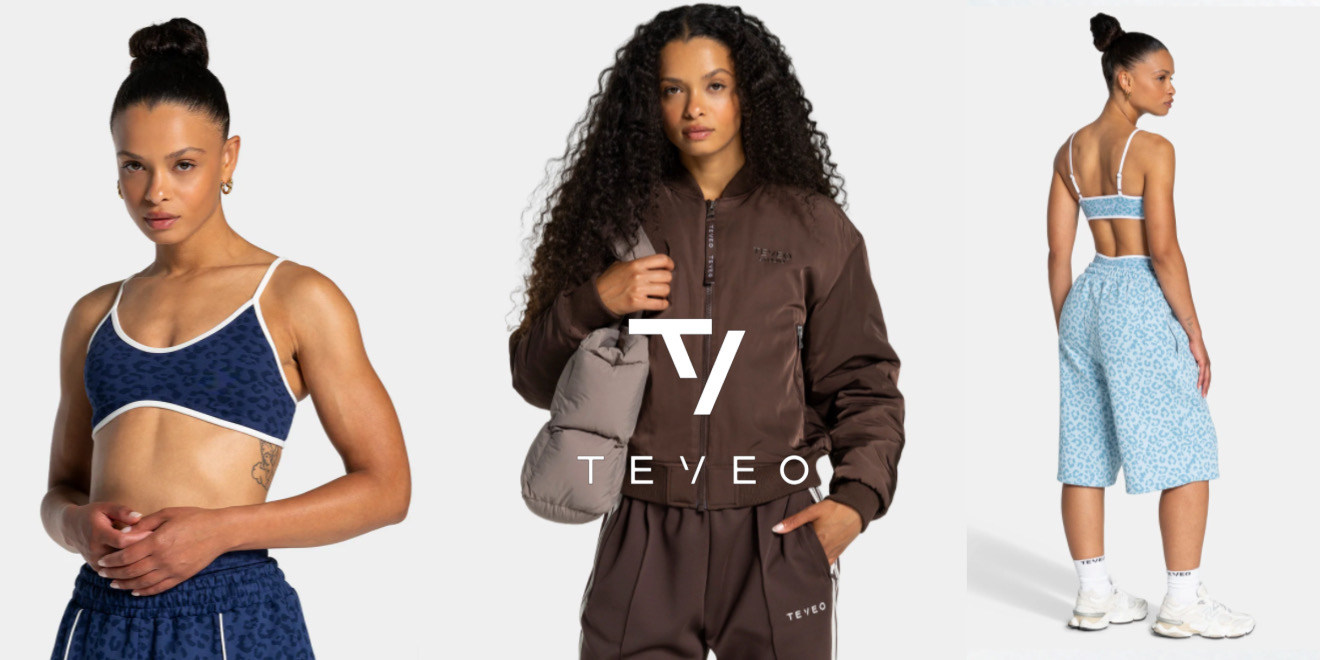
Amie Bangura for TEVEO's New Contrastline

Snipes x Adidas with Ariane in Berlin - New Streetwear
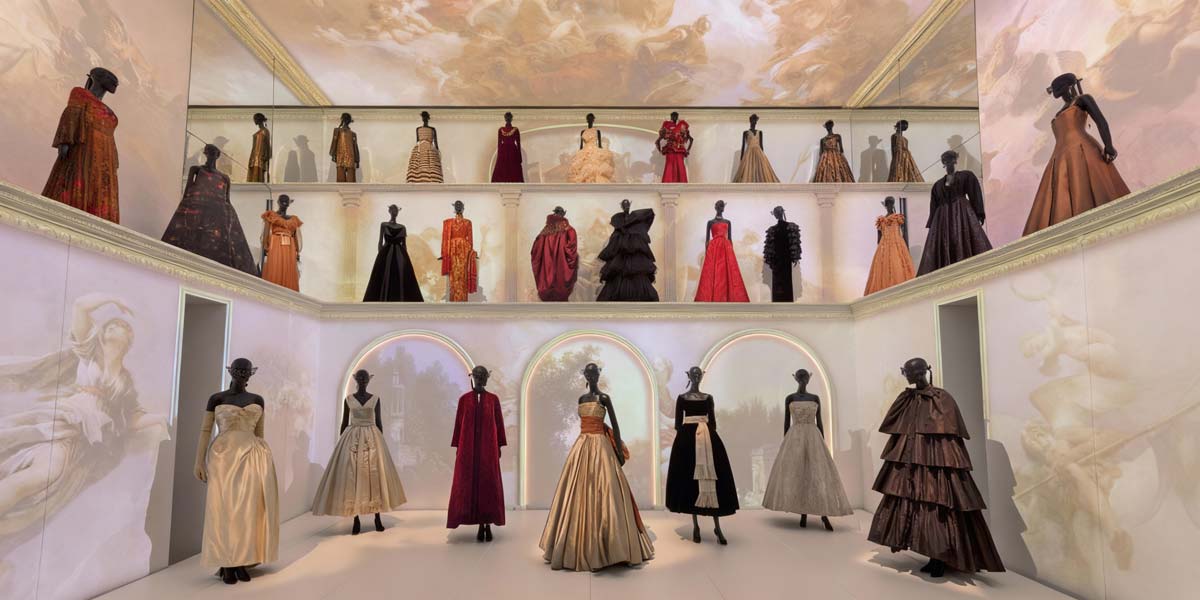
"Azzedine Alaïa's Dior Collection" Exhibition Paris: 101 Looks Even Dior No Longer Has