Milan Fashion Week: Fall/Winter 2021 – The best shows & designers
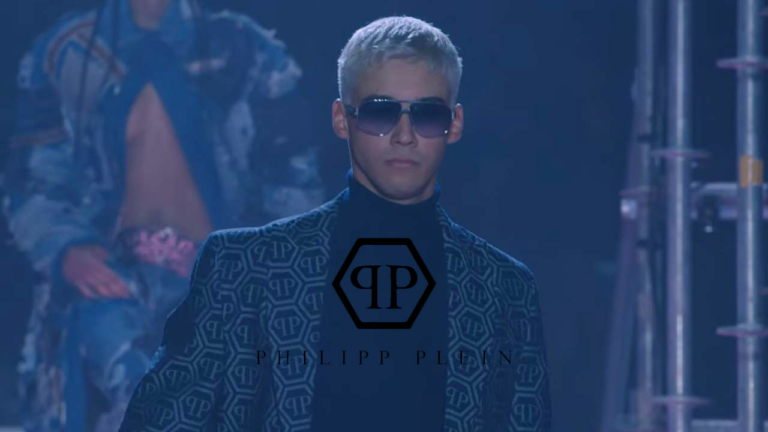
Milan pulses — and when the Fashion Week takes over the city, the heart of the global fashion world beats to the rhythm of the runway music. The Milan Fashion Week for the autumn/winter season is one of the most important events in the international fashion circuit: Here, the biggest luxury brands present their new collections, here trends are set that appear in store windows around the world months later — and here thousands of aspiring models dream of one day walking the catwalk themselves.
Milan Fashion Week: What makes this week so special
Among the Big 4 Fashion Weeks, Milan holds a unique position. While New York Fashion Week represents streetwear and commerce and Paris Fashion Week celebrates haute couture, Milan is the stronghold of Italian savoir-faire: craftsmanship at the highest level, an unshakable sense of style, and a luxury affinity that is unrivaled. The Milan Fashion Week dates are therefore a must for the industry — no serious buyer, no relevant editorial team, and no aspiring model can afford to ignore this week.
The event takes place twice a year: in February for the autumn/winter season and in September for the spring/summer collection. The program includes dozens of shows, presentations, and events that completely transform the fashion city. Street-style photographers position themselves in front of the venues, international buyers prepare their order pads, and editors from Vogue to Harper’s Bazaar broadcast live from the front rows.
“Stepping onto the runway in Milan means more than just walking in front of an audience — it means existing in front of the entire fashion world. Every step counts, every glance is evaluated, every detail decides.”
The biggest designers and their collections
The lineup of the Milan Fashion Week reads like a who’s who of global luxury fashion. Whoever shows here has made it — and whoever walks in these shows can count themselves among the best in the industry.
Established houses with worldwide reputation
Prada has been the intellectual conscience of the Milan Fashion Week for decades. Miuccia Prada and, since their collaboration, also Raf Simons, deliver collections that function as much as art projects as they do as wearable fashion. The casting for a Prada show is considered a milestone in a model’s career — whoever meets the model measurements and requirements for this house has the best chances for an international career. Fendi, on the other hand, stands for opulent glamour: fur, knitwear at haute couture level, and a consistent combination of tradition and modernity. Giorgio Armani remains indispensable as the patriarch of Milanese fashion — his characteristic minimalism has held up over decades and shows no signs of fatigue.
Younger Labels with Growing Relevance
Moschino under Jeremy Scott brings irony and pop references to the runway — those looking for the next viral moment will find it here. Elisabetta Franchi represents a new generation of Italian female designers: feminine, powerful, and with a clear brand awareness. For models wondering what requirements for the modeling profession are really essential, it’s worth observing the castings of various labels — the requirements can differ significantly.
- Prada: intellectual, avant-garde
- Fendi: luxurious, masterfully crafted
- Armani: minimalist, timelessly elegant
- Moschino: playful, pop-culture inspired
- Elisabetta Franchi: feminine, confident
- Versace: dramatic, body-focused
Digital formats and hybrid shows
The fashion world has learned to adapt — and Milan is no exception. Digital presentations and livestreams have transformed the Fashion Week into a global event that is no longer reserved exclusively for the privileged audience in the front row. Anyone who once needed an entry sticker can now participate from anywhere in the world.
What digital shows mean for models
For aspiring models, the digital accessibility of Fashion Week offers enormous opportunities: casting processes, show formats, and designer aesthetics can be intensely studied. Anyone who wants to understand how a professional runway performance feels and is structured can spend hours analyzing the techniques of the most experienced models. In doing so, it quickly becomes clear: Milan has its own rhythm, its own energy — slower than New York, more theatrical than London.
Moreover, digital campaigns around the shows have led to side jobs as models and social media presence becoming more relevant for many labels. Brands are now looking for authentic faces with real reach — not just perfect measurements.
Comparison: Milan Fashion Week in an international context
| Fashion Week | Focus | Well-known Brands | Special Feature |
|---|---|---|---|
| New York | Ready-to-wear, Streetwear | Ralph Lauren, Marc Jacobs | Strongest commerce focus |
| London | Avant-garde, Newcomers | Burberry, Vivienne Westwood | Platform for newcomers |
| Milan | Luxury, Craftsmanship | Prada, Fendi, Armani | Highest luxury density |
| Paris | Haute Couture, Elegance | Chanel, Dior, Louis Vuitton | End of the cycle |
| Berlin | Sustainability, Indie | Diverse emerging labels | Strongest sustainability focus |
As a model at the Milan Fashion Week — this is how to get there
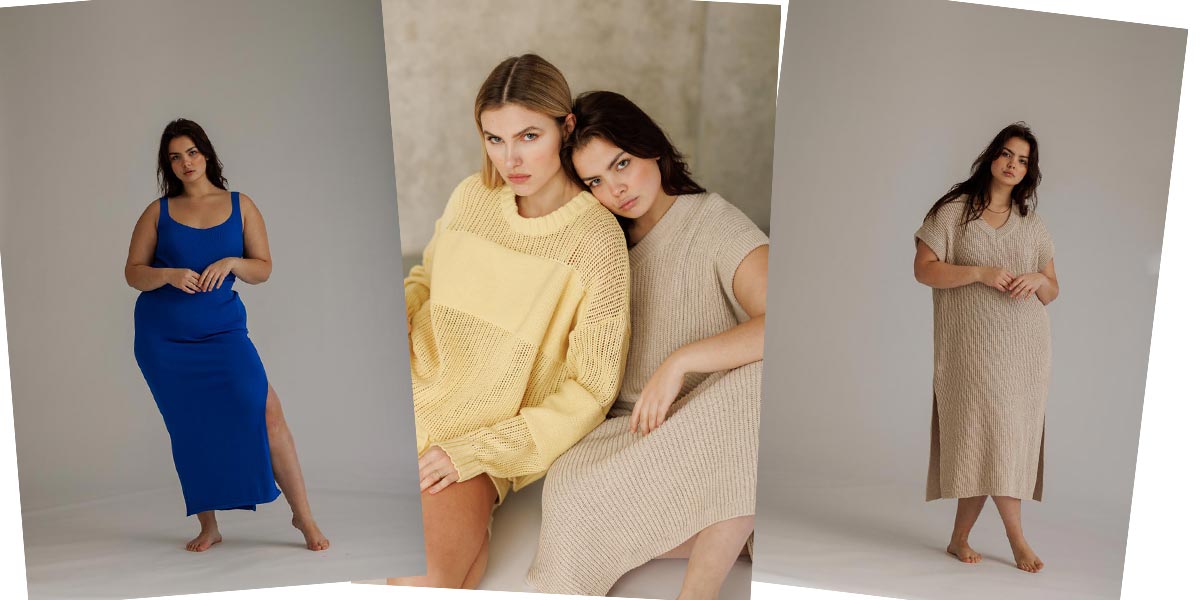
The dream of one day walking the runway for Prada or Fendi is the biggest motivation for many aspiring models. However, the path there is long and requires real preparation. First, it’s important to realistically assess your own suitability: Minimum height requirements at modeling agencies play a central role in runway jobs, although there are now also opportunities for plus-size models and modeling agencies without strict minimum height requirements that are taking new approaches.
Those who want to work as a curvy model are increasingly finding a home on international runways — the diversity movement has measurably changed the casting reality. However, specific requirements still apply for the classic runway in Milan, which one should know before taking the first steps. A look at the specific steps to becoming a model helps to structure one’s own progress.
The right agency as a springboard
No model walks in Milan without a professional agency behind them. The agency not only handles the booking, but also the career development, networking with international scouts, and preparation for major shows. Anyone starting in Germany should apply to a serious model agency — cities like Berlin, Hamburg or Frankfurt have well-connected agencies that prepare international careers. A look at the Top 10 Model Agencies is also worthwhile for your own research.
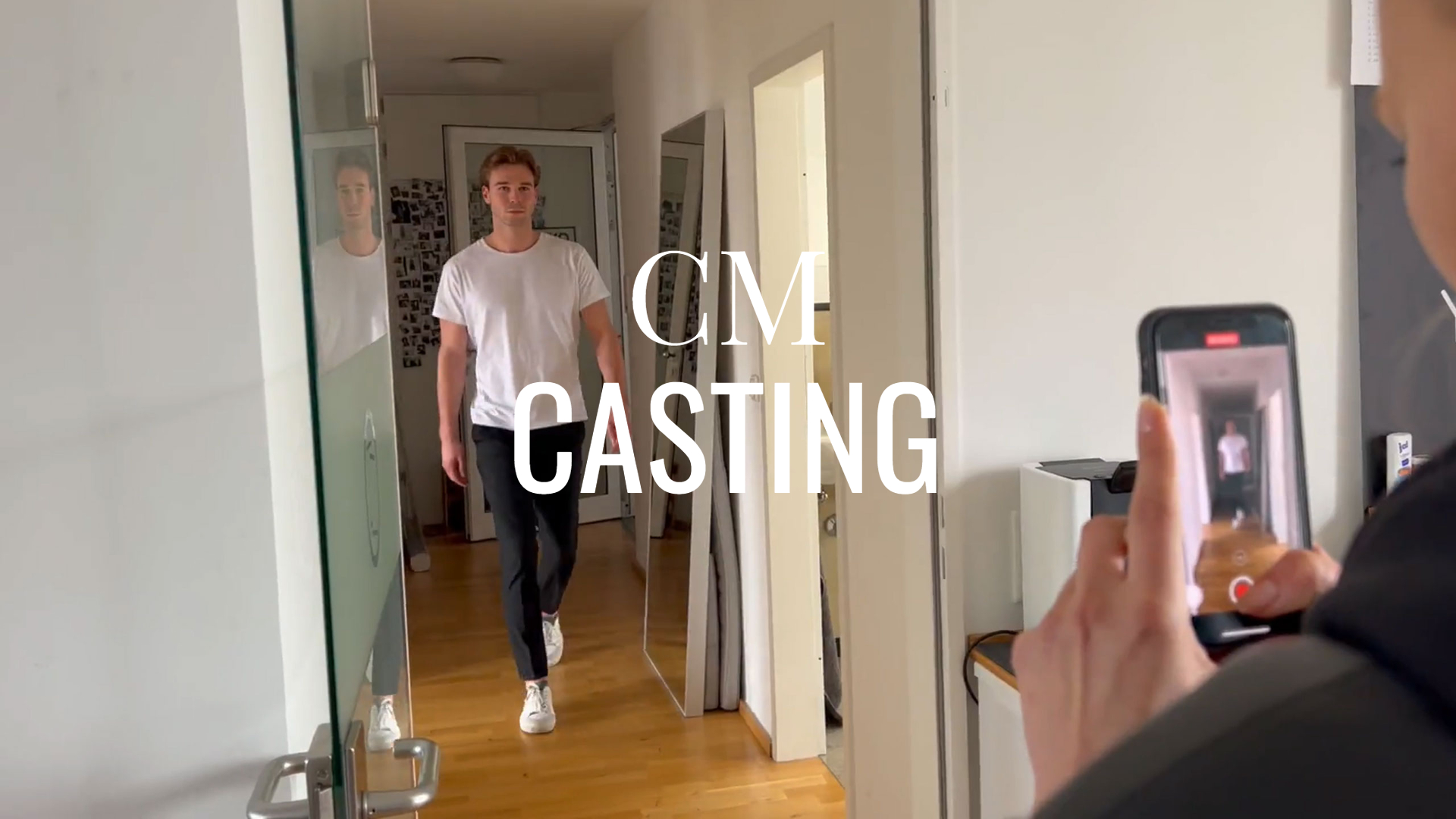
Those who already know which direction they want to go can directly submit a casting at CM Models or inform themselves about the cover letter for a model agency. It should be noted: model agencies that ask for money are a warning signal — reputable agencies work without advance fees.
Preparation for the casting
For international shows such as those in Milan, professionalism and preparation are twice as important. A strong model portfolio for casting is a mandatory prerequisite, as is the right attitude when preparing for a casting. Anyone who wants to live off fashion in the long term should also deal with the topic of model pay and earnings — the expectations and the reality often differ greatly here.
- Professional photos in the portfolio
- Provide current and accurate body measurements
- Runway training before casting
- Choose neutral, fitting clothing
- Punctuality is an absolute must
- Natural makeup for castings
Checklist: Ready for the big stage?
Whether Milan, London or New York — anyone who wants to walk international runways should check off these basics. Use this list for an honest self-assessment:
- ☐ I have had my measurements professionally taken
- ☐ My model portfolio contains current, high-quality photos
- ☐ I have applied to at least one serious Agency
- ☐ I know the most important Fashion Week dates worldwide
- ☐ I have completed or booked runway training
- ☐ I have realistic expectations about model pay
- ☐ I know German fashion designers and their aesthetics
- ☐ I am ready to apply now
If you can check off most of these points, the next step is clear: Apply now and take the first concrete step toward the international fashion stage.
Frequently asked questions about the Milan Fashion Week
When does the Milan Fashion Week take place?
The Milan Fashion Week takes place twice a year: in February for the autumn/winter collections and in September for the spring/summer season. The exact Milan Fashion Week dates vary slightly from season to season and are coordinated by the Camera Nazionale della Moda Italiana. Typically, the week lasts about seven days with a packed show schedule.
Which designers show on the Milan Fashion Week?
The lineup includes the major Italian luxury houses such as Prada, Fendi, Giorgio Armani, Versace, Dolce & Gabbana, and Bottega Veneta. Younger labels such as Moschino, Elisabetta Franchi, or Marni are also included. The Big 4 Fashion Weeks share the global top brands among themselves — Milan is clearly specialized in luxury and artisanal excellence.
How can I walk the Milan Fashion Week as a model?
The path almost exclusively leads through a professional model agency with international contacts. These agencies submit you to castings, which are conducted by the designers or their casting directors. Prerequisites include a solid model portfolio, the correct measurements, and ideally some previous runway experience. Find out more about the steps to becoming a model and start your application process early.
Can I watch the Milan Fashion Week as a spectator?
Yes — many shows are streamed today or released shortly after on the official channels of the designers as well as on platforms like Vogue Runway. Physical tickets for the shows themselves are only available for accredited industry representatives, press, and invited guests. Those who want to be right there in the middle of the action should apply early for accreditation as a journalist or buyer — or consider the path as a model and apply directly here now.

Private Jet Charter for Shoots, Fashion Week and Business: PrivateJets.one Joins CM Models as New Partner
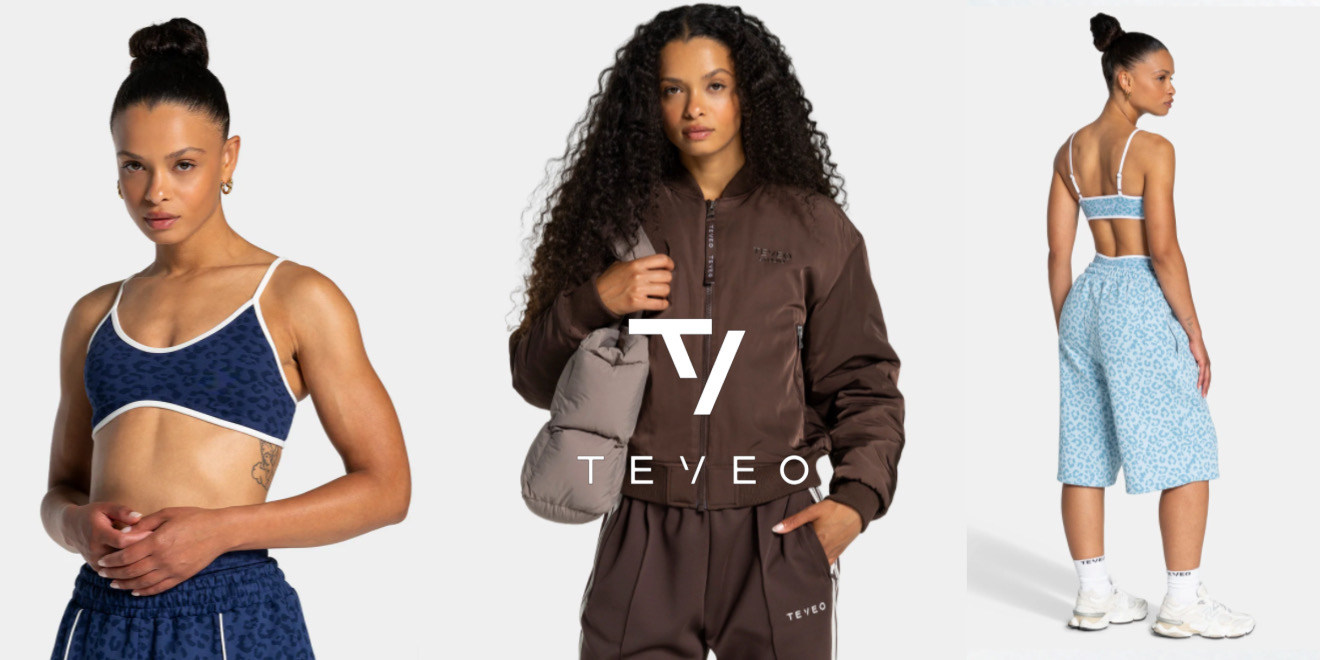
Amie Bangura for TEVEO's New Contrastline
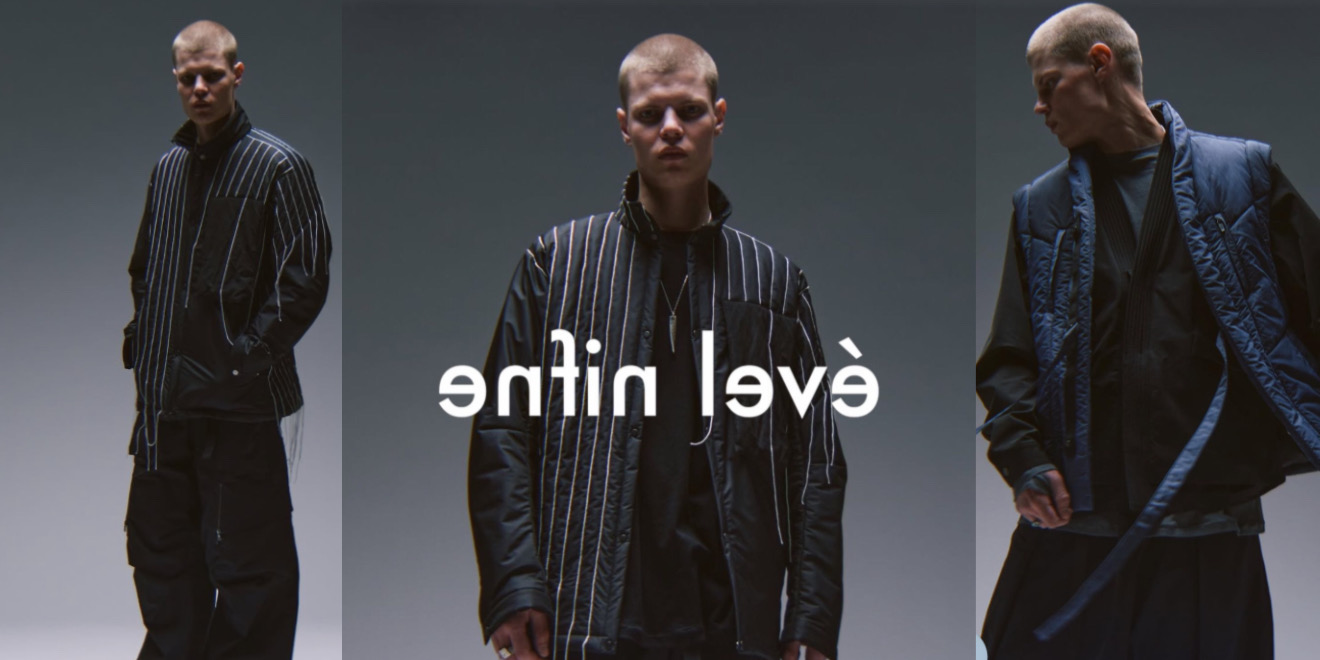
Anton Kundrus für enfin levé - Edge und Minimalismus trifft auf High-Performance Fashion
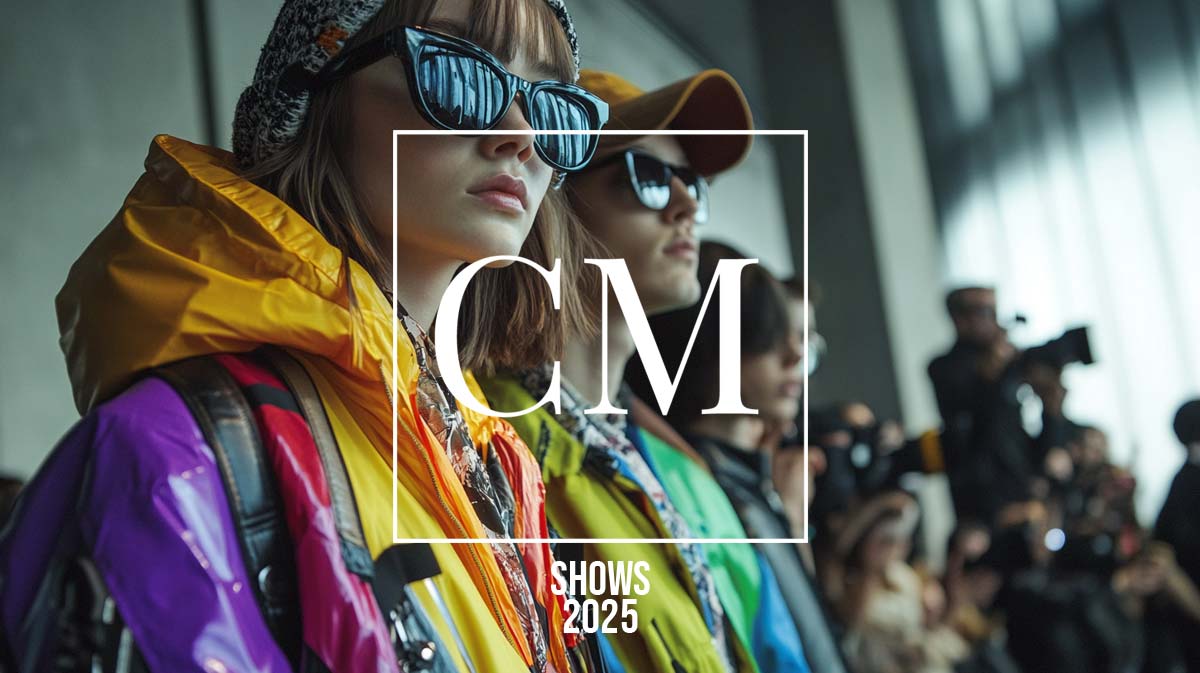
Fashion Week Berlin 2025: Shows, Kalender, Termine + Live aus Berlin
Modelagentur Casting am 22.06. in Berlin Mitte: Pre Fashion Week Berlin
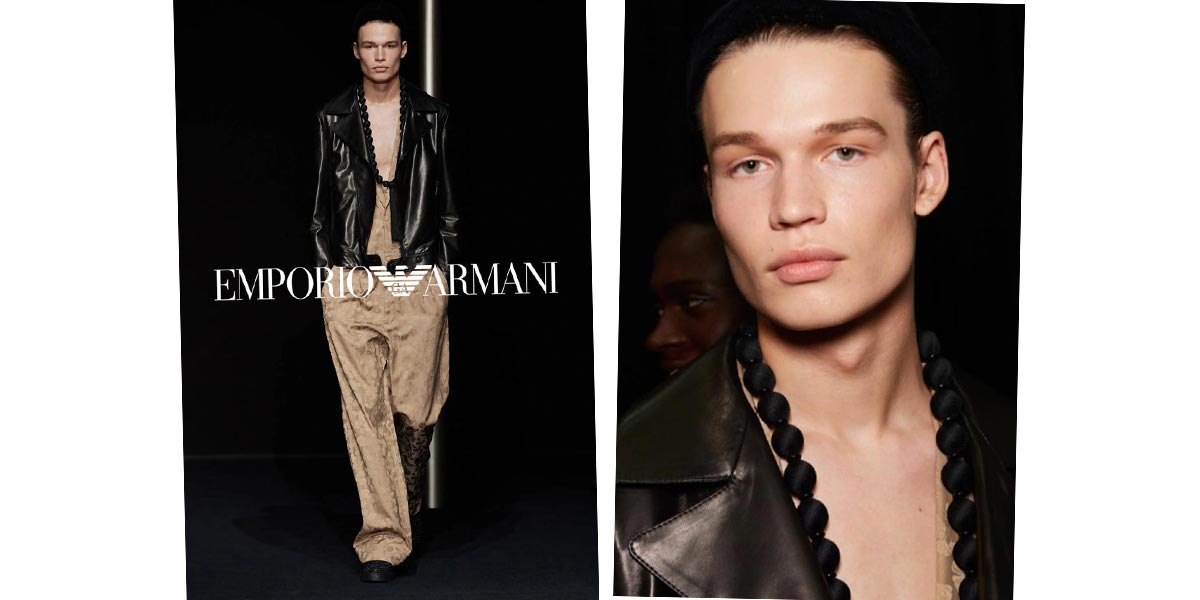
Artur MFW - Emporio Armani SS24 Show