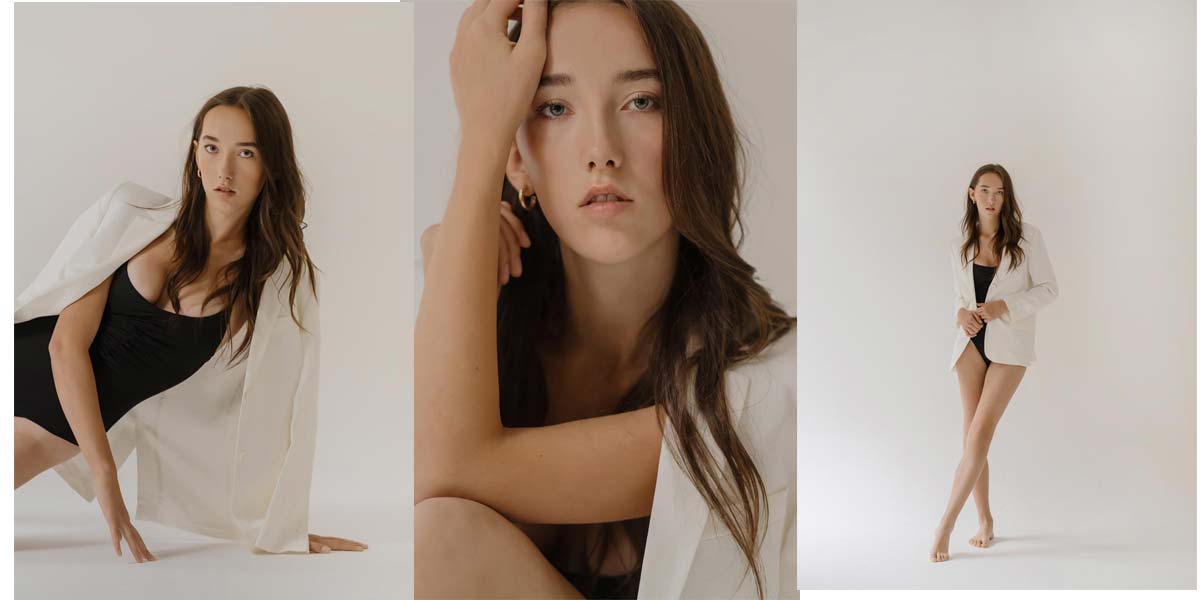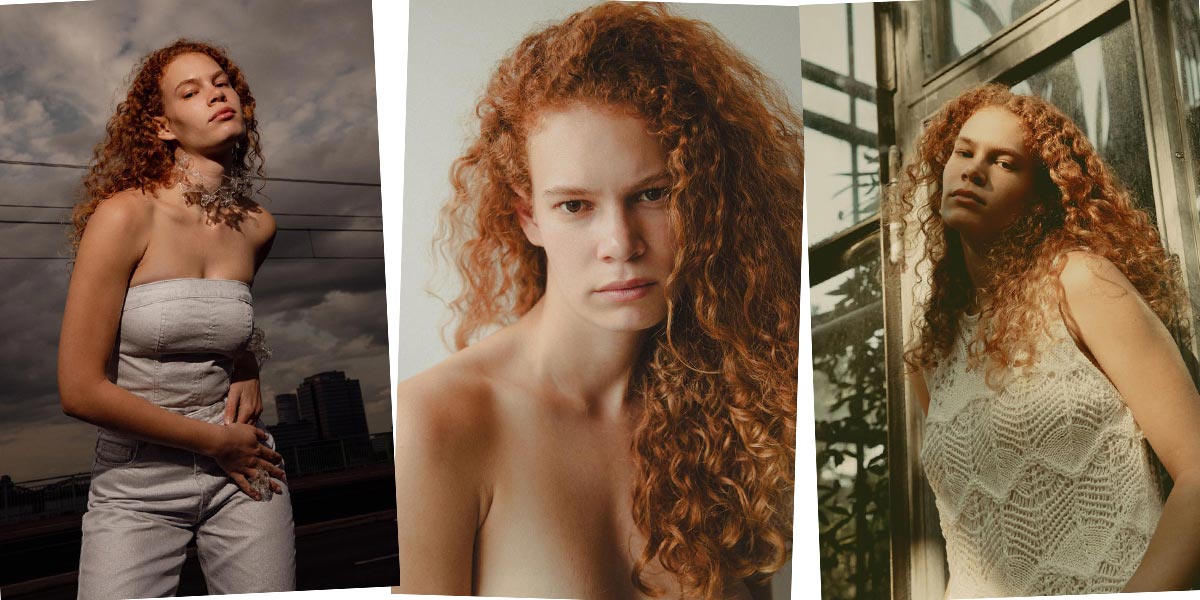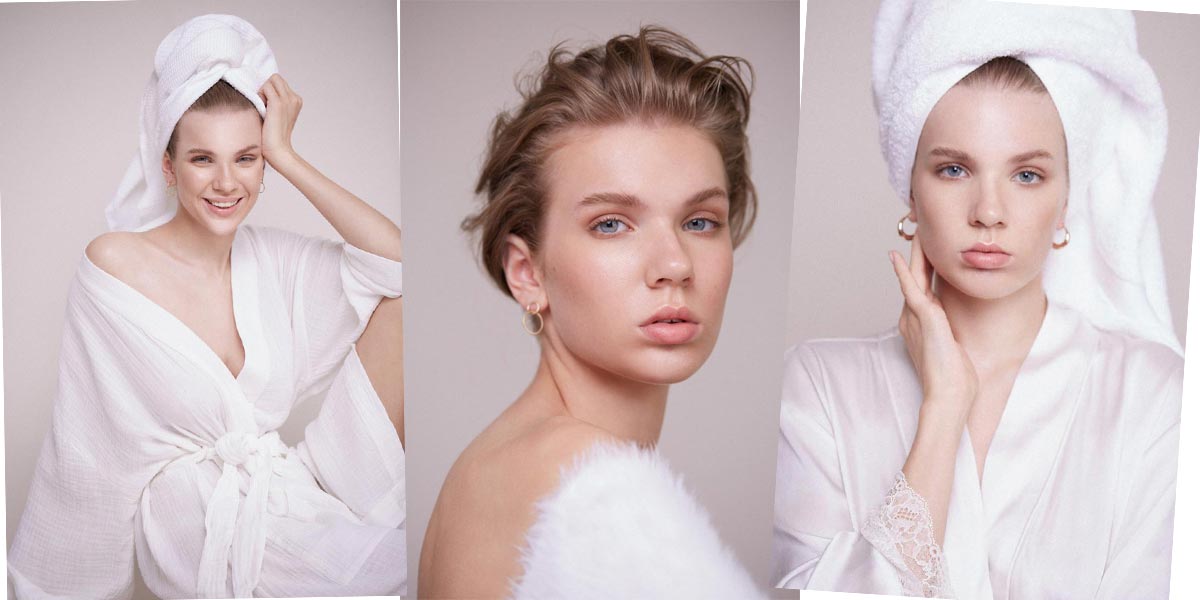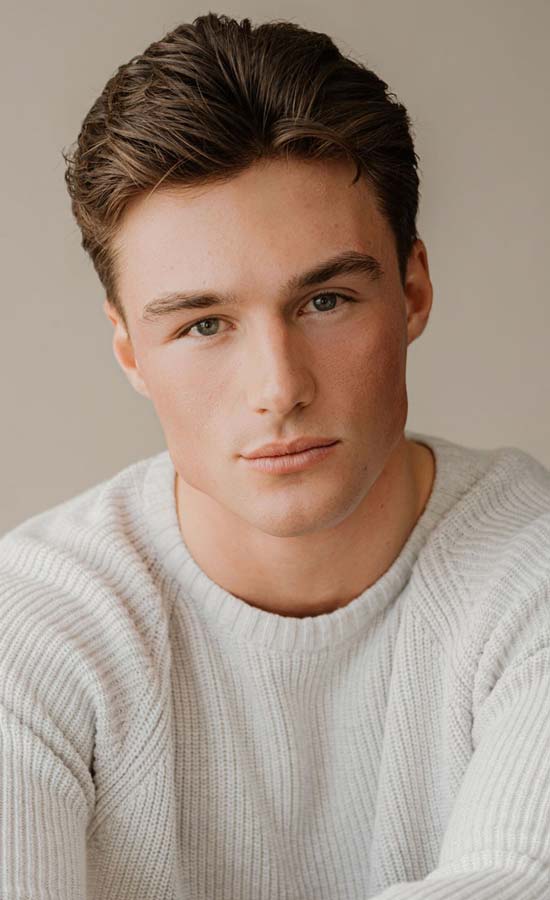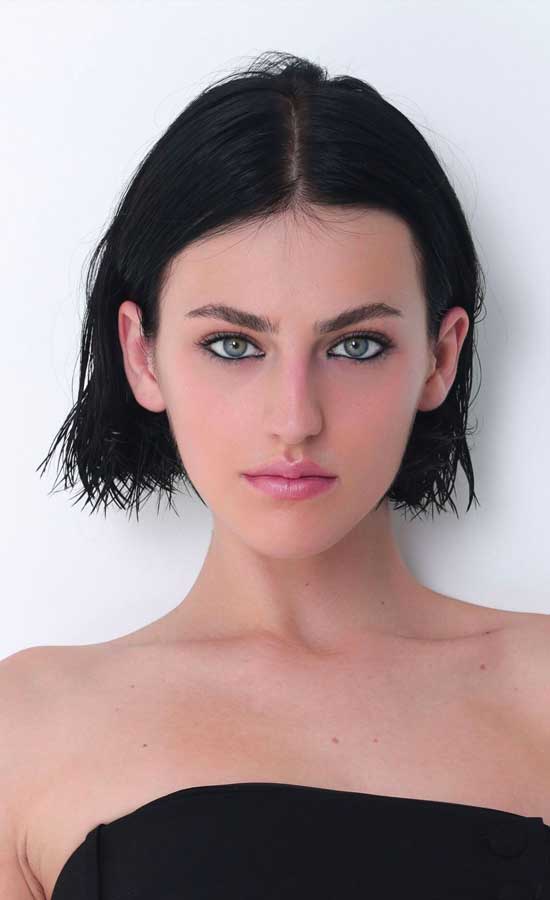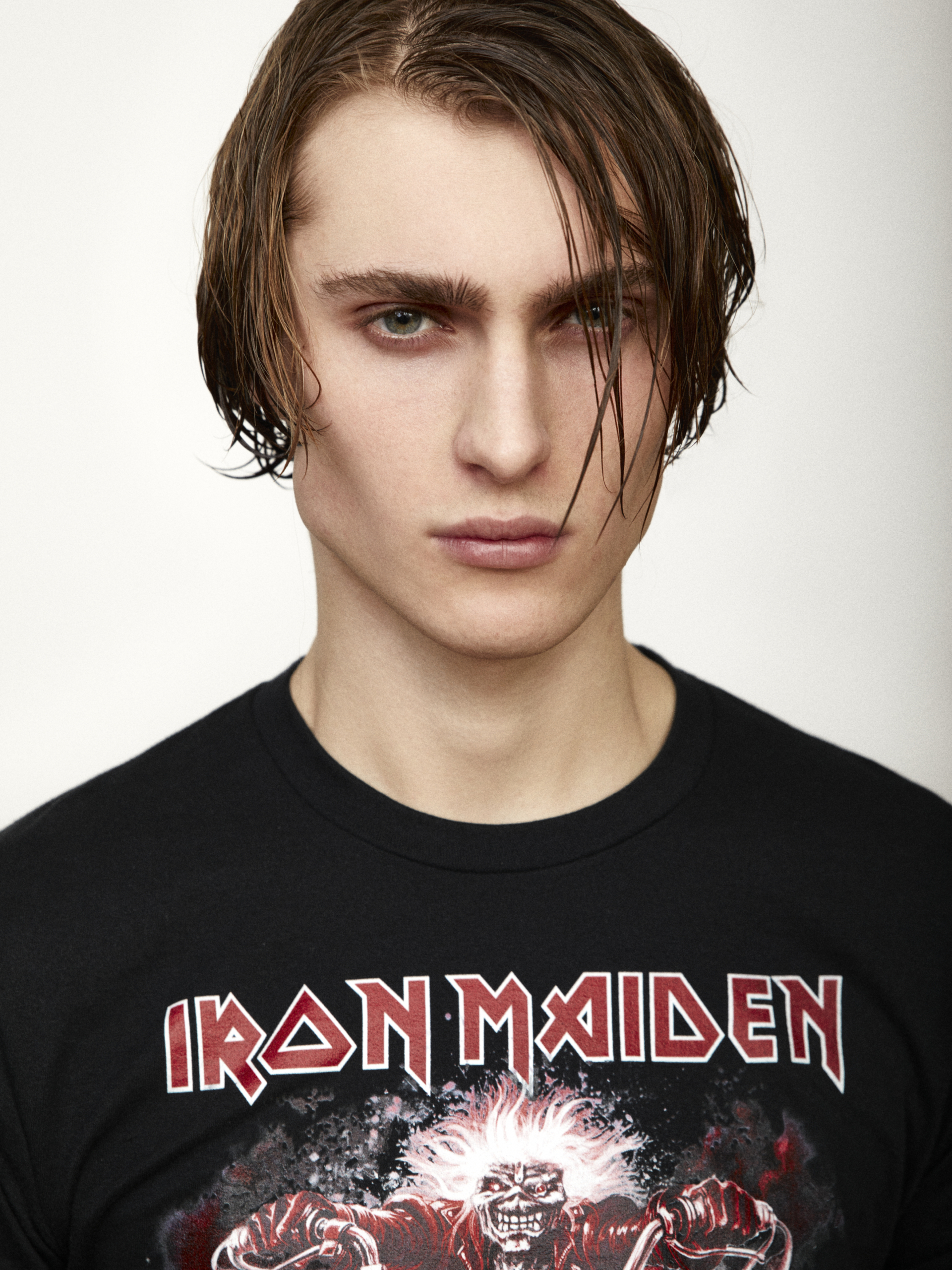
Aspiring models need to bring along the somewhat different guideline – characteristics, posing, behavior on set & co.
Who believes that a well-groomed face and a slim figure are enough to make it in the modeling industry will not survive the first casting round. The truth is more uncomfortable — and at the same time liberating: What top agencies, photographers, and clients are really looking for can be trained, developed, and built intentionally. This guide shows you what professional decision-makers discuss behind closed doors — and what you can already do differently tomorrow.
More Than Measurements: What Agencies Really Value
Most aspiring models focus exclusively on body measurements and height. That’s understandable, but short-sighted. Of course, there are measurements and requirements that play a role in classic fashion jobs — yet even the largest agency won’t book someone who can’t move, communicate, or handle stress. Agencies are not charities. They invest time and resources in talents who deliver.
Whoever informs themselves about the requirements for a model job quickly comes across lists with body measurements. What is missing there: the so-called “soft skills” of the industry, which decide on bookings as soon as the first impression is right.
- Punctuality is considered an absolute minimum.
- Self-employment without constant guidance
- Stressresistenz bei langen Drehtagen
- Adaptability to changing teams
- Klare, freundliche Kommunikation
Personality beats perfection
A casting director from a well-known agency described it this way:
„Ich kann mit dem besten Licht aus einem mittelmäßigen Gesicht ein starkes Bild machen. Aber ich kann keine Persönlichkeit hinzuretuschen, die einfach nicht da ist.”
This means specifically: Whoever appears introverted, insecure, or disinterested loses out to someone with a slightly less classic look but genuine energy. So consciously work on how you come across to others — not through forced happiness, but through genuine engagement with your job.
Männliche Models — andere Regeln, gleiche Grundsätze
The misconception that modeling is exclusively a female profession is long outdated. Especially in the areas of men’s fashion, sportswear, and advertising campaigns, the demand is growing. Men who want to take their first steps toward a modeling career need the same mental preparation — plus a special awareness of posture and movement, as male models often receive less feedback on poses.
Posing: What Amateurs Underestimate, Professionals Practice Daily
Posing is not a natural talent. It is a learnable technique that requires weeks of systematic practice. Someone standing in front of a camera for the first time appears stiff — that’s normal. Someone who still appears stiff after ten shoots hasn’t practiced.
The Three Most Common Posing Mistakes
- Symmetry: Both hands the same, both feet parallel — looks like a passport photo
- Tension: Too much muscle tension in the face makes all emotions disappear
- Eye line: Staring instead of playing — the gaze makes up 40% of the image
Practical solution: Stand in front of a large mirror for 15 minutes every day and experiment with posture, head tilt, and arm position. Record yourself with your smartphone — the camera image shows you things the mirror doesn’t.
- Asymmetry creates dynamics in the image
- Weight shifting revitalizes standing poses
- Use eye direction intentionally
- Chin slightly forward, never pulled back
Those aiming for runway jobs should also learn runway and catwalk techniques — because walking and posing are two completely different disciplines.
Behavior on set: The unwritten rules
On set, it is decided whether you will be booked again. A successful image opens doors — but professional behavior keeps them open. Photographers, art directors, and stylists communicate with each other. Anyone who is once considered difficult quickly disappears from the request lists.
The Do’s on set
- Arrive 15 minutes before call time
- Phone on silent — no exceptions
- Ask questions before mistakes happen
- Accept criticism without justification
- Treat clothing with care
The Don’ts — and why they can make or break your career
- Never give unsolicited feedback
- No selfies with someone else’s clothing
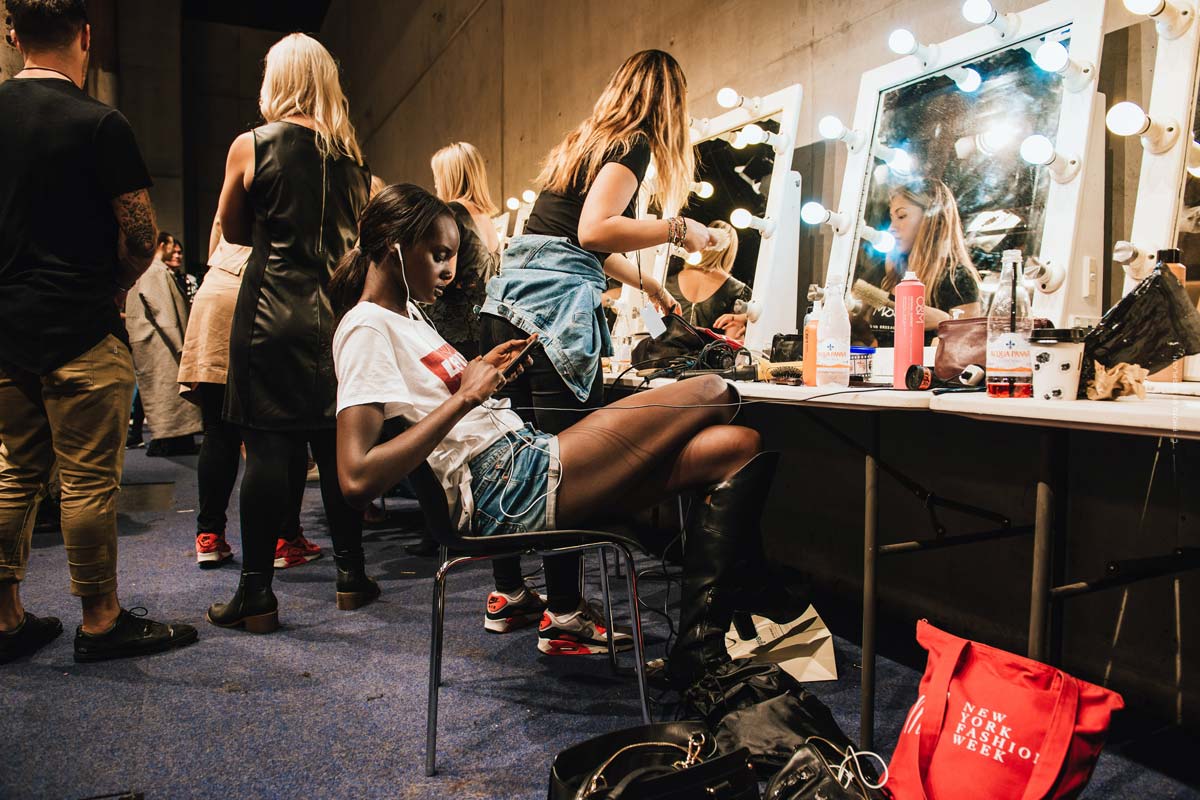
- Never eat in the dressing room
- No perfume before the shoot
- No bringing friends without prior arrangement
Especially important: the ability to quickly follow instructions. A photographer has an average of 4–6 hours of shooting time and no budget for long explanation sessions. Whoever understands immediately what is meant will be seen as professional — and booked again.
Casting and portfolio: Preparation is not an option
Anyone who shows up unprepared for a casting wastes everyone’s time — including their own. A well-prepared casting starts three days in advance, not on the morning of the appointment.
What a professional model portfolio contains
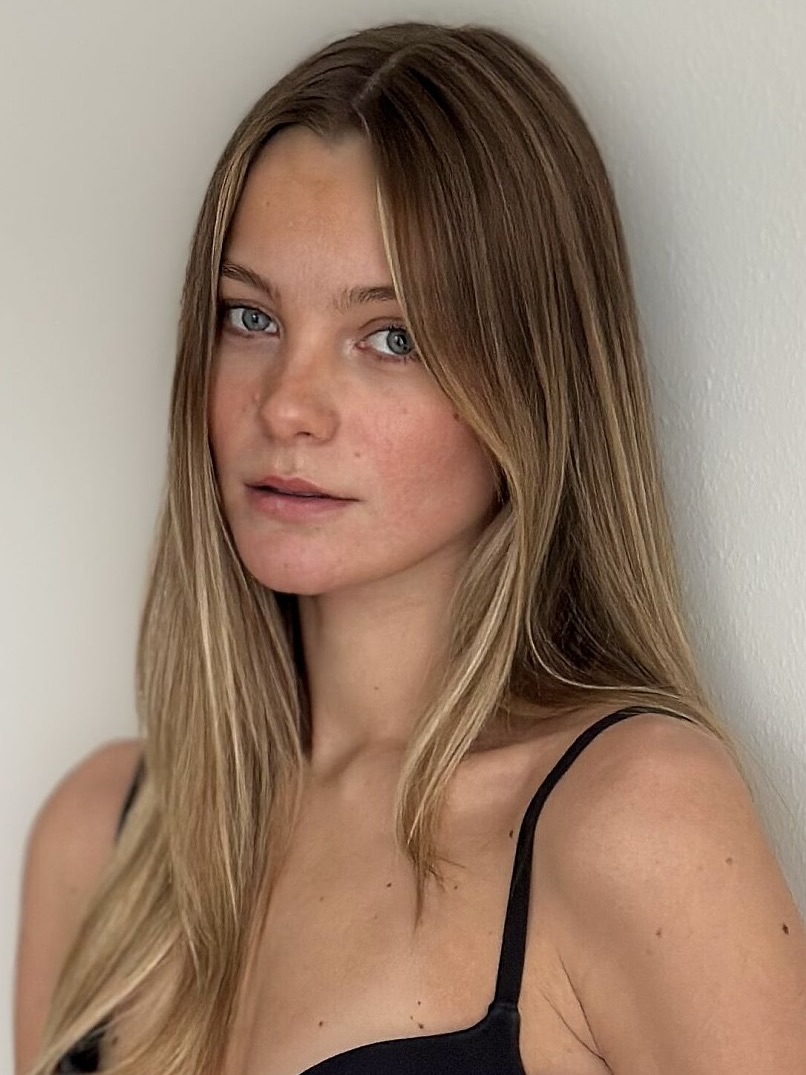
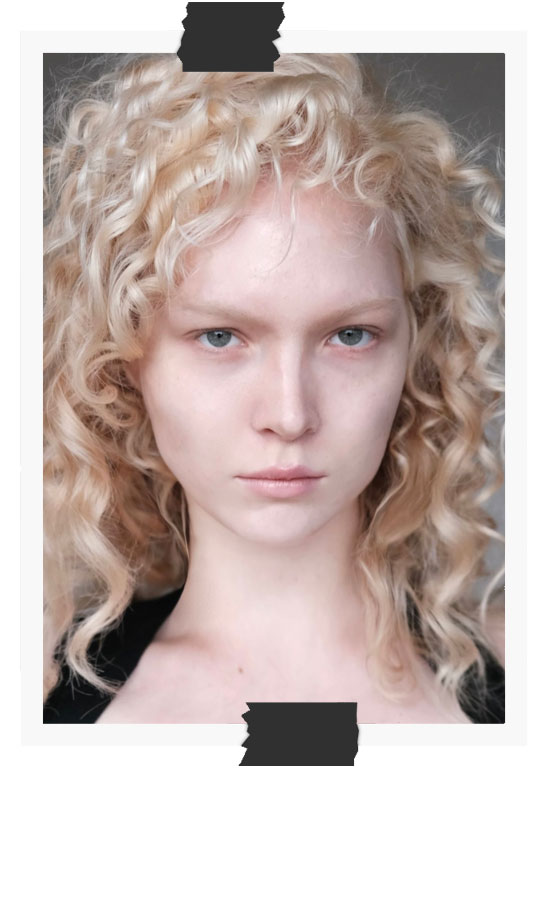
The model portfolio for the casting is your silent business card. It speaks before you open your mouth. Standard dimensions: DIN A4, maximum 20 pages, glossy paper. Contents: Polaroids or digitals (un-edited!), maximum 2–3 professional shots, current measurements.
- No make-up on Polaroids
- Hair loose or simply tied back
- Neutral, body-conscious clothing
- Always keep measurements up to date
The casting itself: Behavior as a competitive advantage
At the casting at CM Models — just like with every serious agency — not only the exterior is evaluated. Body language, reaction speed to direction instructions, and the ability to display different emotions within seconds are crucial. Practice beforehand: Happy, thoughtful, confident — each on command, not after warm-up time.
Overview: Characteristics of successful models at a glance
| Property | Why important | Trainable? |
|---|---|---|
| Punctuality | Costs 200–800 € per hour | Yes |
| Posing technique | Determines image quality directly | Yes |
| Stamina | Shooting days last 8–14 hours | Yes |
| Presence | The camera shows inner attitude | Limited |
| Adaptability | Each team works differently | Yes |
| Body measurements (Fashion) | Clothing sizes | Limited |
| Bodily awareness | Affects movement quality | Yes |
Agency and Career Strategy: Realism over Romance
Viele aspiring models dream of the big stages — the Big 4 Fashion Weeks, from Milan to New York. The reality: The way there goes through local jobs, solid references and an agency you can trust. A serious model agency doesn’t charge upfront fees — whoever should pay before earning, should be alert. Everything important about this is explained in the article does a model agency cost money.
Whoever wants to start locally can find good starting points through a model agency in Berlin or a model agency in Hamburg. Also modeling as a side job is a realistic start — and often the wiser choice, because it takes financial pressure off and builds experience at the same time.
For all who do not fit the classic runway measurements: The segment Curvy Model is growing continuously. Also modeling in larger sizes is no longer a niche topic — employers are actively looking for diversity, because their target groups are diverse.
Your personal model checklist
- ☐ Polaroids without make-up currently available
- ☐ Size chart up to date
- ☐ Posing practiced daily for 15 minutes
- ☐ Walking technique practiced or course booked
- ☐ Model portfolio compiled
- ☐ Agency checked for seriousness
- ☐ No advance fees accepted
- ☐ Application prepared and sent
- ☐ Social media profiles cleaned up
- ☐ Casting clothes (neutral, body-hugging) ready
Who can check off all the points is actually ready — not just felt. Now would be the right moment to apply directly: Apply now and take the first real step.
Frequently asked questions by aspiring models
How tall do I really need to be to land with an agency?
For classic high-fashion jobs, women must be at least 174 cm tall and men at least 185 cm. However, these numbers are not a natural law — there are agencies without strict minimum height requirements, especially in the fields of advertising, catalog, and lifestyle. Those who do not meet the classic measurements should actively look for segments where other standards apply. More on this in the article about minimum height requirements at modeling agencies.
How long does it take to get your first bookings?
Realistic expectation: 3–6 months after signing an agency contract until the first paid booking. Those who prepare well in parallel — portfolio, posing, behavior on set — can shorten this period. Those who passively wait will extend it. What models can earn is explained in the article about model salaries and fees.
Can I apply to an agency myself or do I need a recommendation?
Direct applications are the standard approach and are preferred by serious agencies. A recommendation is no advantage if the basic prerequisites are missing. How to properly write to an agency is shown in the guide to writing a cover letter for a model agency. Choose agencies that you have checked for seriousness — the overview of top model agencies offer a good starting point.
Social media is no substitute for an agency, but an additional application channel. Clients Google names — a chaotic or unprofessional profile can do harm, while a consistent, stylish profile helps. Rule of thumb: Delete everything you wouldn’t show to an art director. A profile with 500 high-quality images beats one with 5,000 unsorted posts every day.