





Fashion Brands Starting With P: Prada, Puma and Philipp Plein
“`html
Prada, Puma, Philipp Plein — three letters, three worlds, three billion-dollar empires. Anyone who wants to gain a foothold in the fashion industry can’t get around these names. Not because they’re loud, but because they define what professional modeling looks like today: which looks are in demand, which bodies walk the runway, which aesthetics agencies are looking for. Anyone who understands the DNA of these brands applies more strategically, positions themselves more cleverly — and wins castings that others lose.
Fashion Brands Starting With P: What Connects Them and What Sets Them Apart
At first glance, Prada, Puma, and Philipp Plein have nothing in common. And that’s exactly the point. The fashion world is not a monolithic block — it’s an ecosystem of contrasts. German fashion designers fight against this pigeonholing just as much as international houses do. Anyone who wants to understand why brands starting with the same letter operate in completely different universes learns something about positioning that no textbook teaches.
Prada: The Quiet Empire of Intellectual Fashion
Prada didn’t become great by being loud. The Milan-based house, founded as a leather goods shop, has developed over decades into the most intellectual force in the luxury segment. Miuccia Prada is known for deliberately using ugliness as a stylistic device — a strategy industry insiders call “ugly chic,” which has been copied to this day but never replicated.
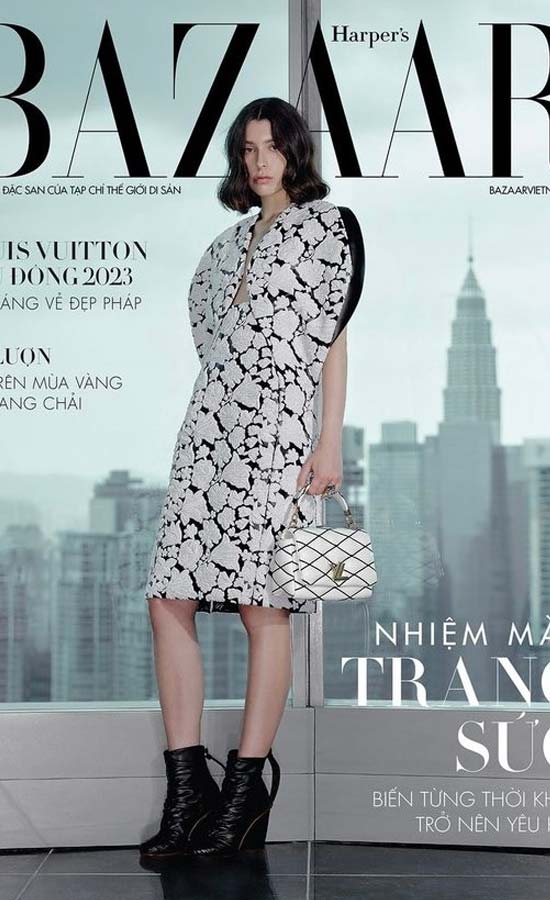
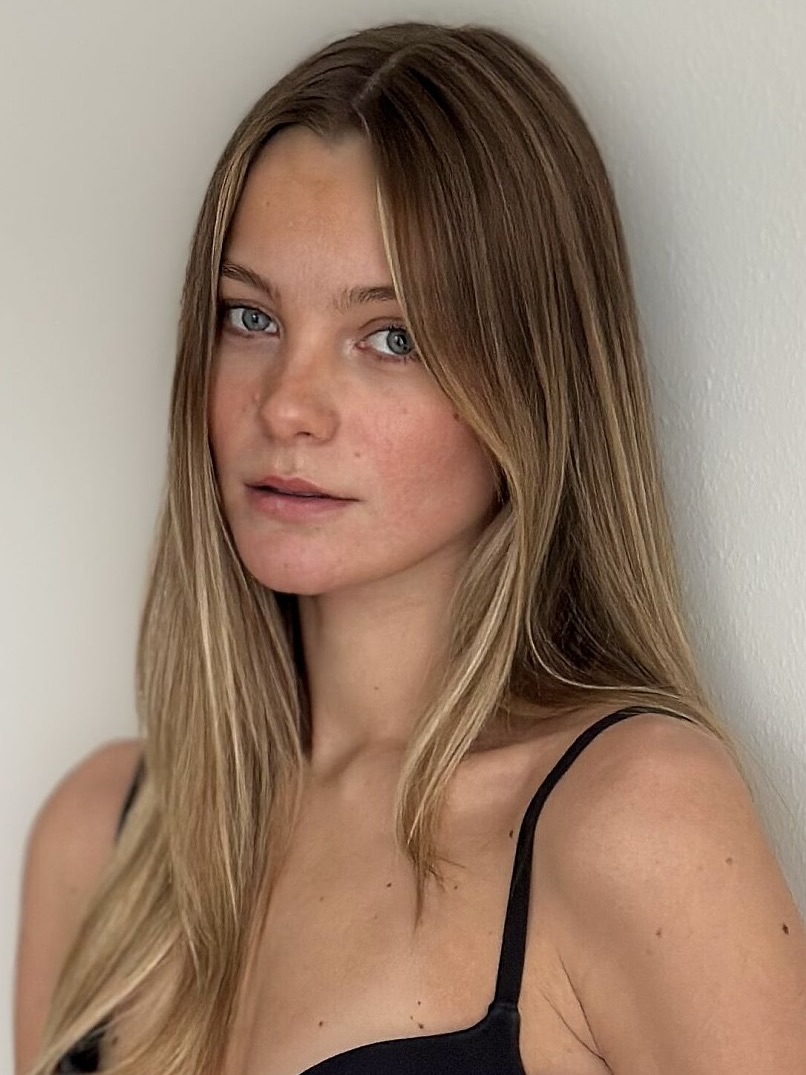
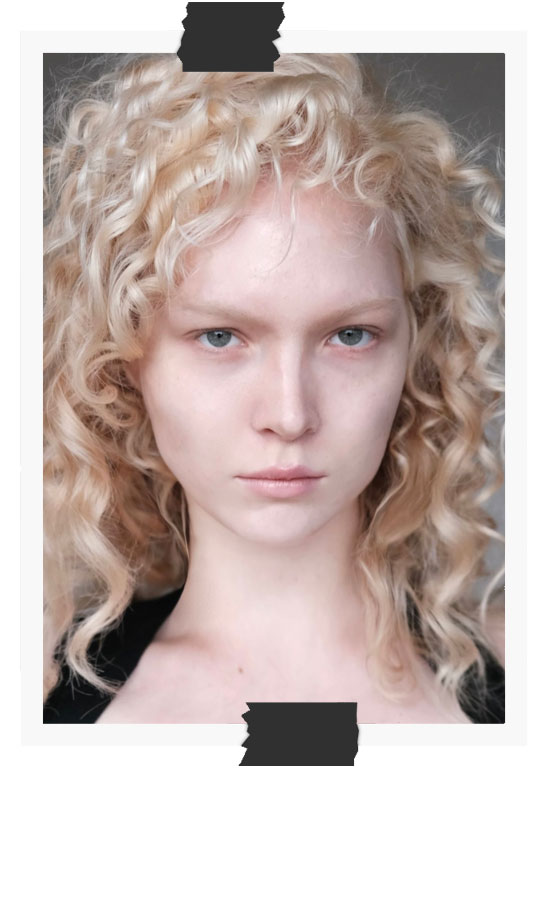
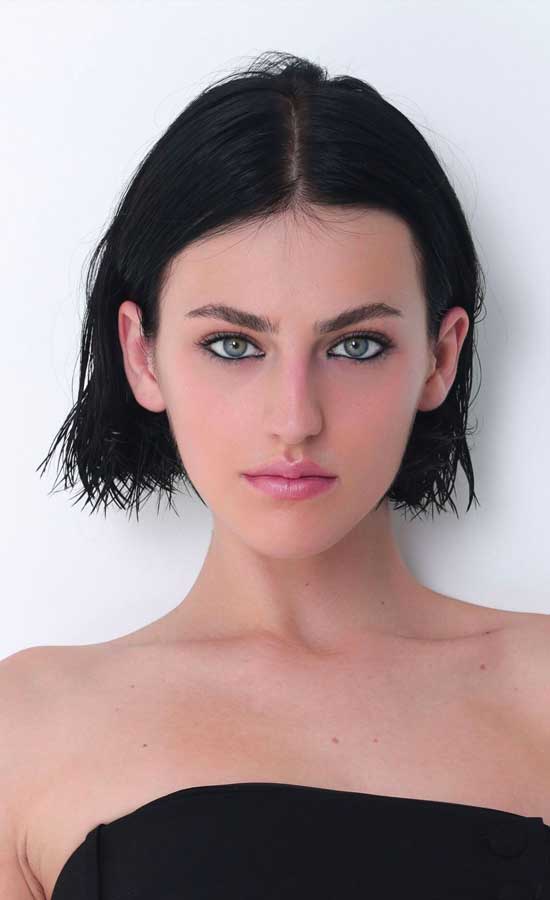
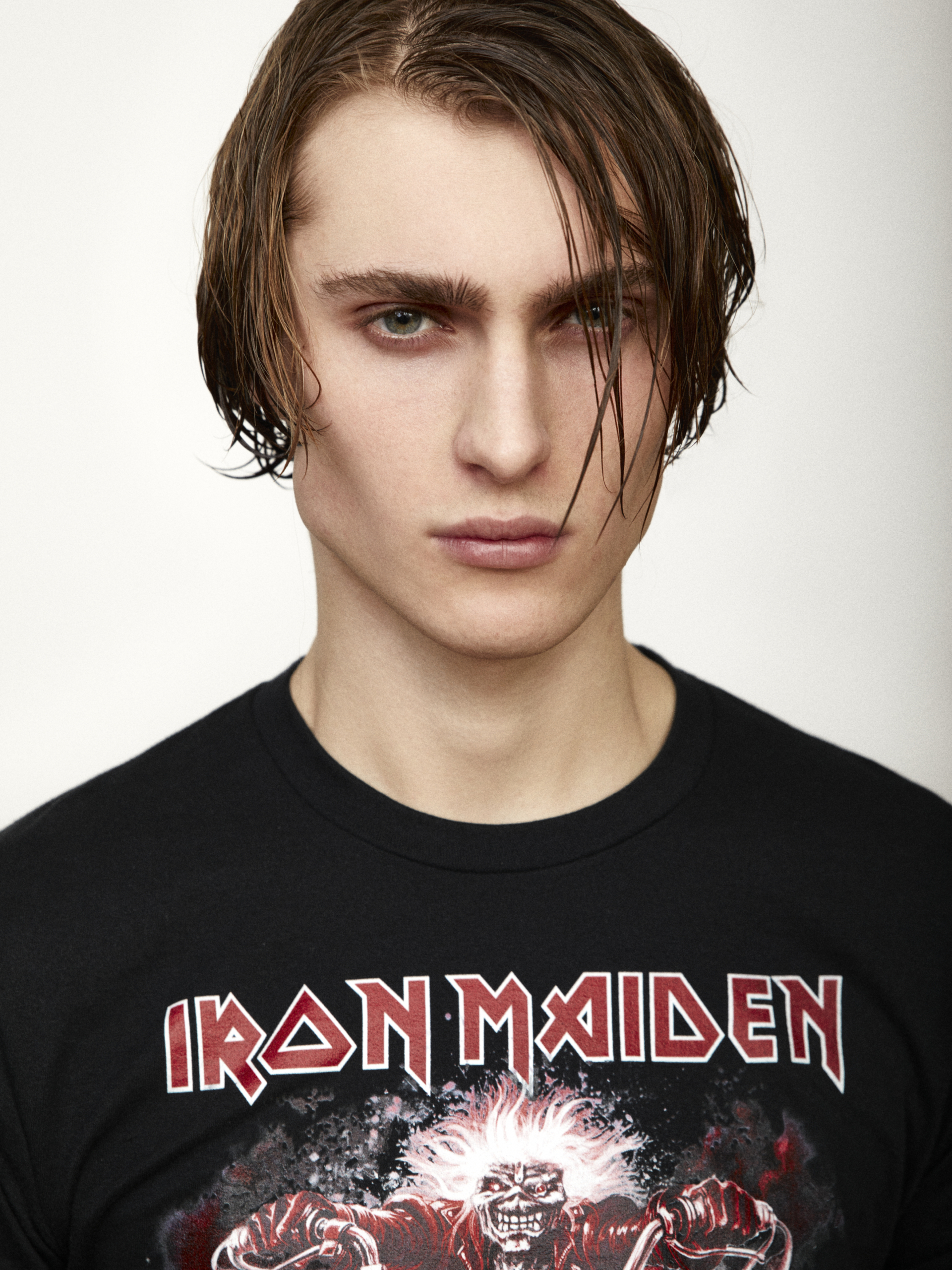
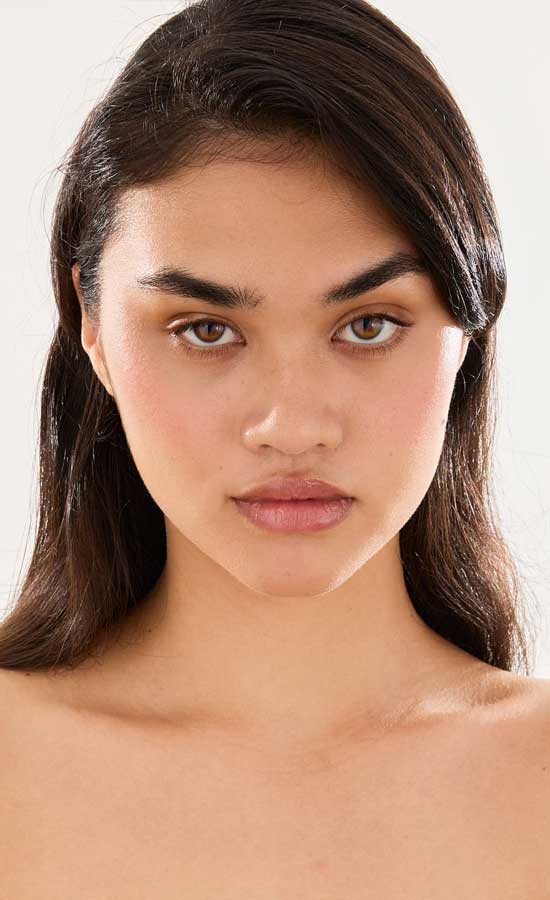
Models at Prada campaigns and shows need to bring a certain ambiguity: not a classic beauty ideal, but something curious, uncomfortably beautiful. Anyone following the Milan Fashion Week dates recognizes Prada instantly — not by the logo, but by the type of person on the runway. The agency isn’t looking for the perfect face, but the interesting face. That’s a distinction that makes or breaks careers.
Puma: Sportswear With Cultural Ambition
Puma is perhaps the most underrated fashion house in the German-speaking world. Founded in Herzogenaurach, the brand has consistently positioned itself toward fashion in recent years — through collaborations with Rihanna (Fenty), with designers from New York, and collections shown at New York Fashion Week. That’s not a coincidence, that’s strategy.
For aspiring models, this means: sportswear brands like Puma no longer need sports stars, but personalities with cultural relevance. Anyone applying to agencies in Berlin that handle sportswear brands should understand that the requirements differ fundamentally from classic runway jobs.
Philipp Plein: Maximalism as Brand Identity
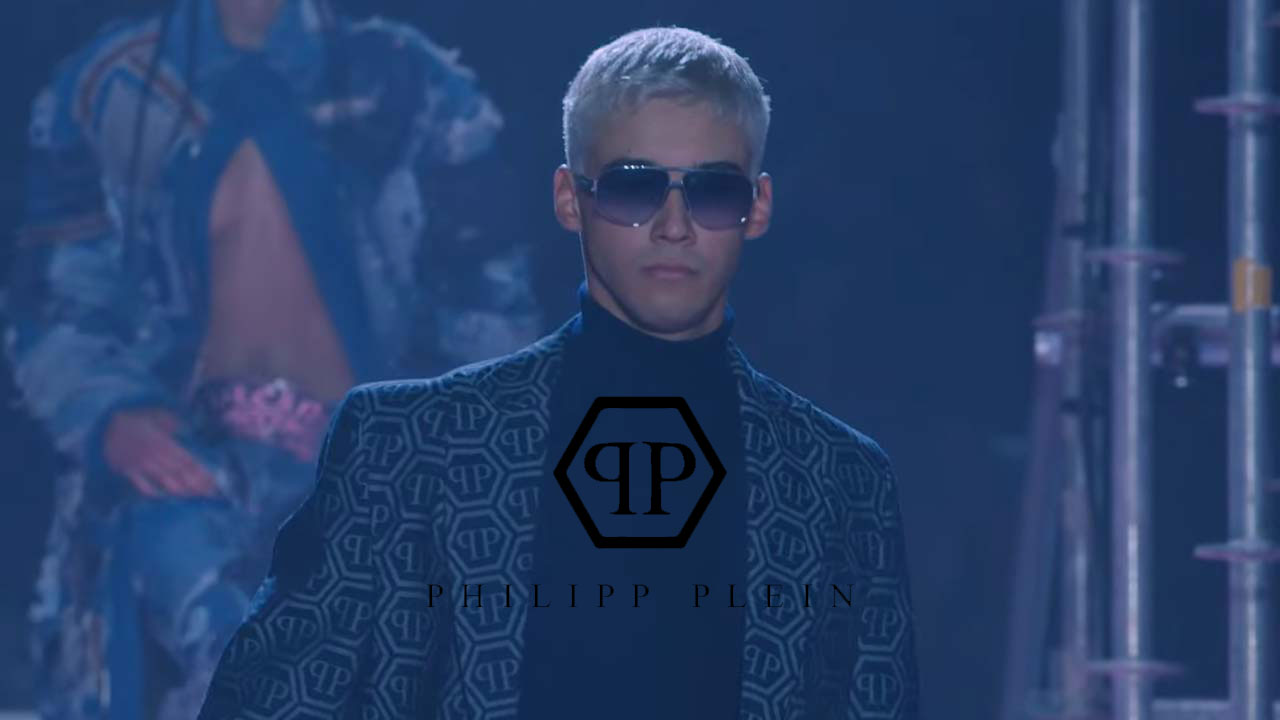
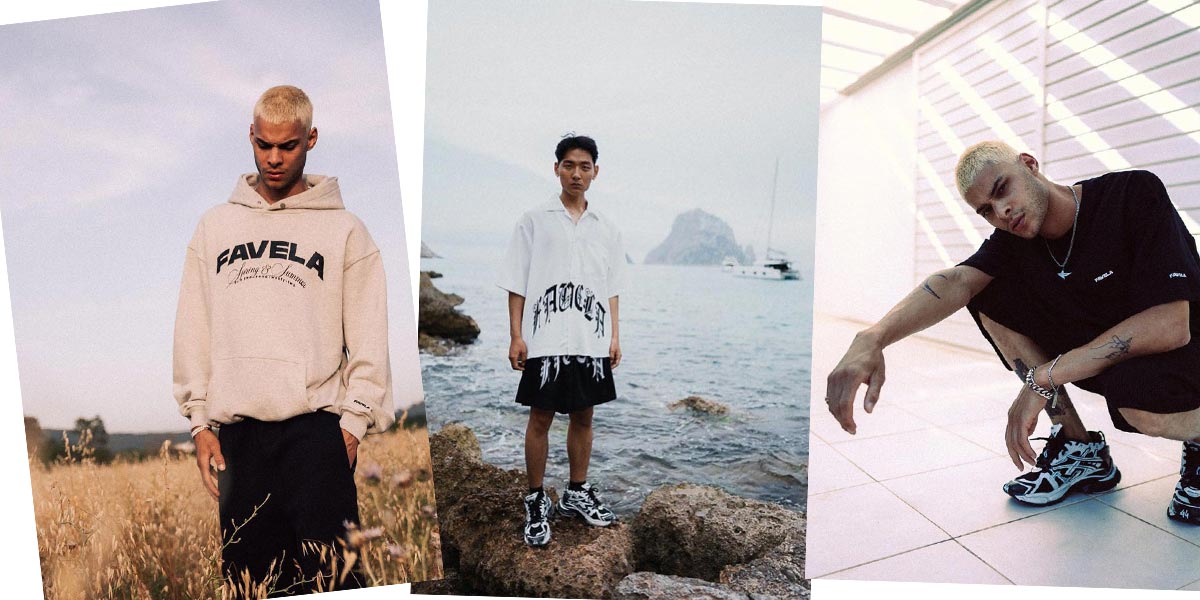
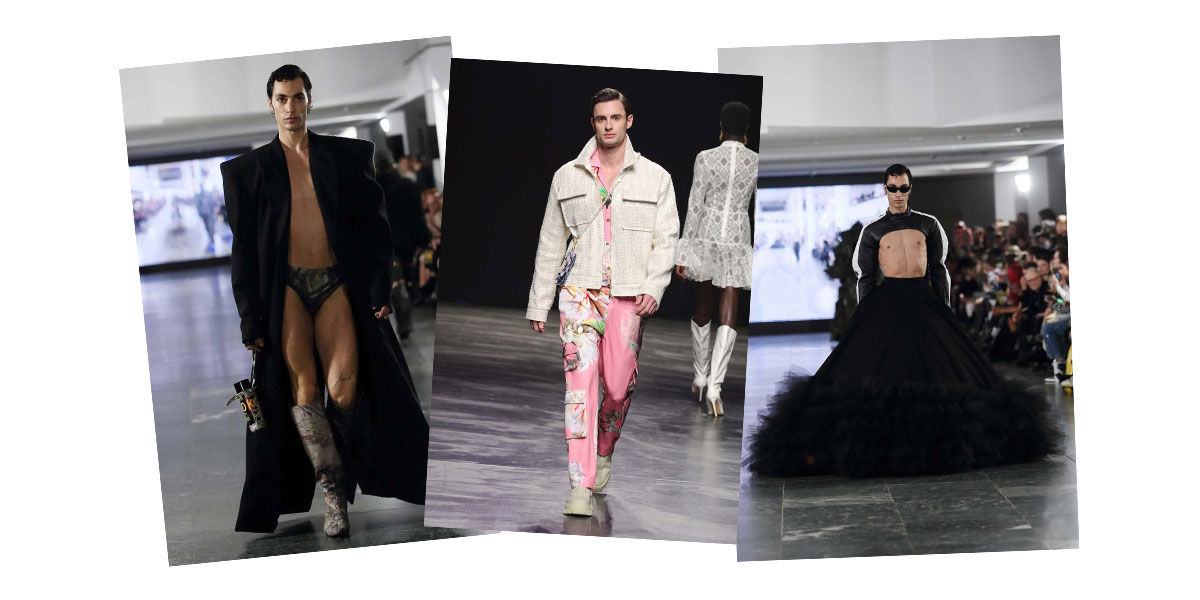
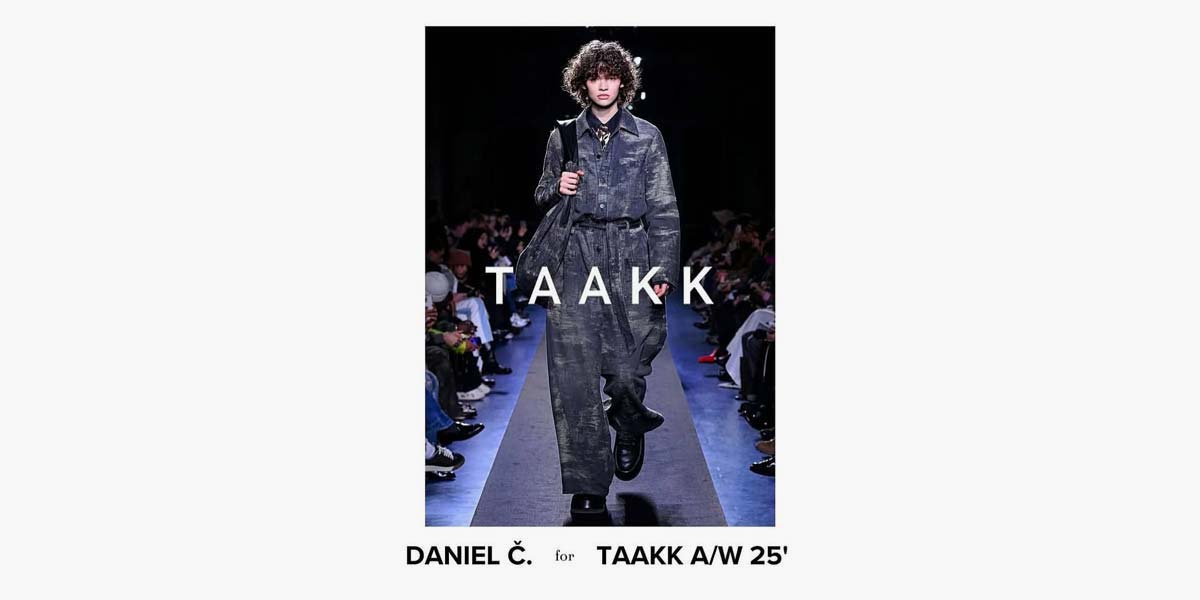
No one is as polarizing as Philipp Plein — and that’s no accident. The Munich-born designer has developed a system that turns criticism into clicks. His shows are events, not presentations. Models walking for Philipp Plein need to bring a certain energy: confident to the point of discomfort, physically present, theatrical without overdoing it.
Anyone with the Big 4 Fashion Weeks as a career goal needs to understand that Plein occupies his own niche — far from Prada, far from Puma. The runway energy is different; anyone looking for catwalk tips for Plein shows needs content about showmanship, not technically clean walking.
What Models Need to Know About These Brands
“A model who doesn’t know which brand they’re walking for and why is like an actor who knows their lines but not their role. Clients see that at first glance — and book someone else.” — Experienced booker, Munich model agency
Brand literacy isn’t an extra qualification — it’s a basic requirement. Anyone applying to a reputable model agency will be asked about brand affinity in castings. Preparing for the casting should therefore always include: which brands fit my aesthetic, which don’t — and why?
Brand Fit as a Casting Criterion
The three brands exemplify three archetypes that decide the outcome in castings:
- Prada: intellectual, ambivalent, anti-conventional
- Puma: energetic, culturally connected, accessible
- Philipp Plein: extroverted, maximal, provocative
Anyone putting together their model portfolio for castings should know these categories and curate their photos accordingly. A Prada look in a Philipp Plein portfolio isn’t a compliment — it’s a signal that the model has no self-awareness.
Brand Comparison: Prada, Puma and Philipp Plein at a Glance
| Criterion | Prada | Puma | Philipp Plein |
|---|---|---|---|
| Segment | Ultra-luxury | Premium sportswear | Luxury streetwear |
| Aesthetic | Intellectual, minimalist | Athletic, urban | Extravagant, maximal |
| Model type | Androgynous, unconventional | Diverse, energetic | Confident, body-conscious |
| Fashion Week presence | Milan (main stage) | New York, Milan | Milan, own events |
| Height & measurements | Classic high-fashion measurements | More flexible, athletic | Body-conscious, all proportions |
| For aspiring models | High bar, long road | Sports affinity helpful | Strong personality required |
How Fashion Brands Starting With P Shape Your Career Strategy
Analyzing brands isn’t an academic exercise. It’s the most direct way to understand what becoming a model actually requires — depending on the segment you’re aiming for. Anyone who wants to walk for Prada needs different measurements, a different presence, and a different path than someone aiming for Puma campaigns.
Body Measurements and Brand Requirements
The classic model measurements and requirements apply mainly to luxury runway brands like Prada. But the fashion industry has broadened: Puma works with athletes, curvy models, and character models. Anyone who believes they have no chance without classic high-fashion measurements should look at the casting calls from sportswear brands in recent years — the reality is different.
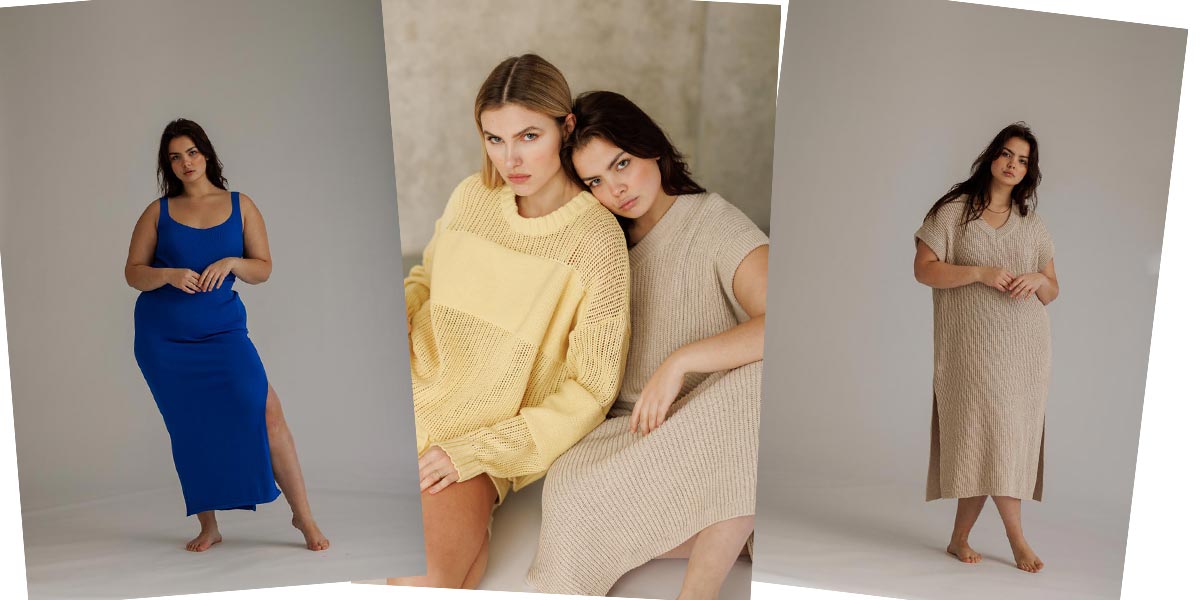
For anyone who doesn’t want or isn’t able to take the classic runway path: becoming a plus-size model is now its own segment with its own brands, its own agencies, and its own career paths. Philipp Plein recognized this earlier than many other houses.
International Markets and Locations
Brands like Prada, Puma, and Philipp Plein are global — and so are their casting networks. Anyone seriously pursuing this direction needs to ask whether a local agency in Hamburg or a specialized agency in Frankfurt is the right starting point, or whether the direct route via London or New York gets you there faster. Prada bookings rarely originate in the provinces — but that’s where they begin.
Checklist: Am I Ready for High-Fashion Brands?
- ☐ I know my measurements exactly and they’re up to date
- ☐ I’ve put together my model portfolio professionally
- ☐ I know which brand type suits me
- ☐ I’ve completed runway training
- ☐ I have a reputable agency with no upfront fees
- ☐ I know the relevant Fashion Week dates
- ☐ I’ve studied brand DNA
- ☐ I’ve prepared my casting appointment
Anyone who honestly goes through this list knows where they stand — and what comes next. The steps to becoming a model aren’t a secret, but they require a strategy based on real industry knowledge, not Instagram myths.
Frequently Asked Questions About Fashion Brands Starting With P
Which Models Does Prada Work With — And What Chances Do Beginners Have?
Prada books almost exclusively through established top agencies in Milan, Paris, and New York. Beginners have no direct chance — the path necessarily leads through a top model agency, several years of experience, and a strong editorial portfolio. Anyone dreaming of it starts with regional castings and builds up systematically.
Is Puma a Real Fashion Brand or Just Sportswear?
Puma is both — and that’s its strength. The brand has pursued a consistent fashion strategy for years, with its own runway shows and designer collaborations. For models, this means: the path to Puma can run through a sports background, but also through classic fashion casting. What matters is cultural energy, not the résumé.
What Do I Earn as a Model for a Philipp Plein Campaign?
Philipp Plein pays at luxury-segment levels — specific figures vary widely depending on recognition, exclusivity clauses, and usage rights. As a guide: established models on international campaigns reach fees in the five-figure range per day. Anyone who wants to know more about model salaries should look for transparent agencies without fees that communicate rates openly.
Do I Have to Live in a Big City to Work for P-Brands?
No — but the odds increase significantly. Anyone doing modeling part-time can start from anywhere. But castings for international brands mostly happen in fashion capitals. Anyone who wants to become relevant to brands like Prada or Philipp Plein in the long term should consider registering with an agency in a fashion capital — or at least be willing to travel. Now is the best time to apply directly and take the first step.
“`
Philipp Plein — Luxury Between Provocation and Glamour
Philipp Plein was born in 1978 in Düsseldorf and is today one of the best-known German fashion designers on the international stage. His headquarters have long since moved to Monaco. Plein originally started with furniture and dog accessories before founding his first fashion brand in 2004. Since then, he has built an empire of provocation, rhinestones, and muscular aesthetics.
What sets Philipp Plein apart from other luxury brands is deliberate excess: skull motifs, lavish crystal embellishments, XL logos, and fur accents aren’t the exception, they’re the program. This attitude has earned him a loyal following looking for exactly that: fashion as an unrestrained status statement.
Buying Philipp Plein — Locations and Online
In Germany, there are flagship stores in Munich (Maximilianstraße) and Düsseldorf (Königsallee). Internationally, the brand is present in Paris, Milan, New York, and Dubai. Selected pieces are available via luxury multi-brand platforms like Mytheresa or Farfetch.
Plein Sport vs. Premium Line
The brand is split into two main lines: The Philipp Plein Premium Line includes near-haute-couture looks, elaborately embroidered leather, and high-end accessories. Plein Sport addresses a younger, more sports-affine audience. Pricing: T-shirts from around 200 euros, leather jackets between 1,500 and 5,000 euros.
Campaigns and Model Aesthetics
Philipp Plein’s campaigns rely on a clearly defined image: muscular male models, glamorous women, often paired with luxury goods like sports cars or yachts. The casting reflects the brand values: extroverted, body-conscious, designed for visual impact.
Polo Ralph Lauren — American Heritage in Europe
Ralph Lauren founded his brand in 1967 in New York. In Europe, Polo Ralph Lauren has been firmly established for decades. The Purple Label stands for handcrafted suits at the highest level. Polo Ralph Lauren (the classic core) includes chinos, oxfords, knit sweaters, and the iconic polo shirt — price range between 80 and 400 euros.
Paul Smith — British Eccentric With Signatures
Paul Smith opened his first shop in Nottingham in 1970. Today the brand is a globally known label that combines British tailoring craft with subtle humor. The most recognizable feature: the Signature Stripes — a narrow multicolor stripe pattern on cuffs, linings, or accessories. Pricing: shirts from 150 euros, suit pieces between 400 and 900 euros.
Pepe Jeans — Denim From London
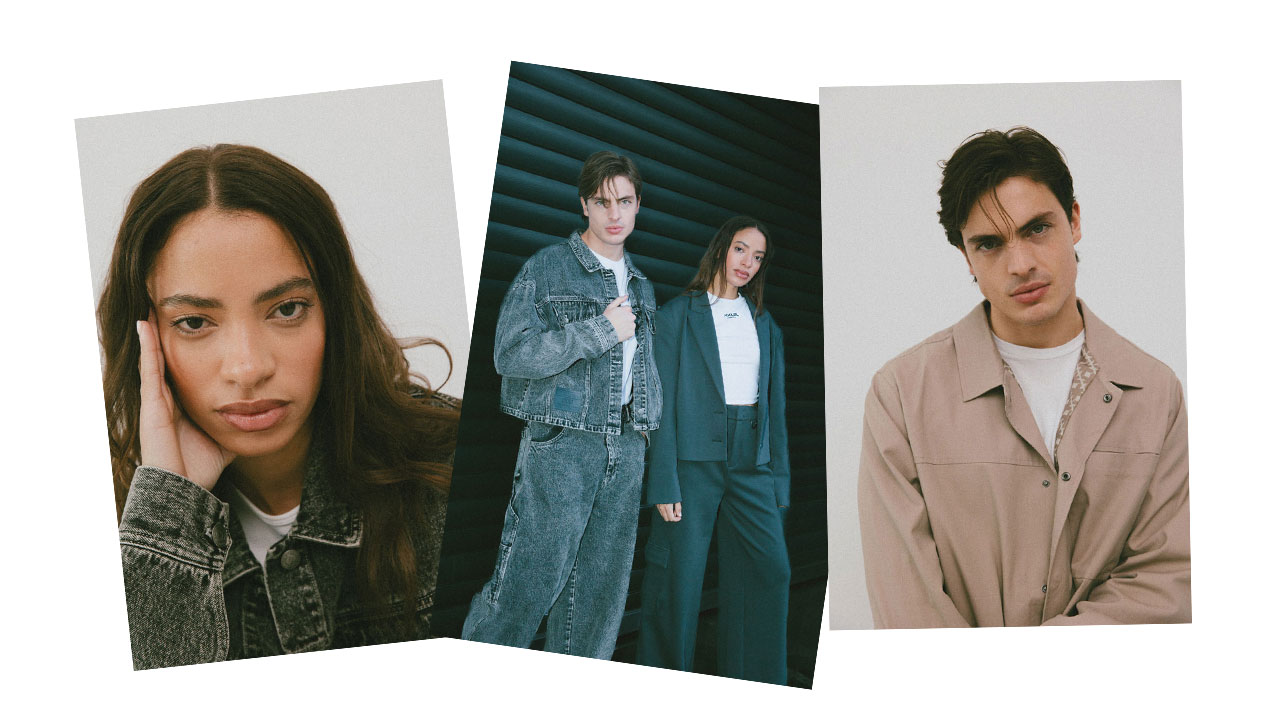
Pepe Jeans was founded in 1973 at Portobello Road Market in London and grew into one of the best-known European denim brands. The campaigns feature young, naturally-styled models — casual and authentic rather than glossy. Pricing: jeans between 70 and 130 euros.
Models and P-Brands: What Clients Look For
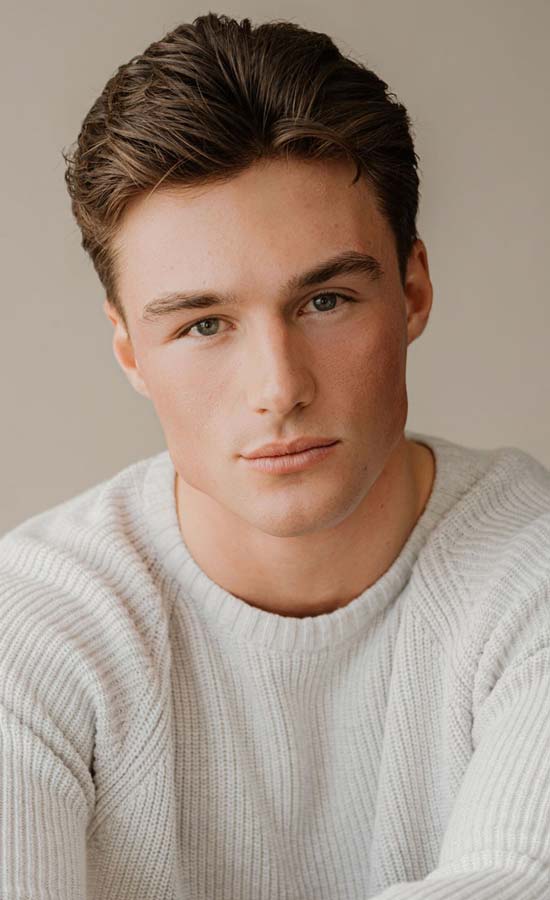
Philipp Plein prefers edgy, body-conscious types: athletic men, glamorous women, strong looks.
Polo Ralph Lauren goes for classic preppy: groomed appearance, natural charisma, sporty-elegant type.
Paul Smith looks for the quirky editorial type — models with a distinctive face for magazine shoots.
Pepe Jeans prefers approachable, youthful types with street credibility.